Bug Farm Waste Cuts Crop Damage by 45% in Arkansas Study
Scientists discovered that waste from insect farms protects soybean plants from pests better than traditional fertilizers. This breakthrough could transform millions of tons of bug farming byproduct into a powerful soil booster.
Scientists at the University of Arkansas just solved two problems at once: what to do with mountains of insect farm waste and how to protect crops from hungry pests naturally.
As insect farming explodes to feed chickens, fish, and even humans, researchers discovered that "frass" (insect poop, shed skin, and leftover food) does something remarkable when added to soil. It cut leaf damage from crop-eating insects by up to 45% compared to fields without it.
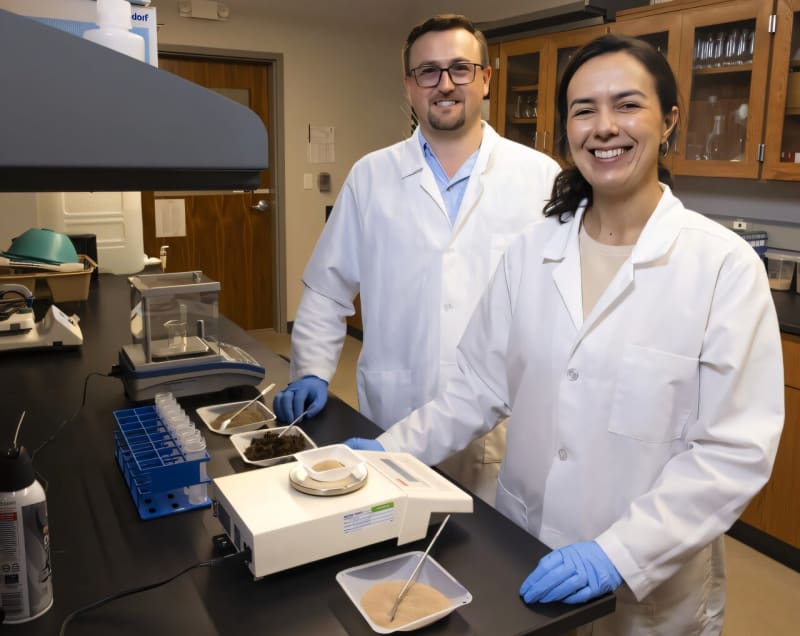
Helen Amorim, the lead scientist, found the results surprising. Frass worked as well as chicken manure for growing soybeans and switchgrass, even when farmers used less of it.
But here's where it gets interesting. Frass seems to have a secret ingredient that chicken manure doesn't. Amorim suspects beneficial microbes living in the bug waste are teaching plants to defend themselves against pests.
The research came from a partnership between the USDA and Ty-Pro, a joint venture between Tyson Foods and Protix. They're tackling a growing challenge: for every pound of insect meal produced, farms generate up to four pounds of frass.
The team tested frass against traditional poultry litter in both irrigated and rain-fed fields. They used different amounts to see what worked best. The low frass rate delivered two to four times better nutrient efficiency than either the high rate or chicken manure while producing similar crop yields.
Black soldier fly larvae were raised in Springdale, Arkansas, and their frass got heat-treated to eliminate pathogens before field testing. The results, published in the Journal of Environmental Quality, mark the first time scientists demonstrated frass's pest-protection powers under real farm conditions.
The Ripple Effect
This discovery arrives at a perfect moment. Insect farming is booming as the world searches for sustainable protein sources and ways to reduce food waste. Now that waste itself becomes valuable.
Farmers could use less fertilizer while getting better pest protection naturally. The research team is already planning their next study to identify exactly which microbes give frass its protective powers.
Europe and North America are developing regulations to classify insect frass as a soil amendment rather than fertilizer. Unlike fertilizers that feed plants directly, amendments improve soil structure, boost beneficial microbes, and strengthen root systems.
The findings suggest a future where waste from feeding insects becomes the key to healthier, more resilient crops.
More Images



Based on reporting by Phys.org
This story was written by BrightWire based on verified news reports.
Spread the positivity!
Share this good news with someone who needs it