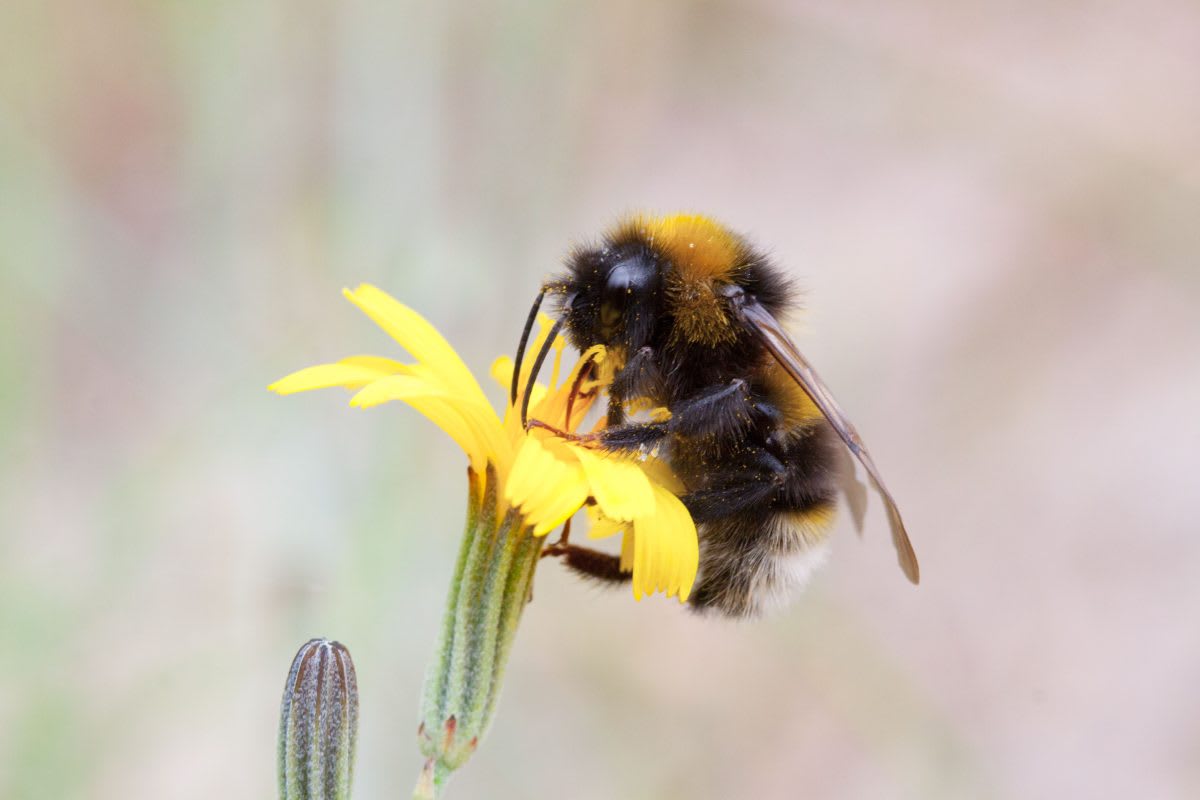
Bumblebees Solve Puzzles Like Chimps With Sesame-Sized Brains
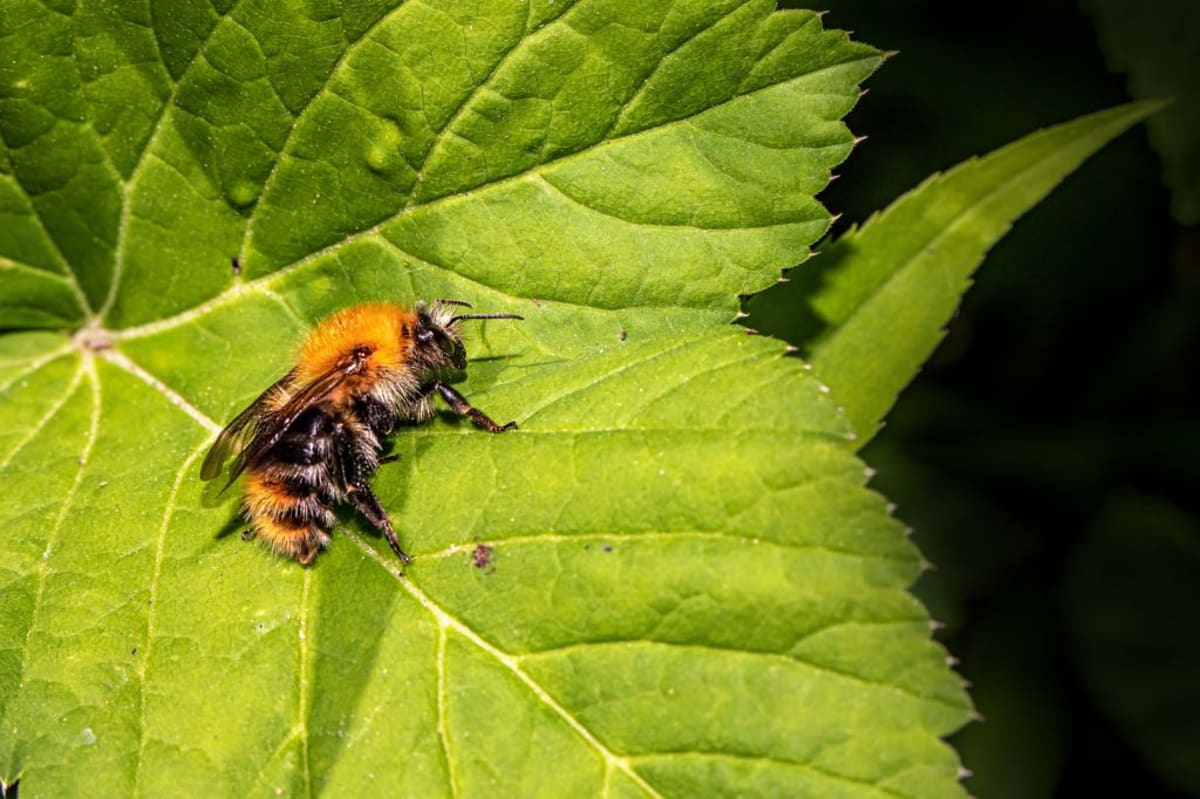
Scientists discovered bumblebees can spontaneously solve complex problems despite having brains the size of a sesame seed. The tiny insects tackled multi-step puzzles with an 80% success rate, showing cognitive abilities once thought exclusive to big-brained mammals.
Researchers tried to stump bumblebees with tricky puzzles, but the tiny insects outsmarted everyone's expectations in the most delightful way possible.
A new study published in Science reveals that bumblebees can spontaneously solve problems on the fly, a cognitive skill previously only observed in big-brained animals like chimpanzees, elephants, and birds. This groundbreaking discovery shows that insects may be far more intelligent than we ever imagined.
Scientists at the University of Oulu created a miniature obstacle course to test the bees' brainpower. They taught the insects that foam balls could be moved and that blue rings represented flowers with sweet rewards.
Then came the real challenge. Researchers placed the bees in a small plexiglass container with balls scattered inside and blue rings printed on the ceiling just out of reach.
The bees figured it out fast. Since the space was too small for flying, they quickly learned to roll the foam balls to reach their sugary prize, showing immediate problem-solving skills without any prior training.
"What makes this behavior especially remarkable is that the bees had never been trained to roll the ball," said lead study author Akshaye Bhambore. "This was a completely new challenge."
Almost 75 percent of the bees successfully completed the initial puzzles. To confirm this wasn't beginner's luck, scientists created an even harder multi-step challenge where bees had to locate a hidden flower, navigate a ball around barriers, and squeeze it through a small opening.
This time, 80 percent succeeded. Study author Olli Loukola told ScienceNews that spontaneous problem-solving "is something that has never been shown in any invertebrate before."
The best part? Research from 2022 suggests bumblebees might actually enjoy rolling balls as a form of play. Some bees continued rolling balls even when no reward was offered, showing genuine curiosity and playfulness.
Why This Inspires
These tiny creatures are teaching us to reconsider what we think we know about intelligence. Bees make up just a fraction of the insect world, which represents about 80 percent of all species on Earth.
Their problem-solving abilities could help them adapt to changing environments and access food sources in new ways. That's crucial news since up to 95 percent of flowering plants depend on bees for survival.
While scientists say this doesn't mean bees think exactly like humans, it proves we have a lot more to learn about the remarkable creatures sharing our planet. Sometimes the biggest discoveries come in the smallest packages.
More Images


Based on reporting by Upworthy
This story was written by BrightWire based on verified news reports.
Spread the positivity!
Share this good news with someone who needs it