Scientists Crack the Code Behind Chicken Color Variety
Researchers have solved a 10,000-year mystery of why chickens come in dozens of colors while their wild ancestors wear just one basic look. The secret lies in a single gene doing something extraordinary.
One gene is doing the work of dozens, and it just explained why your neighbor's chickens look nothing like the wild birds they came from.
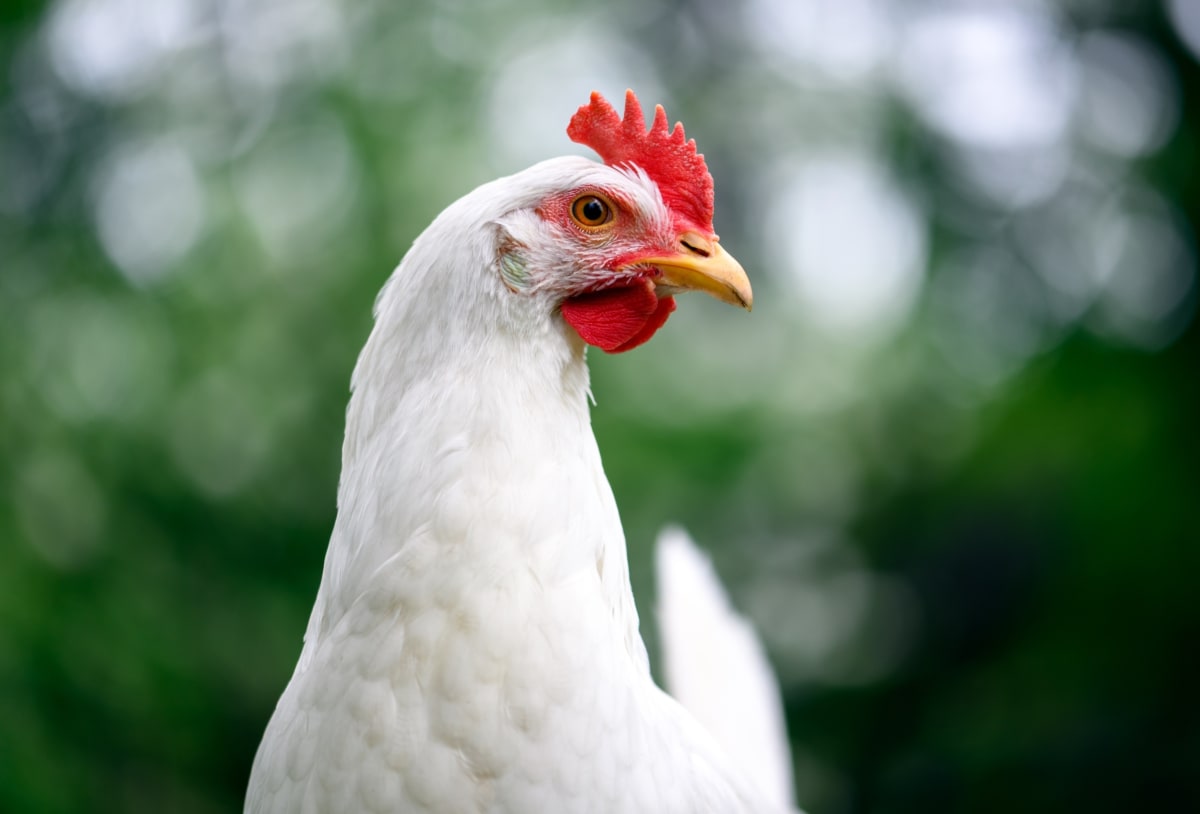
Scientists at Texas A&M University have discovered why domestic chickens exploded into a rainbow of colors in just 10,000 years. Their wild ancestor, the red junglefowl of Southeast Asia, sports one standard look. But barnyard chickens strut around in black, white, speckled, barred, and countless combinations between.
The team studied DNA from over 10,000 birds, including wild junglefowl and chickens from 393 different breeds. They zeroed in on a gene called MC1R, which acts like a switch inside pigment cells. Turn it up and feathers grow black or brown. Dial it down and the same cells produce red or yellow instead.
Here's where it gets clever. The researchers found just nine common mutations in this gene, but those nine changes created 18 different versions. Dr. Leif Andersson, who led the study, explains it like this: "One can say the result of these recombinations is that one plus one equals four rather than just two."
The gene pulls off this multiplication trick through a process called gene conversion. Short stretches of DNA get copied and shuffled between different versions, mixing mutations that started separately into brand new combinations. A few changes suddenly fan out into far more arrangements than the raw numbers suggest.
The team rebuilt each gene variant in the lab to watch how it changed color. Some mutations jammed the receptor on permanently, creating the darkest birds. Others softened the signal, producing lighter browns and wheaten shades. One common version stacked three changes together, blending all their effects into a single new color.
The Bright Side
This discovery reaches beyond chicken coops. The same MC1R gene tunes coat color in dogs, pigs, and mice. It even helps determine human hair and skin tone. Understanding how one gene creates so much variety in chickens opens doors to understanding color variation across the animal kingdom.
For chicken breeders, the genetics offer a practical tool to maintain consistent colors across generations without guesswork. For scientists, it reveals that evolution doesn't always crawl. Sometimes it sprints, packing thousands of years of change into what Andersson calls "a relatively short time."
The findings appear in the Proceedings of the National Academy of Sciences, turning backyard birds into unexpected teachers about how life creates variety from simplicity.
Based on reporting by Google News - Scientists Discover
This story was written by BrightWire based on verified news reports.
Spread the positivity!
Share this good news with someone who needs it