Caterpillars Hear Without Ears, Inspiring Better Hearing Aids
Scientists discovered that tobacco hornworm caterpillars can hear approaching predators using tiny hairs on their bodies instead of ears. This natural technology could lead to cheaper, more effective hearing aids for millions of people.
A caterpillar munching on leaves suddenly freezes as a wasp approaches from behind. The remarkable part? The caterpillar has no ears, yet it heard danger coming.
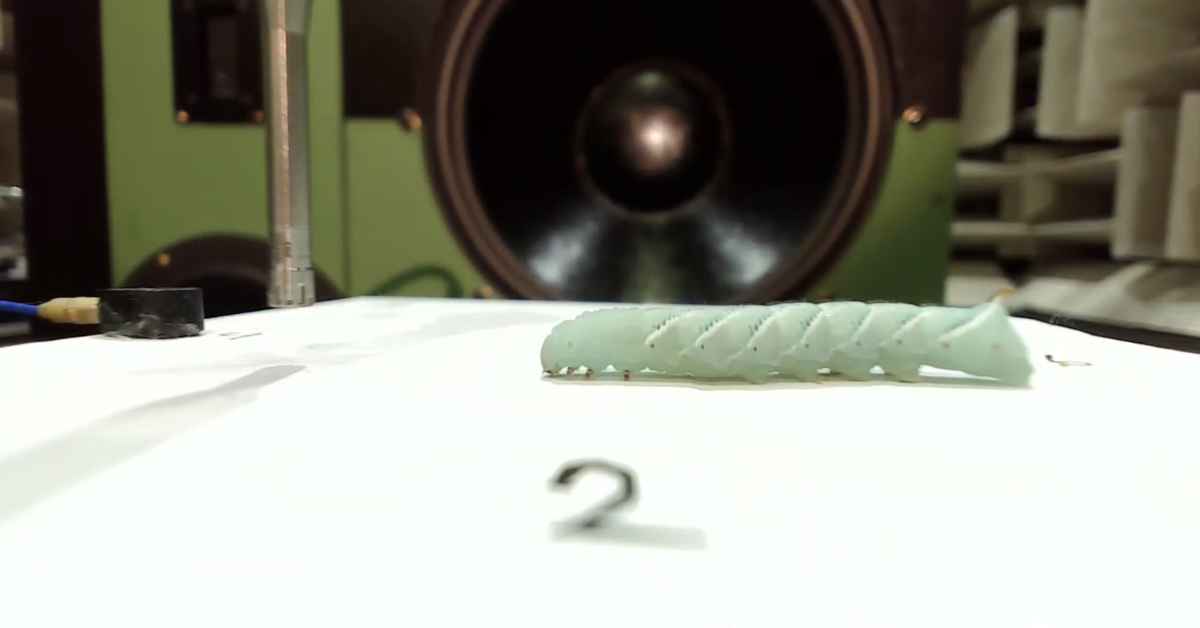
Scientists at Binghamton University spent a year studying tobacco hornworm caterpillars in one of the world's quietest rooms to solve this mystery. What they found could transform hearing aid technology for humans.
The research team worked inside an anechoic chamber, a room so silent it blocks all outside sound. They placed caterpillars on a platform and sent different vibrations and sounds toward them, carefully measuring every tiny movement.
The caterpillars responded to airborne sounds even when the vibrations were too weak to trigger a reaction. This meant they were truly hearing, not just feeling vibrations through their bodies.
But how? Under microscopes, researchers spotted the answer: specialized hairs covering the caterpillars' bodies.
The team carefully removed these hairs, some by plucking them all and others by targeting specific ones. The results were striking: caterpillars with removed hairs showed dramatically reduced reactions to sounds at various frequencies.
Each hair appears tuned to detect different sound frequencies, creating a sophisticated hearing system without traditional ears. The caterpillars hear by detecting the velocity of air particles moving in sound waves, not just sound pressure like mammals do.
Why This Inspires
This discovery opens doors to microphone technology that works like caterpillar hairs instead of traditional membranes. These bio-inspired microphones could detect both sound pressure and the direction sound is coming from.
For hearing aid users, this could mean devices that not only amplify sound but also help identify where sounds originate. That's a game changer for navigating conversations in crowded rooms or crossing busy streets safely.
The research continues as scientists map which hairs detect which frequencies. By learning from nature's 300 million years of perfecting insect hearing, engineers can create cheaper, more effective acoustic tools.
Sometimes the smallest creatures teach us the biggest lessons about solving human challenges.
More Images



Based on reporting by Good Good Good
This story was written by BrightWire based on verified news reports.
Spread the positivity!
Share this good news with someone who needs it


%2Fhttps%3A%2F%2Fi.s3.glbimg.com%2Fv1%2FAUTH_63b422c2caee4269b8b34177e8876b93%2Finternal_photos%2Fbs%2F2026%2Fn%2FY%2FBxIZD7SSaMu4091ohbfg%2F090-cargill-laboratoriomairinque-fotodivulgacao.jpg)