Search

Find uplifting stories about heroes, innovations, and solutions

32 results for "biomimicry"

Tiny Shrimp Unlock Secret to Medical Robots in Your Body
Health & Wellness•17h ago

Tiny Shrimp Unlock Secret to Medical Robots in Your Body

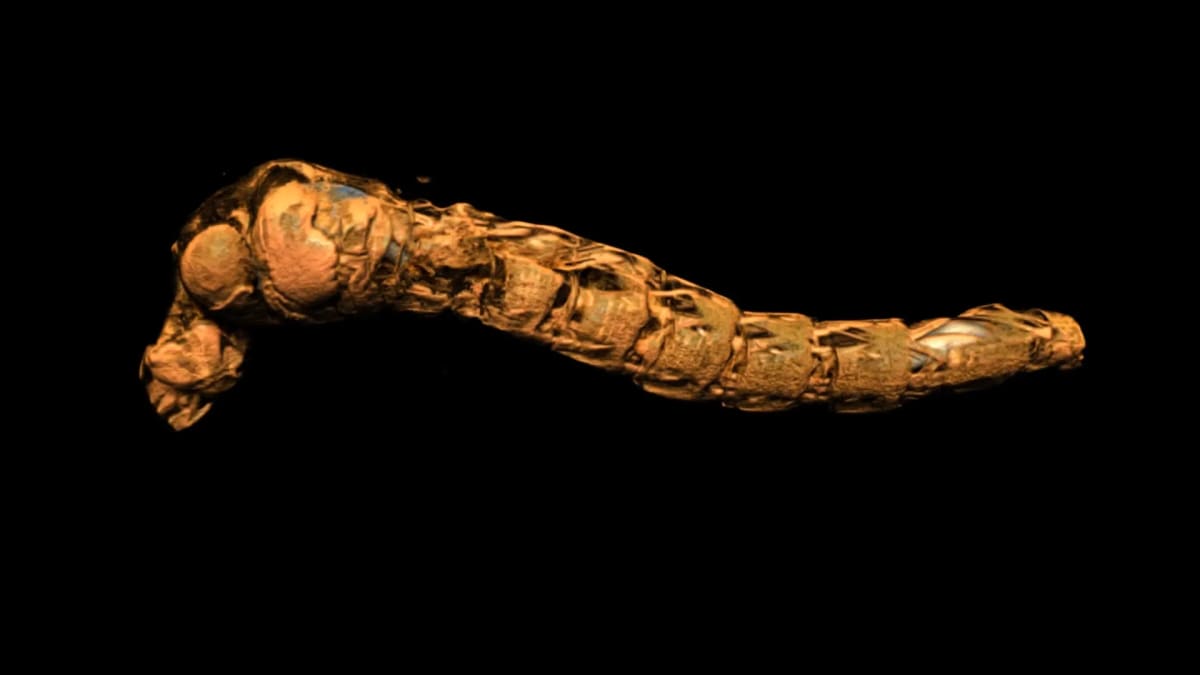
Scientists discovered how small creatures swim efficiently in a "mesoscale" realm of physics, revealing the secret to building tiny robots that could deliver drugs directly to tumors. The breakthrough could transform medical treatment without harming the whole body.

Phys.org•3 min read
Scientists 3D Print Robot Hand With Artificial Muscles
Innovation•2d ago

Scientists 3D Print Robot Hand With Artificial Muscles

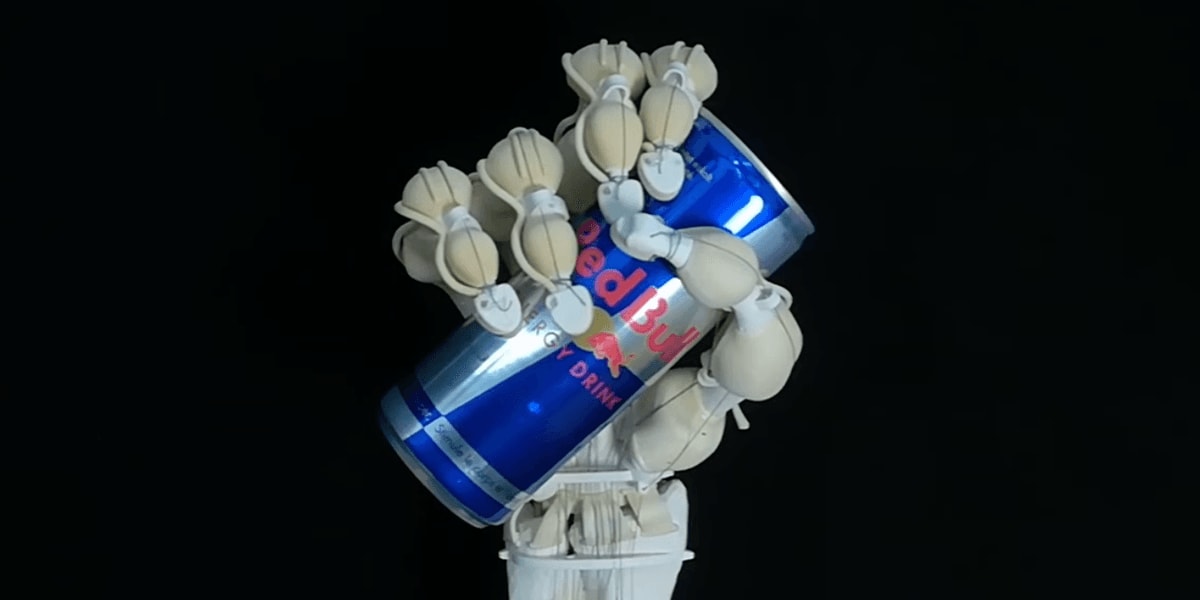
Researchers at ETH Zurich just 3D printed an entire robot hand in a single process, complete with bones, joints, tendons, and touch sensors that mimic human anatomy. This breakthrough brings us closer to creating robots that move and feel like living creatures.

IEEE Spectrum•2 min read
Scientists Create Eye That Adapts to Light Like Animals Do
Innovation•2d ago

Scientists Create Eye That Adapts to Light Like Animals Do

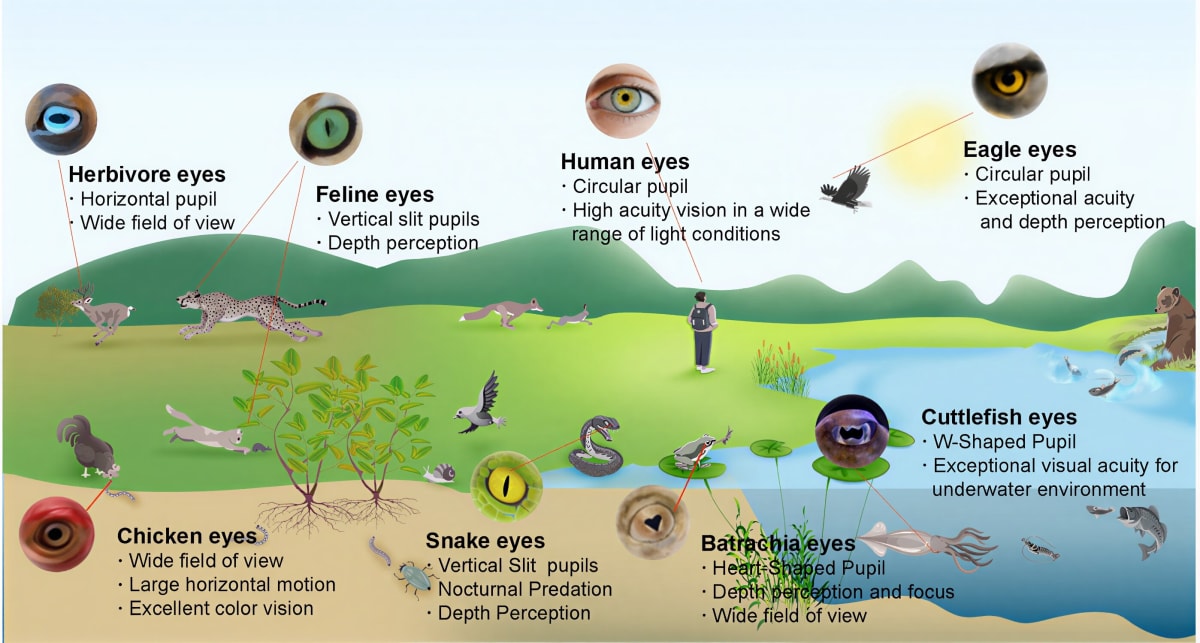
Researchers built an artificial eye with a liquid-metal pupil that automatically adjusts to bright and dim light, just like human and animal eyes do. The breakthrough could make self-driving cars, robots, and security systems work better in changing light conditions.

Phys.org - Technology•3 min read
Scientists Create Battery 'Skin' That Sweats to Stay Cool
Innovation•3d ago

Scientists Create Battery 'Skin' That Sweats to Stay Cool

Researchers in Hong Kong have invented a membrane that wraps around batteries and cools them by sweating, just like human skin. The breakthrough could make electric vehicles and devices safer while eliminating the need for energy-hungry cooling fans.

New Atlas•2 min read
Hawks Teach Drones a New Trick for Dodging Obstacles
Innovation•4d ago

Hawks Teach Drones a New Trick for Dodging Obstacles

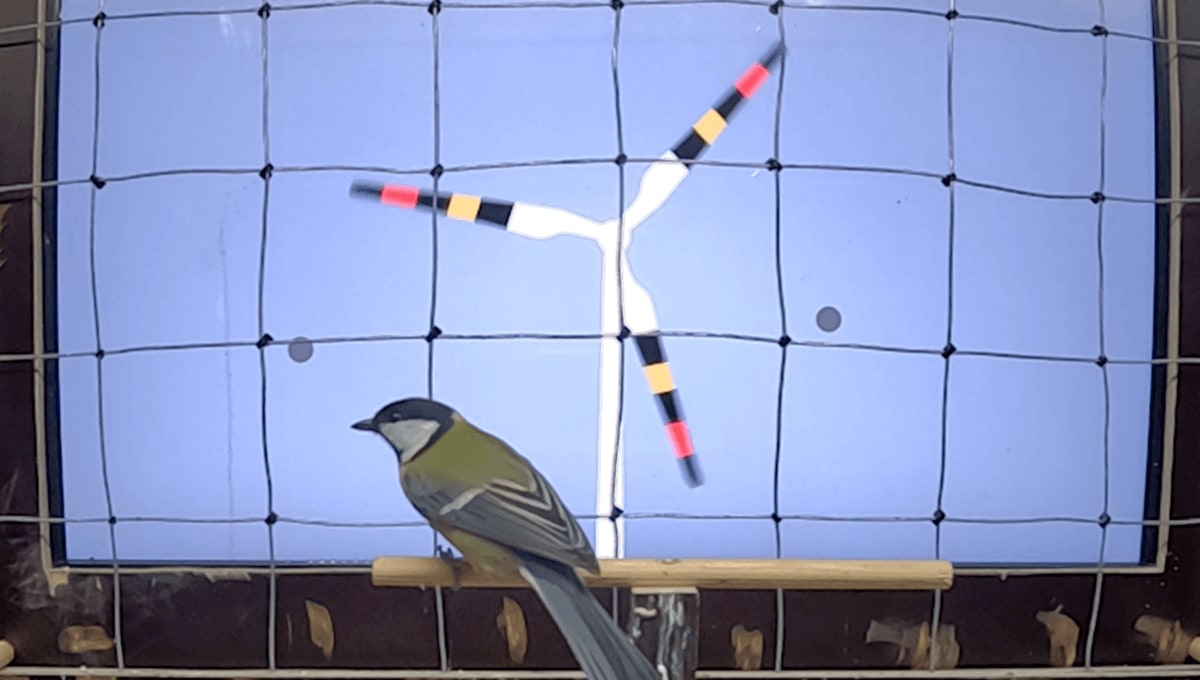
Scientists discovered how Harris's hawks morph their wings mid-flight to slip through tight spaces, shifting from unstable to stable flight in seconds. This natural engineering trick could revolutionize how drones navigate crowded environments.

Phys.org - Technology•2 min read
Robot Touch Training Slashed From 18 Months to 2 Weeks
Innovation•5d ago

Robot Touch Training Slashed From 18 Months to 2 Weeks

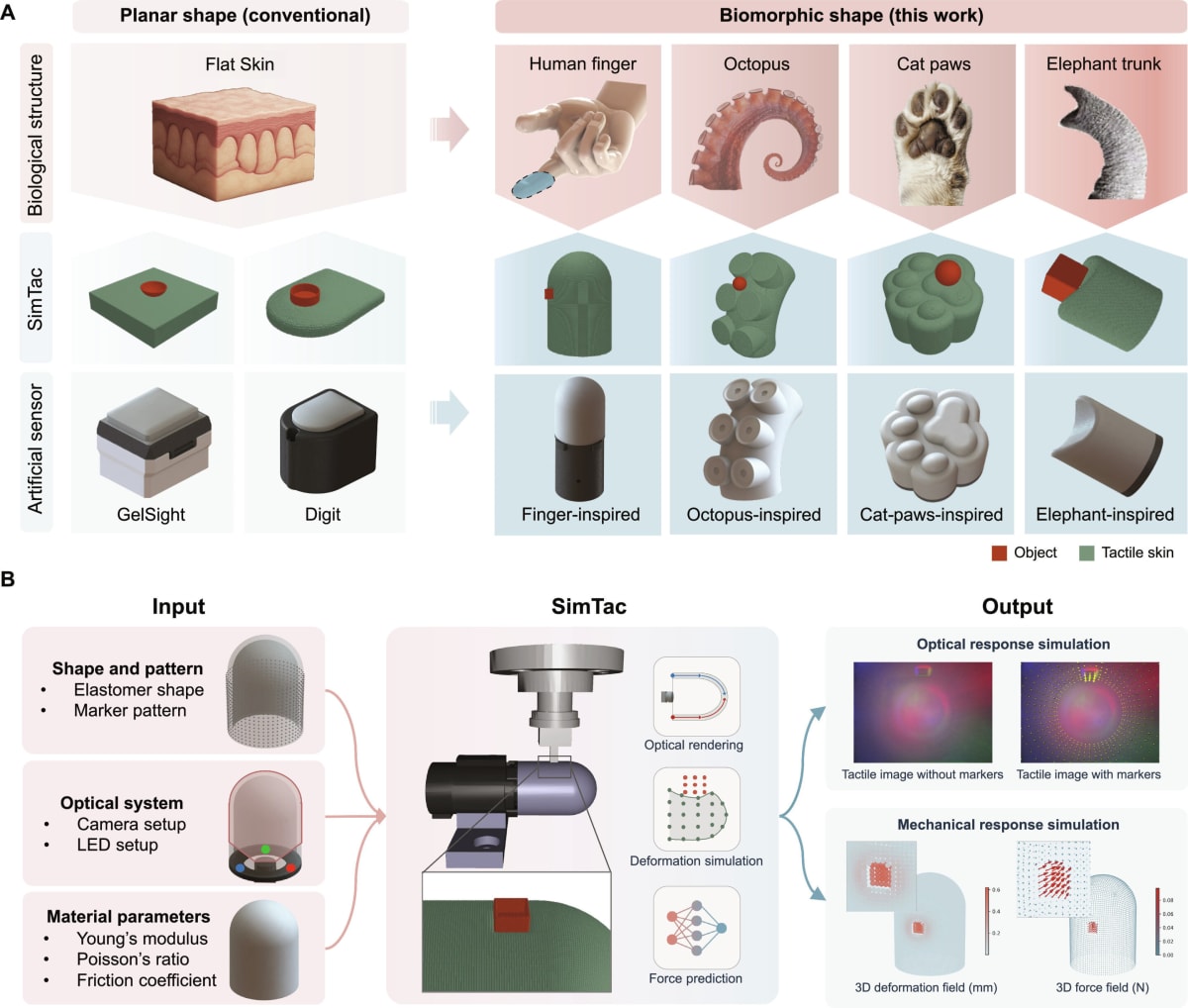
Scientists inspired by cat paws and elephant trunks just cut robot development time by 97%, making affordable touch-sensing robots a near reality. The breakthrough could transform everything from factory automation to prosthetic limbs.

Phys.org - Technology•3 min read
Robot Eye Mimics Nature to See in Extreme Light
Innovation•5d ago

Robot Eye Mimics Nature to See in Extreme Light

Scientists created a robot eye that adjusts its pupil like a living creature, solving a major problem for self-driving cars and drones. The liquid metal design improved machine vision accuracy by 22% in harsh lighting.

Phys.org - Technology•2 min read
Harvard Cracks How Snakes Stand Upright Without Limbs
Innovation•5d ago

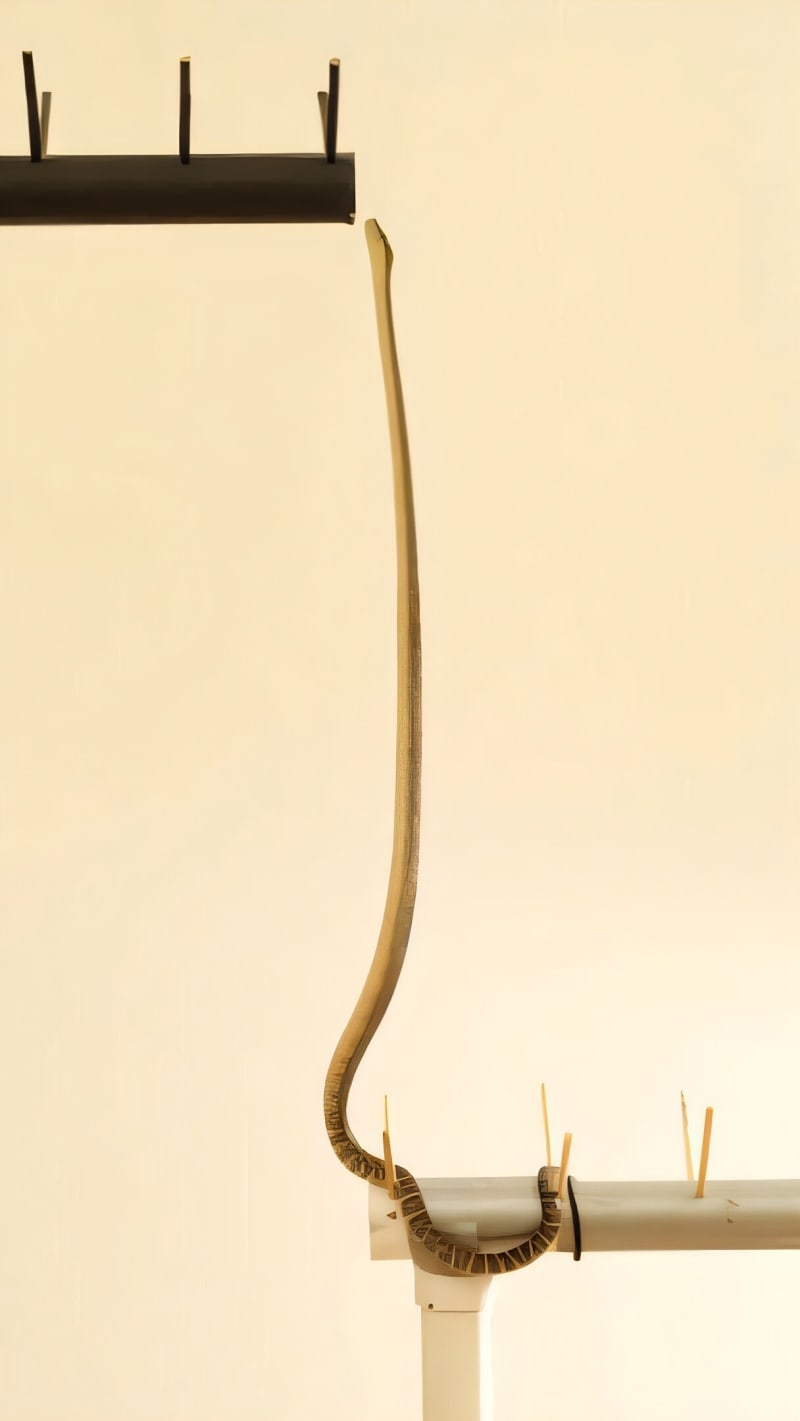
Harvard Cracks How Snakes Stand Upright Without Limbs

Scientists finally understand how tree snakes lift 70% of their bodies straight up without toppling over. The discovery could revolutionize soft robotics and flexible medical devices.

Phys.org•3 min read
Robot Wing Cuts Underwater Turbulence by 87%
Innovation•Feb 27

Robot Wing Cuts Underwater Turbulence by 87%

Scientists created a flexible robotic wing that senses water currents and adapts like a bird or fish, slashing underwater jolts by 87%. The breakthrough could make ocean robots safer, smarter, and far more energy efficient.

Phys.org - Technology•3 min read
Sea Urchin Spines Inspire Battery-Free Ocean Sensors
Innovation•Feb 26

Sea Urchin Spines Inspire Battery-Free Ocean Sensors

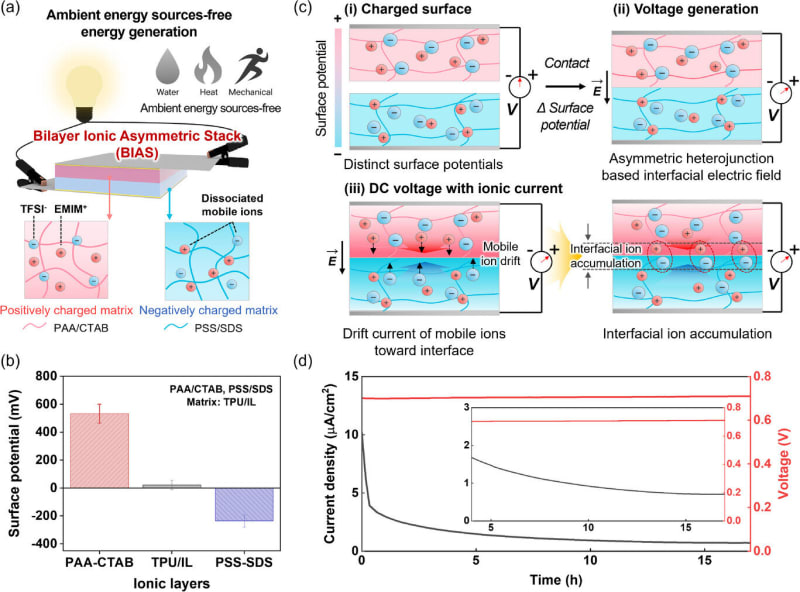
Scientists discovered sea urchin spines generate electricity from water flow, inspiring self-powered underwater sensors. The breakthrough could revolutionize ocean monitoring without batteries.

Phys.org•2 min read
Scientists Make Water Puddles Jump Using Bursting Bubbles
Innovation•Feb 26

Scientists Make Water Puddles Jump Using Bursting Bubbles

Researchers discovered how to make water puddles up to one centimeter wide leap into the air by bursting bubbles trapped inside them. This breakthrough could revolutionize everything from 3D printing to surface cleaning without using any fuel.

Phys.org•3 min read
Manta Ray-Inspired Filter Traps 3x More Laundry Microplastics
Innovation•Feb 18

Manta Ray-Inspired Filter Traps 3x More Laundry Microplastics

Three inventors in Ohio looked to the ocean for help cleaning up the ocean. Their washing machine filter mimics manta ray mouths to capture tiny plastic fibers before they reach waterways.

Positive News•2 min read
French Engineer Creates Bird-Drone That Flies Indoors
Innovation•Feb 18

French Engineer Creates Bird-Drone That Flies Indoors

A new robotic bird can actually flap its wings and fly as slowly as 2 mph, making it the first ornithopter that works indoors. The Swift comes with swappable tails that let you fly fast outdoors or slow and steady inside your living room.

New Atlas•3 min read
Elephant Trunk Whiskers Work Like a Touch Map for Tiny Objects
Planet Wins•Feb 14

Elephant Trunk Whiskers Work Like a Touch Map for Tiny Objects

Scientists discovered that the 1,000 whiskers on an elephant's trunk have a unique stiffness gradient that acts like a natural GPS system, helping these gentle giants pick up peanuts without crushing them. The breakthrough is now inspiring smarter robot sensors.

Good News Network•2 min read
Elephant Whiskers Hold Secret to "Built-In Intelligence
Videos•Feb 13

Elephant Whiskers Hold Secret to "Built-In Intelligence

Scientists discovered elephant trunk whiskers have a unique structure that acts like a precise touch sensor, no brain power needed. This natural design could inspire smarter robots and artificial sensors.

Ars Technica Science•2 min read
Shape-Shifting Robot Morphs Into Different Animals
Innovation•Feb 12

Shape-Shifting Robot Morphs Into Different Animals

Scientists have created a four-legged robot that can transform its body to mimic different animals, switching between species like a real-life transformer. This breakthrough could help robots tackle any terrain they encounter.

Nature News•2 min read
Fly-Inspired Robot Eye Sees and Smells Danger at Once
Innovation•Feb 12

Fly-Inspired Robot Eye Sees and Smells Danger at Once

Scientists created a tiny artificial eye inspired by fruit flies that gives robots 180-degree vision and the ability to detect hazardous gases. The breakthrough could help search-and-rescue drones navigate disaster zones and find survivors in collapsed buildings.

Phys.org - Technology•2 min read
Tiny Shrimp's Shock-Proof Helmet Could Revolutionize Armor
Videos•Feb 11

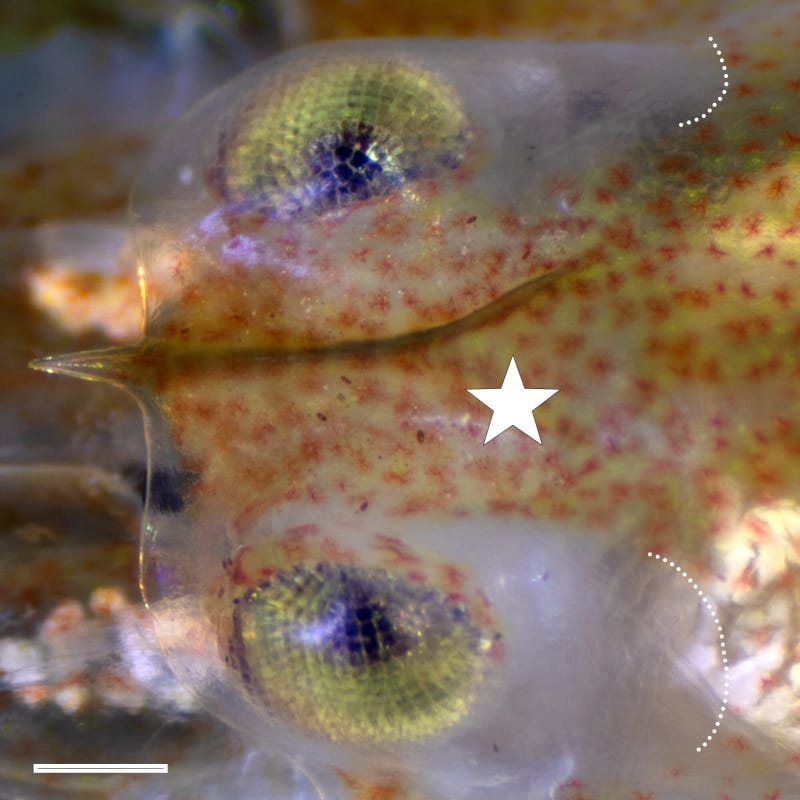
Tiny Shrimp's Shock-Proof Helmet Could Revolutionize Armor

Scientists discovered how snapping shrimp protect their brains from their own powerful shock waves using a natural helmet that's softer yet stronger than the rest of their shell. This tiny crustacean's ingenious design could help engineers create better armor to protect soldiers and first responders from blast injuries.

Phys.org•2 min read
Sea Star Feet Inspire Robots That Work Upside Down
Innovation•Feb 7

Sea Star Feet Inspire Robots That Work Upside Down

Scientists discovered how sea stars walk without a brain, and it could revolutionize how we build robots for extreme environments. Each of the creature's hundreds of tiny feet makes its own decisions based on what it feels.

Phys.org - Technology•3 min read
Penn State Creates Shape-Shifting Skin Like an Octopus
Innovation•Feb 6

Penn State Creates Shape-Shifting Skin Like an Octopus

Scientists developed a smart synthetic skin that can hide images, change textures, and morph shapes on command, all from a single soft material. Inspired by octopus skin, this breakthrough could revolutionize camouflage, security, and robotics.

Science Daily•3 min read

Showing 20 of 32