Seal Named Filou Cracks Fish Escape Code With Whiskers
A harbor seal in Germany learned to detect invisible underwater trails left by fleeing fish, proving seals use their whiskers like underwater GPS. This discovery could inspire new ocean robots and help protect seals in changing seas.
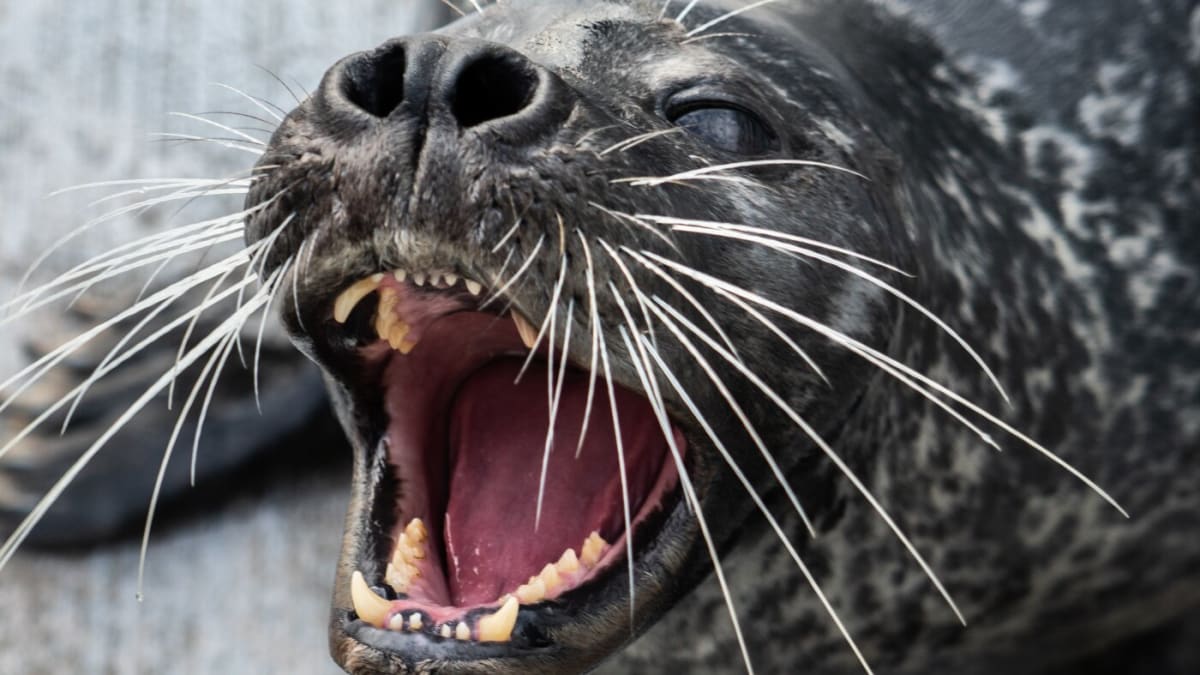
A harbor seal named Filou just proved that whiskers are way more powerful than anyone imagined.
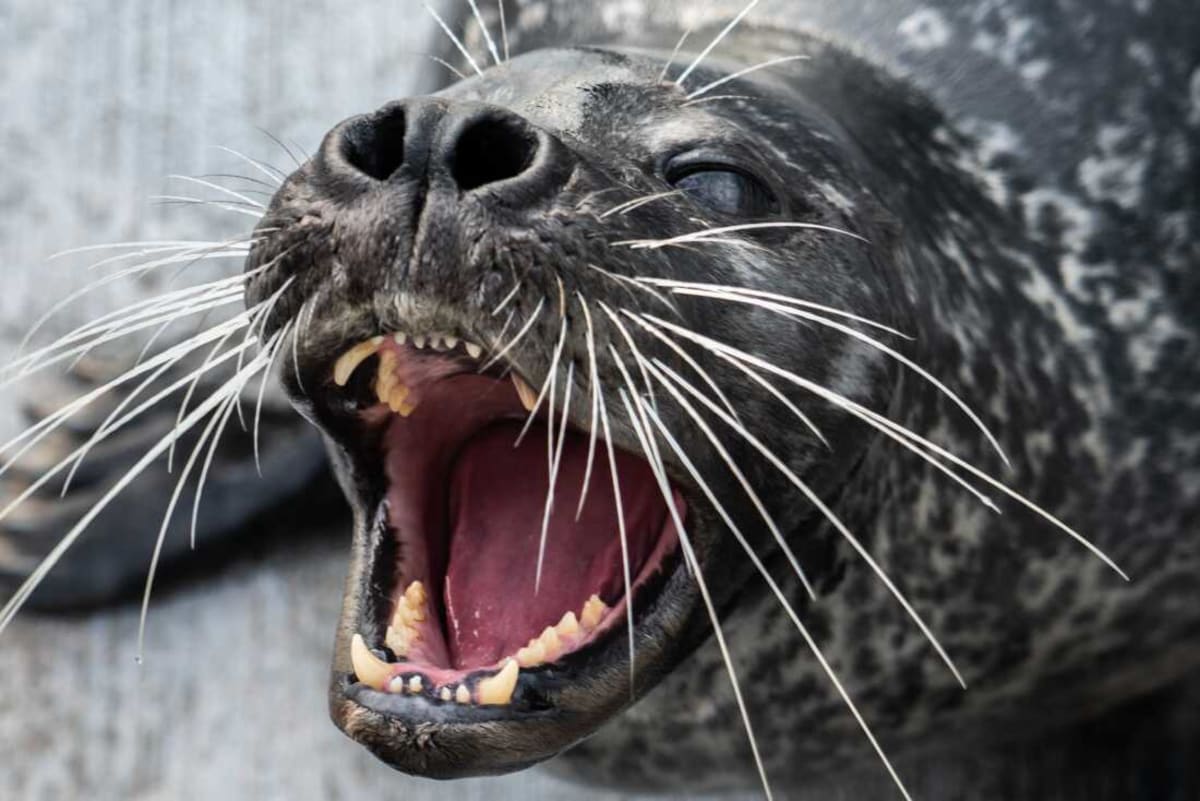
After nearly two years of patient training at a marine science center in Germany, this "nerd" of a seal mastered an impressive skill. Filou learned to detect the exact direction fish swim when they make their escape, even when the fish try to trick him by darting away in a different direction than expected.
Harbor seals sport about a hundred whiskers that work like underwater antennas. These special hairs pick up water movements left behind by swimming fish, similar to how airplane contrails streak across the sky. Except these trails are invisible, swirling through the water in patterns only whiskers can detect.
Rainbow trout, a seal favorite, have developed a clever defense strategy. When escaping, they bend into a C-shape and spin off two underwater vortex rings in opposite directions. Only the smaller ring follows the fish's actual path, creating an aquatic shell game that could easily confuse a hungry predator.
Biologist Yvonne Krüger from the University of Rostock wanted to know if seals could crack this code. She worked with Filou, an adult male harbor seal she describes as beautiful, motivated, and a perfectionist who gets frustrated by mistakes. Their bond made the long training process possible.
Filou learned to choose between two artificially created vortex rings of different sizes. Eventually, he could tell them apart even when the size difference was less than the width of a human thumb. That's far more precise than what he'd need in the wild to successfully hunt trout.
The clincher came when researchers covered Filou's whiskers with nylon stockings. Suddenly, he couldn't complete the task at all, proving his whiskers were doing the detective work.
Why This Inspires
This breakthrough shows how seals can hunt successfully in murky water or complete darkness, reading invisible maps that tell them where fish have been and where they're going. One animal's talent reveals how an entire species navigates their underwater world.
The research, published in the Journal of Experimental Biology, could help scientists understand how environmental changes like extreme weather might interfere with these critical sensory abilities. It may also inspire engineers designing underwater robots for archaeology, mining, or ocean surveys.
Sensory biologist Robyn Grant, who wasn't involved in the study, calls this "a really important step" in understanding how seals extract tiny bits of information from water trails. While she'd love to see more details about precise whisker movements, she says it's a great start.
Filou's underwater detective skills prove that nature's solutions to complex problems often outperform anything humans have designed.
More Images

Based on reporting by NPR Science
This story was written by BrightWire based on verified news reports.
Spread the positivity!
Share this good news with someone who needs it