Tiny Fish Gut Bacteria May Help Oceans Store Carbon
Scientists discovered that microbes living inside fish intestines help produce minerals that regulate ocean chemistry and store carbon. This hidden partnership could reshape our understanding of how marine life protects ocean health.
Fish and their microscopic gut bacteria are teaming up to help keep our oceans healthy in ways scientists never knew existed.
Researchers at the University of Miami found that tiny microbes living inside marine fish help produce calcium carbonate, a mineral crucial for ocean chemistry and carbon storage. For years, scientists believed fish handled this process alone, but the new discovery reveals a secret partnership that could influence how our oceans function on a global scale.
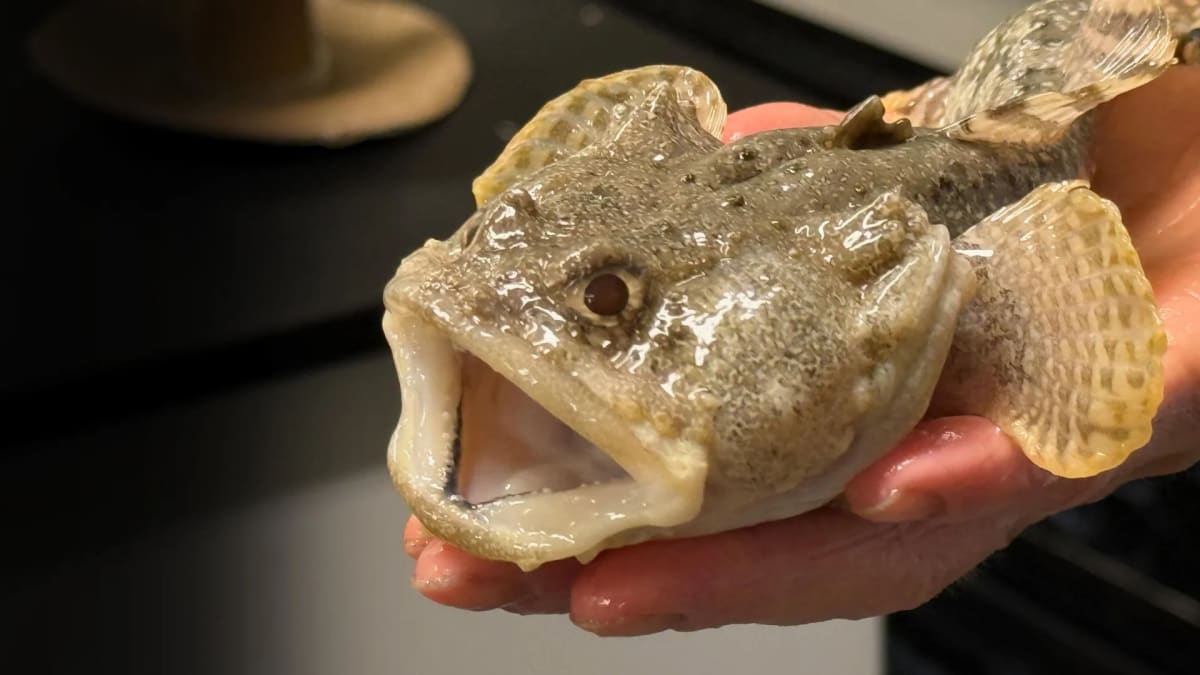
The research team studied Gulf toadfish in different salt levels to understand how this process works. When fish drink seawater to stay hydrated, their bodies remove excess calcium and carbonate and release them as tiny mineral pellets called ichthyocarbonates.
Former graduate student Anthony Bonacolta led the study, which exposed toadfish to low-salt, normal, and extra-salty water. Fish in low-salt conditions produced no mineral pellets, while those in saltier water produced more and more.
The real surprise came when researchers examined what was happening inside the fish. DNA and RNA analysis revealed that vibrio bacteria, especially one species called Photobacterium damselae, thrived in both the fish intestines and the mineral pellets themselves.
These bacteria possess genetic capabilities linked to mineral formation, suggesting they work alongside their fish hosts rather than just hitchhiking inside them. The partnership appears to be a true collaboration between two very different life forms.
"What was previously thought to be a process driven solely by the fish may actually reflect a close symbiosis between the fish and its gut microbial community," said Martin Grosell, chair of the Department of Marine Biology and Ecology.
The Ripple Effect
This tiny partnership inside fish guts could have massive implications for our planet's health. The calcium carbonate produced through this process plays a key role in ocean chemistry and helps store carbon that would otherwise contribute to climate change.
"Most life on Earth is microbial, driving nutrient cycles and ecosystem function," Grosell explained. The ocean hosts countless partnerships like this one, and each discovery helps scientists understand how marine ecosystems maintain balance.
The findings suggest that microbes influence environmental processes on scales far beyond their microscopic size. When millions of fish across the world's oceans work with their bacterial partners, the combined effect helps regulate ocean chemistry and carbon storage globally.
Understanding these hidden partnerships could help scientists predict how ocean ecosystems will respond to environmental changes and develop better strategies for ocean conservation.
This discovery reminds us that some of Earth's most important environmental workers are organisms we can't even see with the naked eye.
Based on reporting by Science Daily - Environment
This story was written by BrightWire based on verified news reports.
Spread the positivity!
Share this good news with someone who needs it