Scientists 3D Print Robot Hand With Artificial Muscles
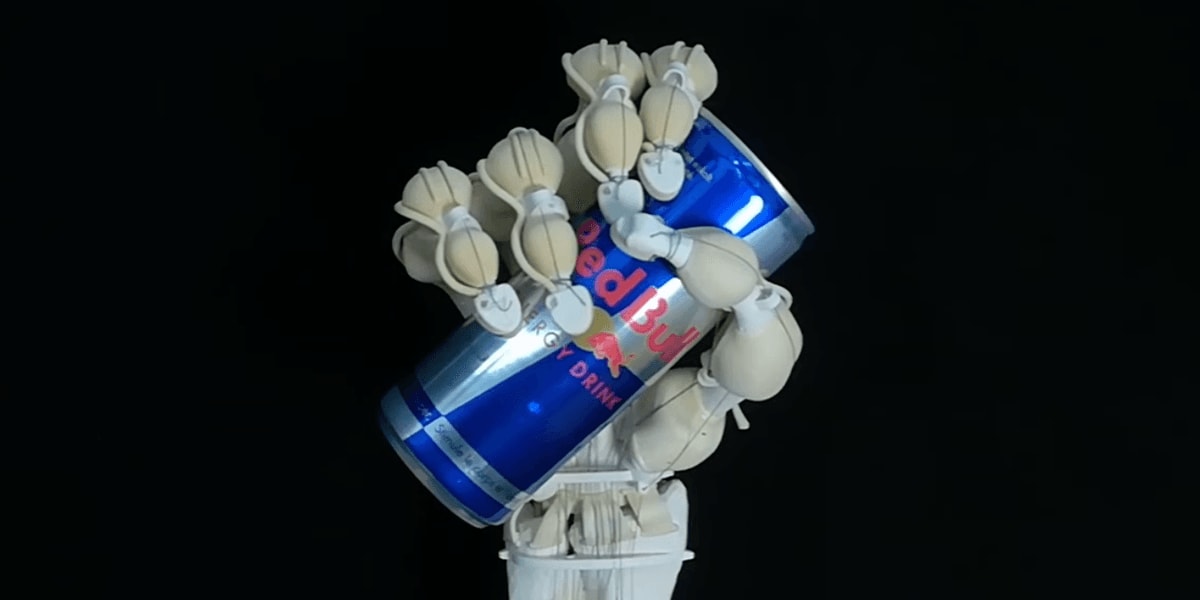
Researchers at ETH Zurich just 3D printed an entire robot hand in a single process, complete with bones, joints, tendons, and touch sensors that mimic human anatomy. This breakthrough brings us closer to creating robots that move and feel like living creatures.
Scientists just made a robot hand that looks and moves like yours, and they did it all in one print.
Researchers at ETH Zurich created a robotic hand using 3D printing technology that combines rigid bones, soft joints, artificial tendons, and even touch sensors in a single manufacturing process. The hand mimics the complex structure of human anatomy, bringing robotics one step closer to replicating nature's most elegant designs.
Traditional robot hands require assembling dozens of separate parts made from different materials. This new approach prints everything at once, layering soft and hard materials together to create a fully functional hand straight from the printer.
The artificial tendons work like real ones, pulling on the fingers to create natural movement. The soft joint capsules bend and flex like human knuckles, while the rigid skeleton provides structure and strength.
The Ripple Effect
This breakthrough could transform how we manufacture robots for everything from disaster rescue to medical surgery. Printing complex robotic parts in a single process makes them faster and cheaper to produce, opening doors for smaller companies and research labs to innovate.
The technology also advances our understanding of how natural structures work. By recreating the mechanics of a human hand, scientists gain insights into biology that could improve prosthetics for amputees and help people with mobility challenges.
Beyond practical applications, this research represents a major leap in soft robotics, a field focused on creating machines that can safely interact with humans and handle delicate objects. Robots with hands like these could work alongside people in homes, hospitals, and workplaces without the risk of injury from rigid metal appendages.
The team embedded touch sensors directly into the printed hand, giving it the ability to feel pressure and adjust its grip accordingly. This sensory feedback mimics how humans automatically adjust when picking up a fragile egg versus a heavy book.
While the hand currently operates in a lab setting, the printing technique can be adapted for other body parts and robotic applications. Researchers believe this same approach could eventually create entire robotic arms, legs, or even full humanoid robots in single print runs.
The future of robotics just got a lot more human.
More Images
Based on reporting by IEEE Spectrum
This story was written by BrightWire based on verified news reports.
Spread the positivity!
Share this good news with someone who needs it