Scientists Create Eye That Adapts to Light Like Animals Do
Researchers built an artificial eye with a liquid-metal pupil that automatically adjusts to bright and dim light, just like human and animal eyes do. The breakthrough could make self-driving cars, robots, and security systems work better in changing light conditions.
Scientists just solved a problem that's been holding back cameras and robots: they can't handle sudden light changes the way our eyes can.
A team from the University of North Carolina at Chapel Hill and Westlake University created an artificial eye that mimics how animal pupils naturally adjust to light. When you walk from a dark room into bright sunlight, your pupils shrink instantly without you thinking about it. This new device does the same thing, but for machines.
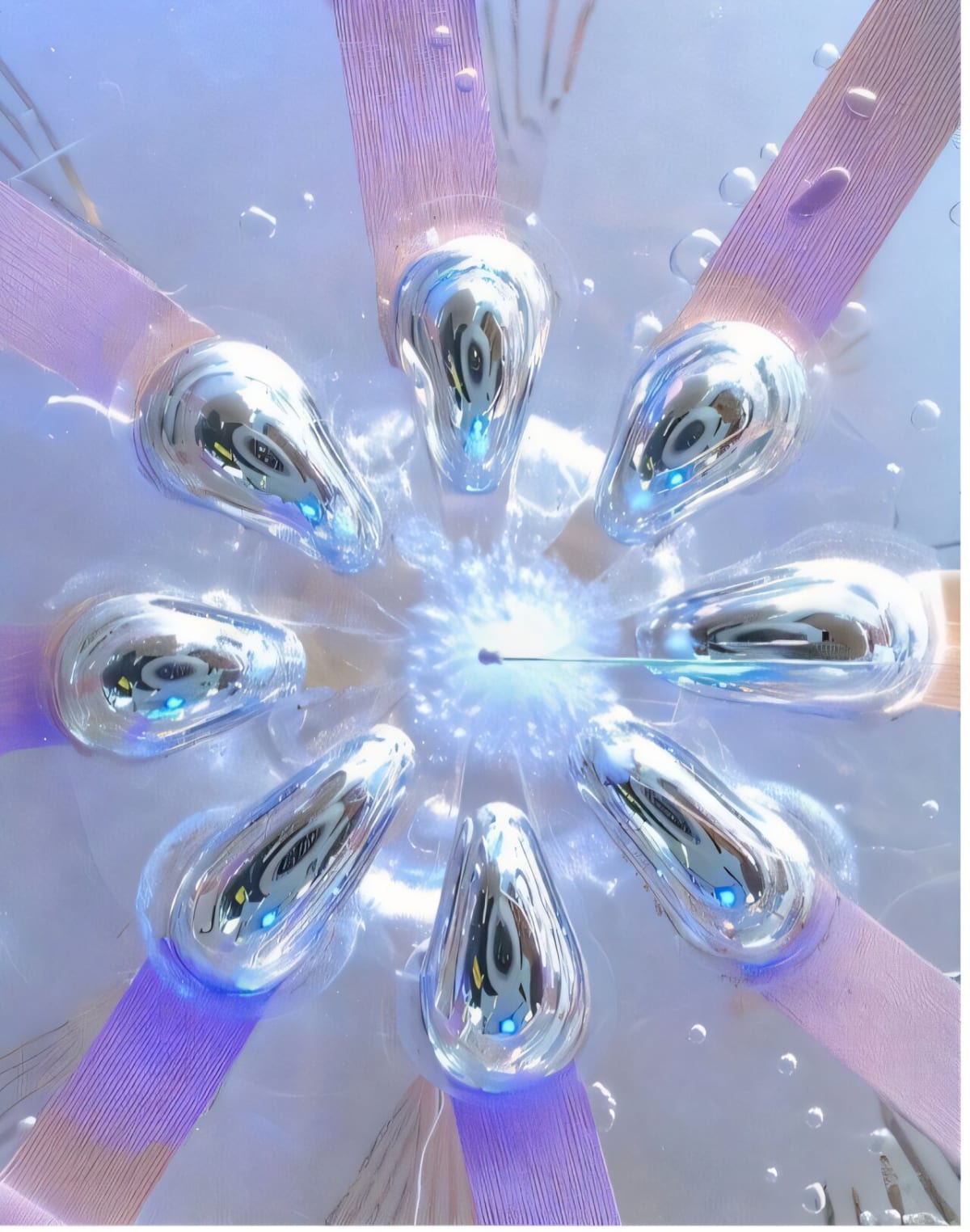
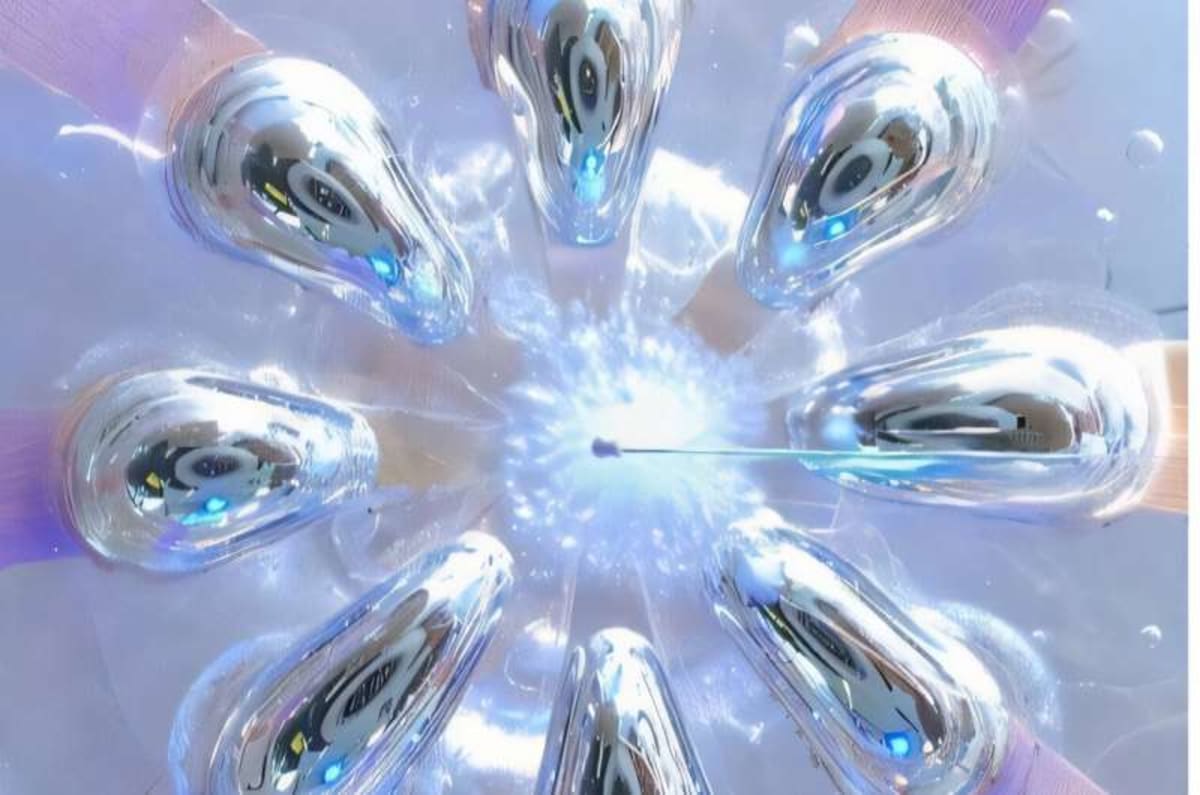
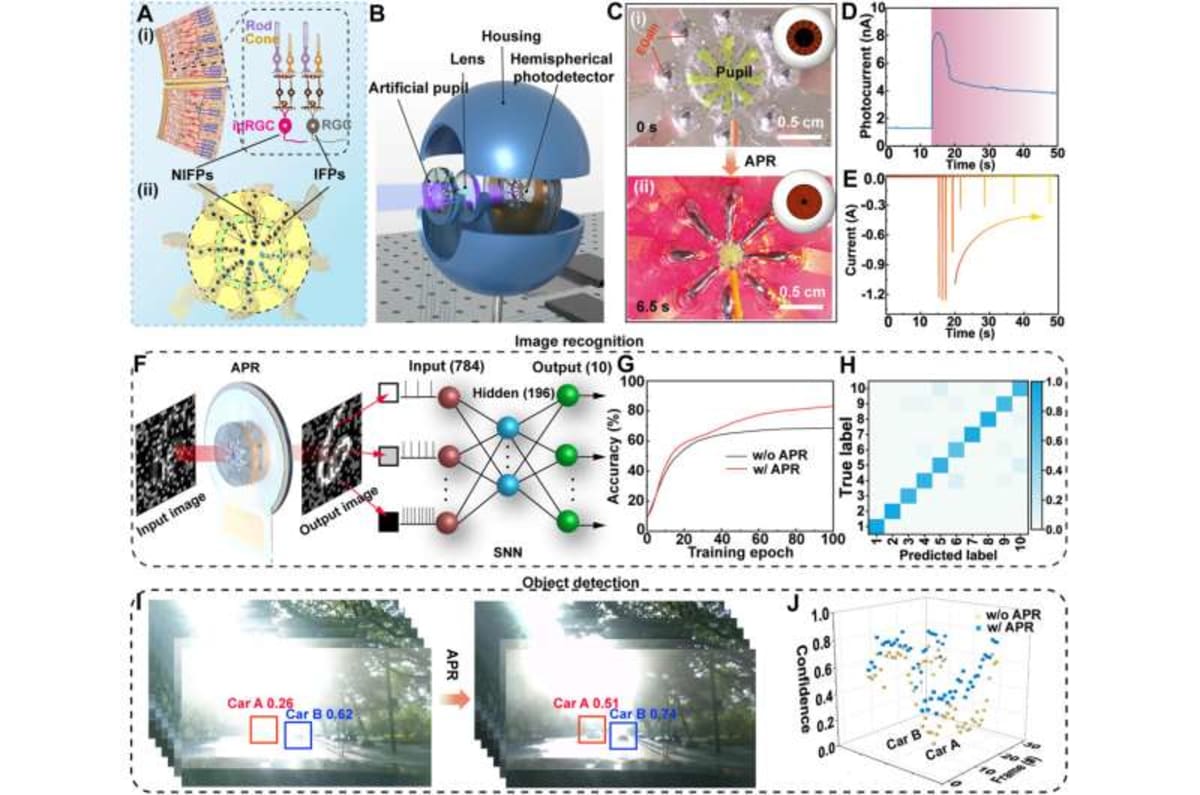
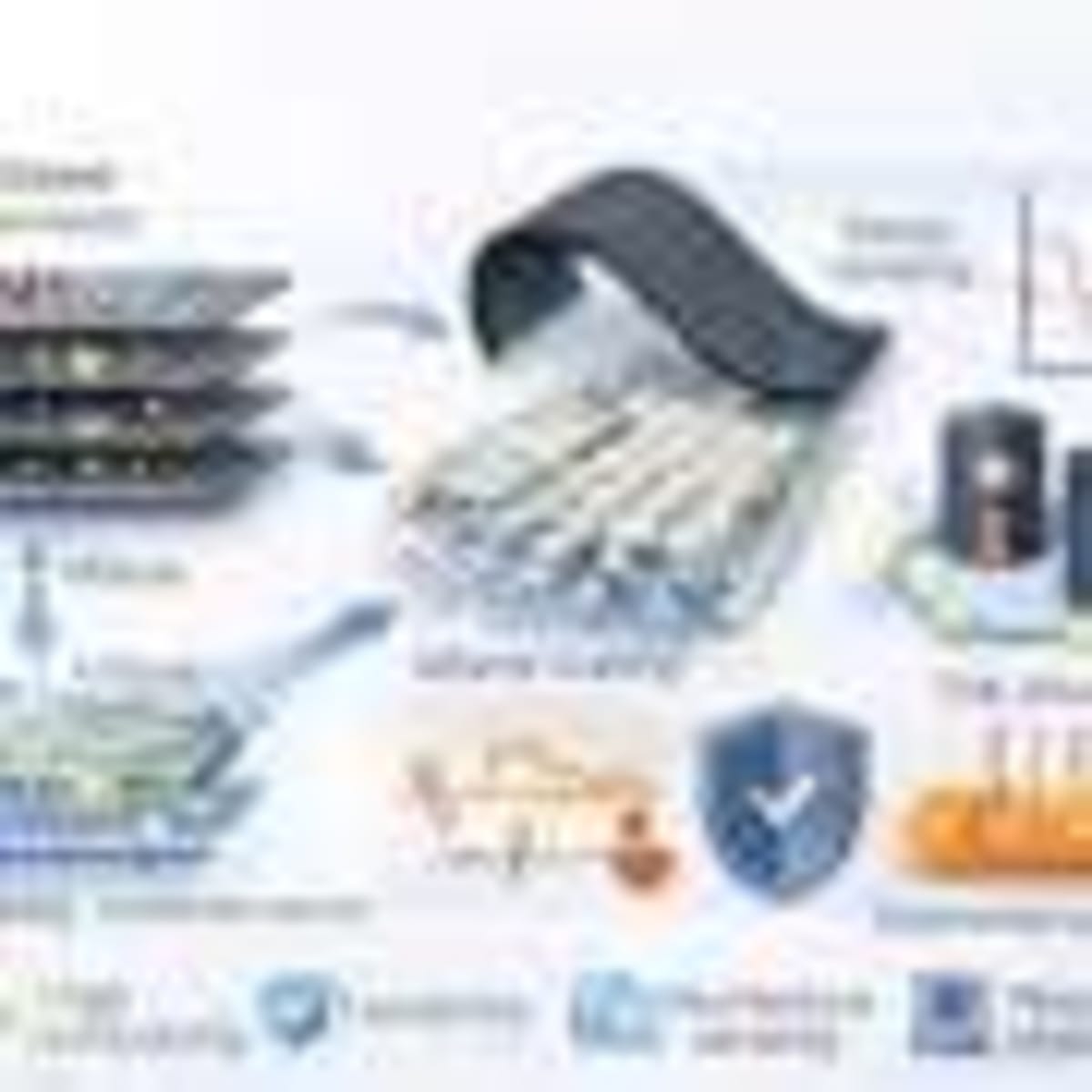
The artificial eye has three main parts working together. A curved retina captures light using 64 light-sensitive pixels arranged in a grid. Liquid-metal neurons process the signals, mimicking how our brain cells fire. And the star of the show is a pupil made from liquid metal that automatically changes size and shape based on light intensity.
Dr. Kun Liang, who led the research, explains that traditional machine vision systems struggle with extreme light changes. Self-driving cars and robots use complicated software to fix blurry or overexposed images, making them slow and unreliable. Nature figured this out millions of years ago, so the team decided to copy what works.
The liquid-metal pupil uses eight independently controlled actuators that adjust the opening to control light flow. The clever part? These actuators can create different pupil shapes, not just circles. The system can mimic human pupils, vertical cat-eye slits, horizontal sheep pupils, or the unique shapes found in squids and frogs.
When bright light hits the artificial retina, it sends signals through the liquid-metal neurons. These signals make the pupil contract automatically, protecting the light sensors from overexposure. When light dims, the pupil opens wider to let more light in. No human control needed.
The Ripple Effect
This hardware solution could transform technologies we use every day. Self-driving cars could navigate better through tunnels, under bridges, and during sunrise or sunset when light changes dramatically. Security cameras could capture clearer footage in varying conditions. Medical imaging devices could adapt more naturally to different tissue types.
Robots working outdoors could handle their visual tasks without constantly recalibrating. Drones could fly more safely through changing light conditions. The applications extend to neuromorphic computing systems designed to work more like biological brains.
The team's artificial eye works as well as commercial photodetectors while adding this crucial adaptive feature. It responds to light wavelengths from ultraviolet through the entire visible spectrum. The flexible design stays stable even when bent or shaped, making it practical for curved surfaces.
What makes this breakthrough special isn't just copying nature—it's doing so in a way that's simpler and faster than current technological solutions. Instead of complex algorithms trying to correct bad images after the fact, the system prevents the problem from happening in the first place.
The research, published in Science Robotics, represents years of work to understand and replicate one of nature's most elegant solutions to a common challenge.
More Images
Based on reporting by Phys.org - Technology
This story was written by BrightWire based on verified news reports.
Spread the positivity!
Share this good news with someone who needs it
-1789091131617.jpg)