Tiny Fossil Rewrites 40 Years of Mammal Evolution Science
A six-inch fossil from Mongolia just overturned four decades of scientific assumptions about ancient mammals. The discovery proves that studying teeth alone can mislead researchers about an animal's true evolutionary story.
Scientists thought they understood an ancient group of mammals called zhelestids for nearly 40 years, but a tiny fossil from the Gobi Desert just proved them wrong.
The newly discovered species, Tamirkhan balcarceli, shows that these mysterious creatures weren't early relatives of modern hoofed mammals like deer or cows. Instead, they were fast-moving, shrew-like animals that evolved similar teeth independently, a phenomenon scientists call convergent evolution.
For decades, researchers had only fossil teeth to study. Those rounded, flat teeth looked similar to later plant-eating mammals, leading scientists to place zhelestids on the wrong branch of the evolutionary tree. But the new fossil includes parts of the skull and limbs, revealing the full picture for the first time.
"It was the thrill of a career to find a new species so completely preserved that also solves a longstanding scientific problem," said lead author Andres Giallombardo of the American Museum of Natural History. The specimen measures just six to seven inches from head to tail.
The fossil's long, slender hind legs and specialized ankles match those of zalambdalestoids, a group of small, insect-eating mammals. These features suggest the animal could run quickly across uneven terrain, likely helping it escape dinosaurs in the Cretaceous landscape. Some paleontologists informally call these creatures "Cretaceous rabbits" because of their rabbit-like appearance, though they're completely unrelated to modern rabbits.
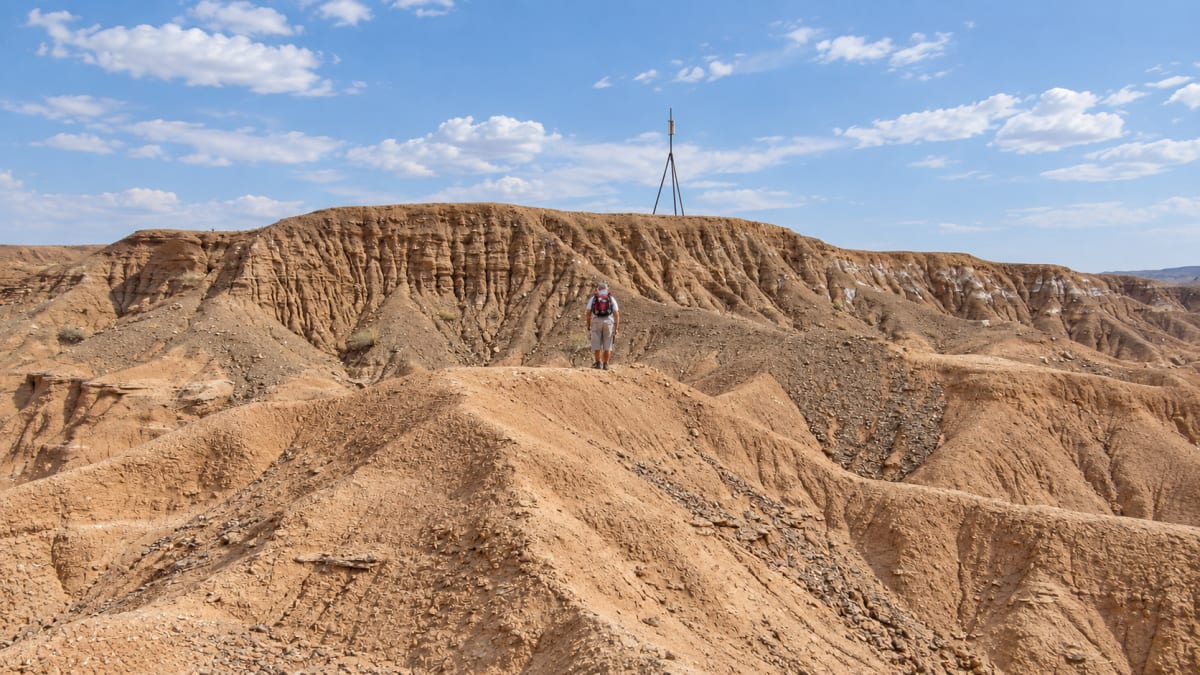
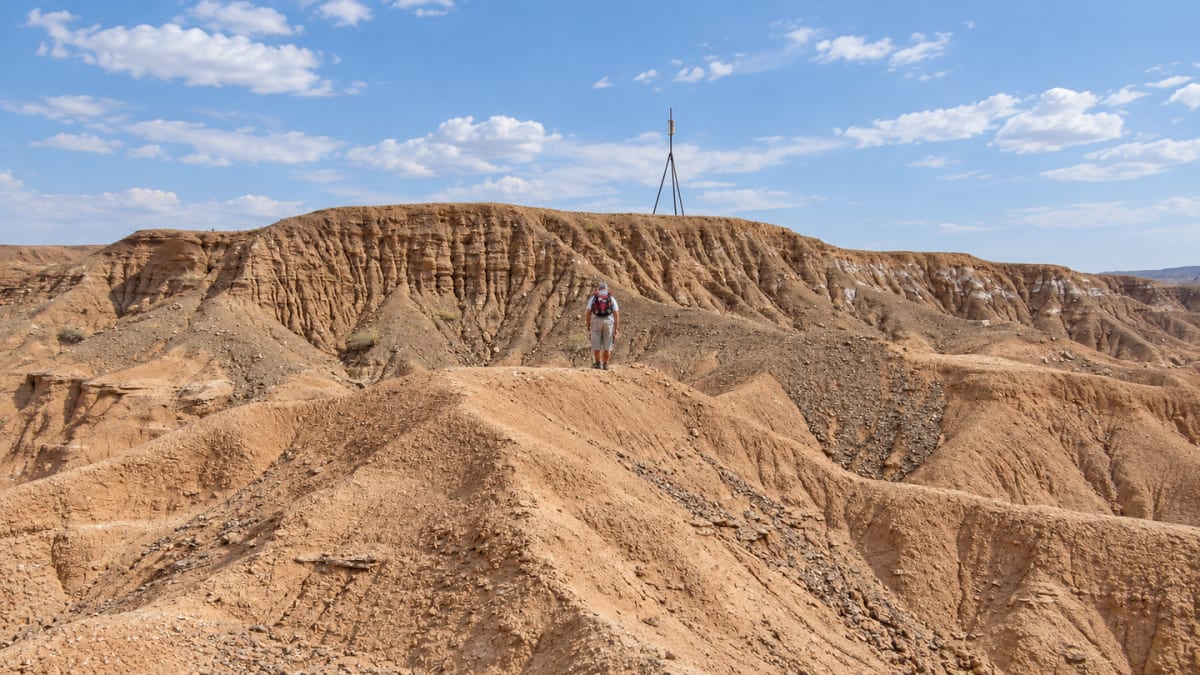
The discovery came from eastern Mongolia, a region famous for producing exceptionally complete mammal fossils from the age of dinosaurs. The windswept Khugenetsavkhlant badlands have yielded treasures that help scientists piece together life from millions of years ago.
Why This Inspires
This discovery reminds us that nature still holds countless surprises waiting to be uncovered. Fieldwork in remote deserts continues to reshape our understanding of life's history, proving that assumptions based on incomplete evidence can lead us astray for generations.
The finding also showcases the power of persistence in science. Researchers spent years searching harsh terrain to find complete specimens that could answer longstanding questions. Their dedication paid off with a fossil that rewrites textbooks.
"Molecular models based on living animals can predict the past, but fossils provide the evidence needed to test those predictions," said coauthor Paul Velazco of Arcadia University. This work demonstrates that direct evidence from fieldwork remains irreplaceable, even in an age of advanced computer modeling.
The tiny mammal survived in a world of giants, using speed and adaptability to thrive. That's a lesson worth remembering: success comes in many forms, and appearances can be deceiving. Sometimes the smallest discoveries spark the biggest revelations about our planet's remarkable history.
More Images



Based on reporting by Google: fossil discovery
This story was written by BrightWire based on verified news reports.
Spread the positivity!
Share this good news with someone who needs it