Egg-Shaped Armor Cuts Space Debris Impact Speed by 65%
Chinese scientists designed spacecraft armor inspired by eggshells that reduces deadly space debris impact speed by nearly two-thirds. With millions more satellites planned for orbit, this breakthrough could protect astronauts and spacecraft from the growing threat of high-speed collisions.
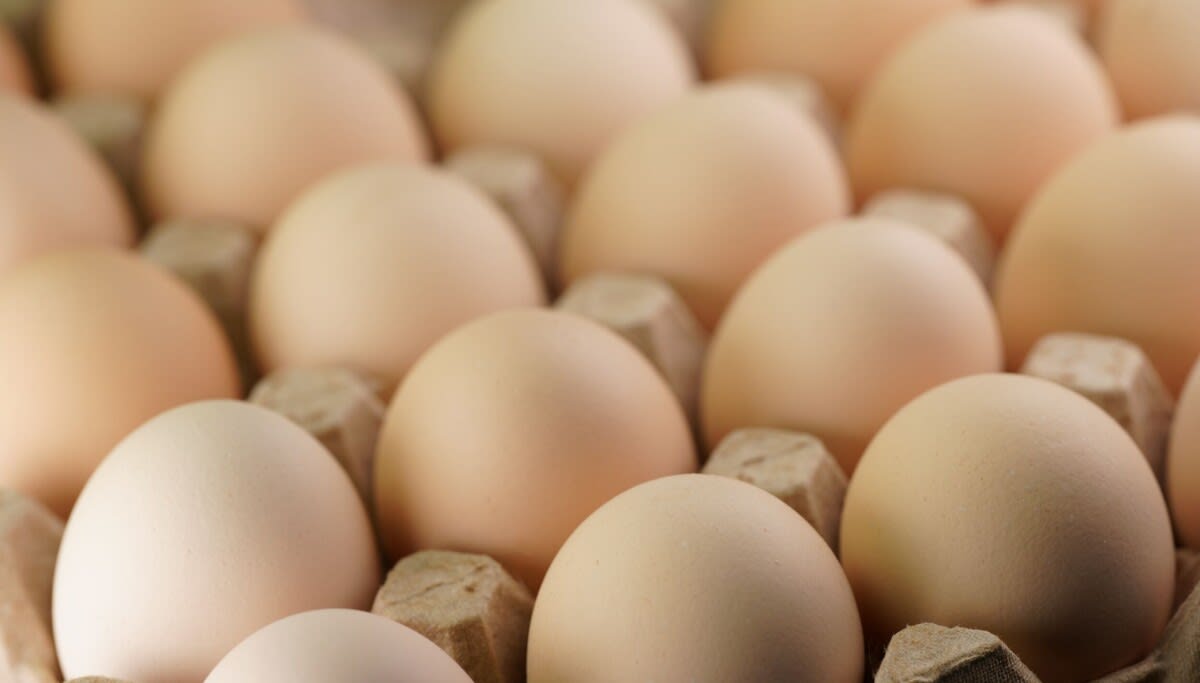
Scientists just cracked the code on protecting spacecraft from deadly debris using one of nature's most elegant designs: the humble egg.
Researchers at Dalian University of Technology in China created armor that sandwiches water-filled, 3D-printed aluminum eggshells between thin metal plates. When they simulated space debris slamming into their design at hypervelocity, the results were stunning.
The egg-inspired armor reduced projectile speed by 64.9 percent compared to just 51 percent for a standard aluminum plate. Lead author Yuxin Wang explains that natural biological structures have evolved excellent energy absorption through millions of years of adaptation.
The winning design places the pointy ends of the shells against the front plate, with each egg standing just half an inch tall. The entire armor system uses aluminum plates only one millimeter thick on either side.
This innovation arrives at a critical moment. Space is getting dangerously crowded, with companies like SpaceX proposing up to one million satellites for orbital data centers. Even a tiny one-centimeter piece of aluminum traveling at typical orbital speeds packs the same punch as a hand grenade.
Debris in low Earth orbit screams along at 7 to 8 kilometers per second. That's roughly five times faster than the fastest military rifle bullets. International Space Station residents have sheltered in place multiple times when space junk threatened their home.
The Ripple Effect
Better spacecraft protection could prevent a cascading disaster called Kessler syndrome, where collisions create debris that triggers more collisions. Some orbital regions are already moving closer to these dangerous conditions, which could make certain orbits unusable for generations.
The Chinese team tested several configurations, including spheres and different egg orientations, before landing on their optimal design. They're now working to refine the system and conduct additional tests.
Weight remains a consideration since covering a spacecraft in water-filled shells adds mass. But the dramatic improvement in protection makes the tradeoff worth exploring further.
Wang told the American Institute of Physics that bionic, lightweight metastructures represent a promising path forward for hypervelocity impact protection. His team hopes their research sparks more attention to bio-inspired protective designs.
The growing satellite population makes this work increasingly urgent. Starlink is already lowering its orbital altitude, and collision risks continue climbing as more objects crowd popular orbital zones.
Nature spent millions of years perfecting the egg's shape for protection, and now that same design might keep our astronauts and satellites safe among the stars.
Based on reporting by Google News - Researchers Find
This story was written by BrightWire based on verified news reports.
Spread the positivity!
Share this good news with someone who needs it