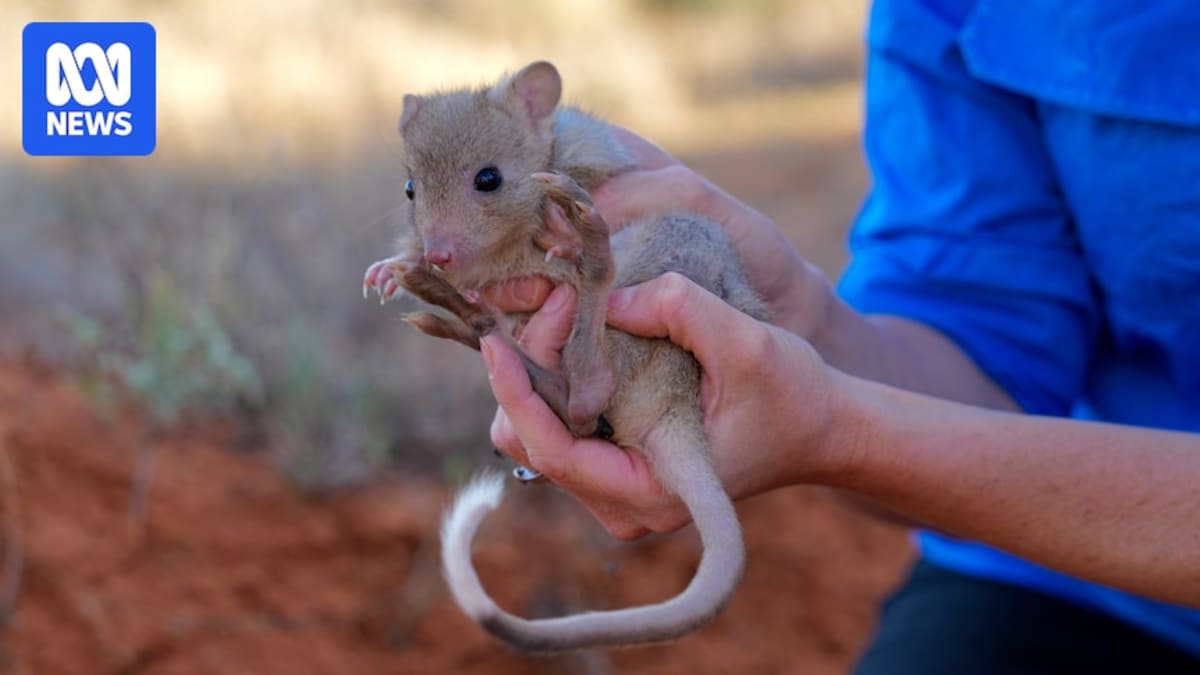
Burrowing Bettongs Return to Outback After Decades
After vanishing from mainland Australia within a century of European settlement, burrowing bettongs are hopping back into the wild in outback New South Wales. The football-sized marsupials are ecosystem engineers that move 3 tonnes of soil per animal each year. #
After nearly disappearing from mainland Australia, burrowing bettongs are digging their way back into the wild thanks to a decade-long conservation effort.
The football-sized marsupials once thrived across Australia's arid interior. But within a century of European settlement, feral cats and foxes wiped them out from most of the mainland.
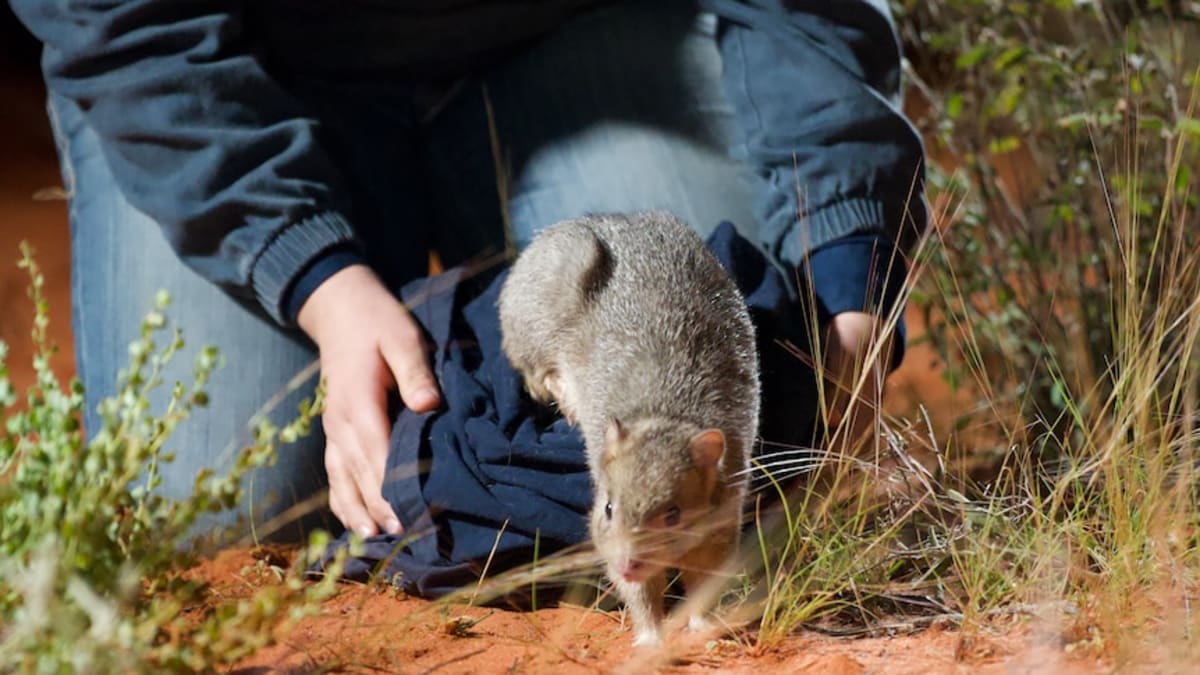
Now, ecologists with the Wild Deserts project have released several bettongs beyond protective fences in Sturt National Park, near Cameron Corner in far north-west NSW. The animals spent two years breeding safely behind pest-free barriers before venturing into their ancestral home.
These aren't just cute marsupials. Burrowing bettongs are ecosystem engineers that reshape the landscape around them.
Each animal shifts about 3 tonnes of soil annually while digging for food and creating warrens. Their constant tunneling aerates the ground, cycles nutrients, and creates shelter for other animals.
The bettongs now live in a 100 square kilometer "wild training zone" where feral predator numbers are carefully controlled. Each animal wears a radio collar so researchers can monitor their survival and behavior.
Scientists are watching for crucial behavioral changes. The bettongs need to learn survival skills their ancestors knew, like staying alert while feeding and not straying far from their warrens.
"They didn't evolve with cats," explained principal ecologist Rebecca West. "Cats have different hunting strategies, they smell different, they actually travel differently within the landscape."
The Ripple Effect
The bettongs join four other native species successfully reintroduced by Wild Deserts. Bilbies, golden bandicoots, western quolls, and crest-tailed mulgaras are already thriving beyond the fences.
Over the past 18 months, 400 bilbies have been released into the wild training zone. They're dispersing across the area and showing strong signs of breeding.
Even more encouraging, researchers have found evidence that multiple species are reproducing despite living alongside low densities of feral predators. The animals are learning to survive in realistic conditions.
This matters because Australia has the world's highest mammal extinction rate. Feral cats alone kill more than 1.5 billion native animals every year across the continent.
Wild Deserts represents a new approach to conservation. Rather than keeping animals locked away permanently, the project teaches them to coexist with managed predator populations.
Researchers in South Australia have already observed bettongs developing predator-smart behaviors when living this way. The NSW team hopes to see similar adaptations.
The next generation will be key. Scientists need these bettongs not just to survive, but to raise offspring that are naturally cautious and predator-aware from birth.
For now, the team tracks the bettongs daily, documenting where they travel and how they adapt, giving these ecosystem engineers their best shot at reclaiming the outback.
#
More Images


Based on reporting by ABC Australia
This story was written by BrightWire based on verified news reports.
Spread the positivity!
Share this good news with someone who needs it