Bus-Sized Octopuses Ruled Prehistoric Seas 100M Years Ago
Scientists discovered fossil jaws proving that 60-foot octopuses were apex predators in the age of dinosaurs, challenging everything we thought we knew about ancient oceans. These intelligent giants used powerful beaks and flexible arms to crush prey alongside fearsome marine reptiles.
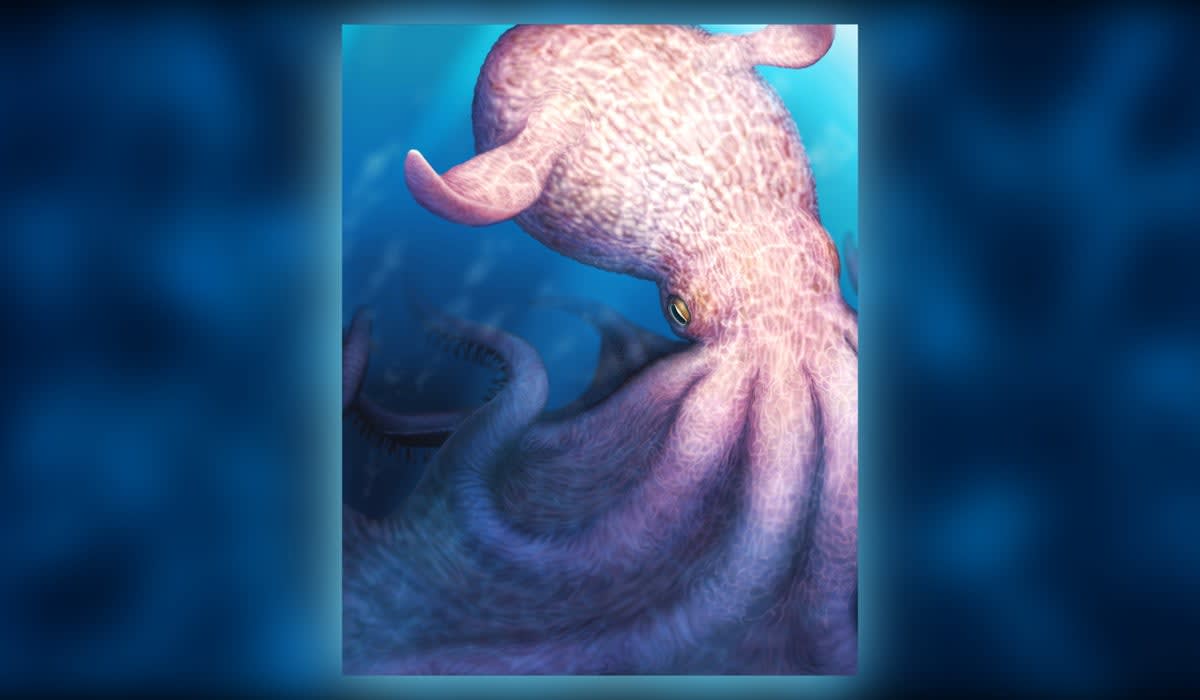
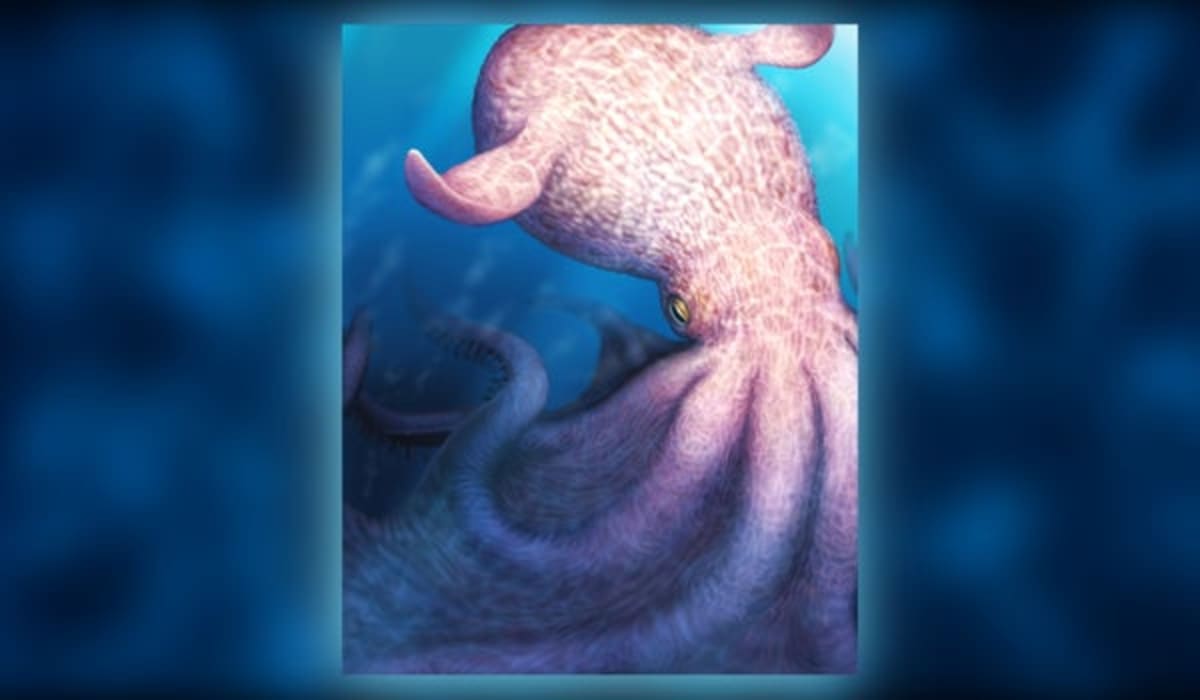
Imagine an octopus the size of an articulated bus hunting through prehistoric seas, crushing bones with a beak powerful enough to rival any shark.
Scientists just found proof that these creatures were real. Researchers at Hokkaido University in Japan studied fossil jaws from giant octopuses that lived 100 to 72 million years ago, during the Late Cretaceous period. Their findings reveal these "krakens" weren't just swimming around as prey. They were apex predators.
The team examined fossilized beaks from two species found in Japan and off Canada's Pacific Coast. The larger species, Nanaimoteuthis haggarti, reached up to 18.6 meters long. That's longer than today's giant squid and possibly bigger than any other creature alive in Cretaceous seas, including the fearsome mosasaurs that supposedly ruled the oceans.
For 370 million years, scientists believed only animals with backbones could claim the top spots in ocean food chains. Soft-bodied invertebrates like octopuses were thought to be prey, not predators. This discovery flips that understanding on its head.
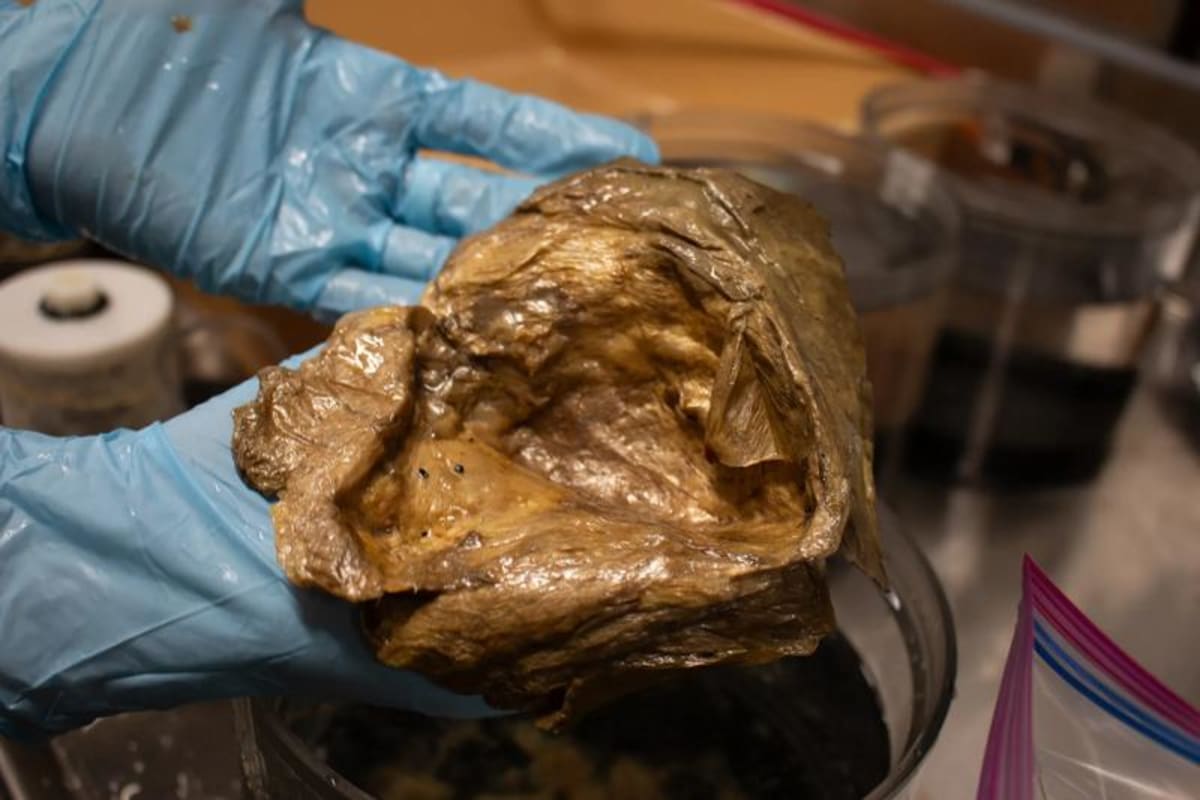
Lead researcher Shin Ikegami and his colleagues found the evidence in an unexpected place: wear patterns on ancient beaks. The damage on the jaw edges and tips showed these octopuses were carnivores that crushed shells and hard bones. Without long jaws like mosasaurs had for grabbing prey, the krakens likely used their flexible arms to seize large animals while their powerful beaks did the crushing work.
Even more fascinating, the asymmetrical wear on the beaks hints at something special. Different parts of the octopuses' brains appeared specialized for different tasks, a hallmark of advanced intelligence in invertebrates. These weren't just big. They were smart.
Why This Inspires
This discovery reminds us that nature finds multiple paths to success. While mosasaurs evolved massive jaws and armored bodies, octopuses took a completely different route. They ditched their external shells for flexibility, developed powerful beaks for feeding, and grew enormous brains.
Both groups independently arrived at the same destination: the top of the food chain. Evolution doesn't play favorites between creatures with or without backbones. Intelligence, adaptability, and the right tools matter more than body plan.
The research shows that some of Earth's most successful predators were soft-bodied invertebrates with remarkable cognitive abilities. That's a win for every underdog who ever lived.
More Images
Based on reporting by Scientific American
This story was written by BrightWire based on verified news reports.
Spread the positivity!
Share this good news with someone who needs it