Cadbury Cuts 1,000 Tons of Virgin Plastic Across Europe
The makers of Oreo, Cadbury, and Toblerone just hit a major sustainability milestone by switching to 80% recycled plastic in their packaging. The move eliminates 1,000 tons of virgin plastic annually across Europe.
Your favorite chocolate bar just got a lot greener without changing what's inside.
Mondelēz International, the company behind Cadbury, Oreo, and Toblerone, has successfully switched packaging for its major European brands to contain about 80% recycled plastic. The change saves 1,000 tons of virgin plastic every year across the continent.
The transformation started in 2022 when Cadbury Dairy Milk in the UK became one of Europe's first brands to use chemically recycled plastic in food packaging. By 2025, the company rolled out 80% recycled content across Cadbury tablet packaging throughout Europe.
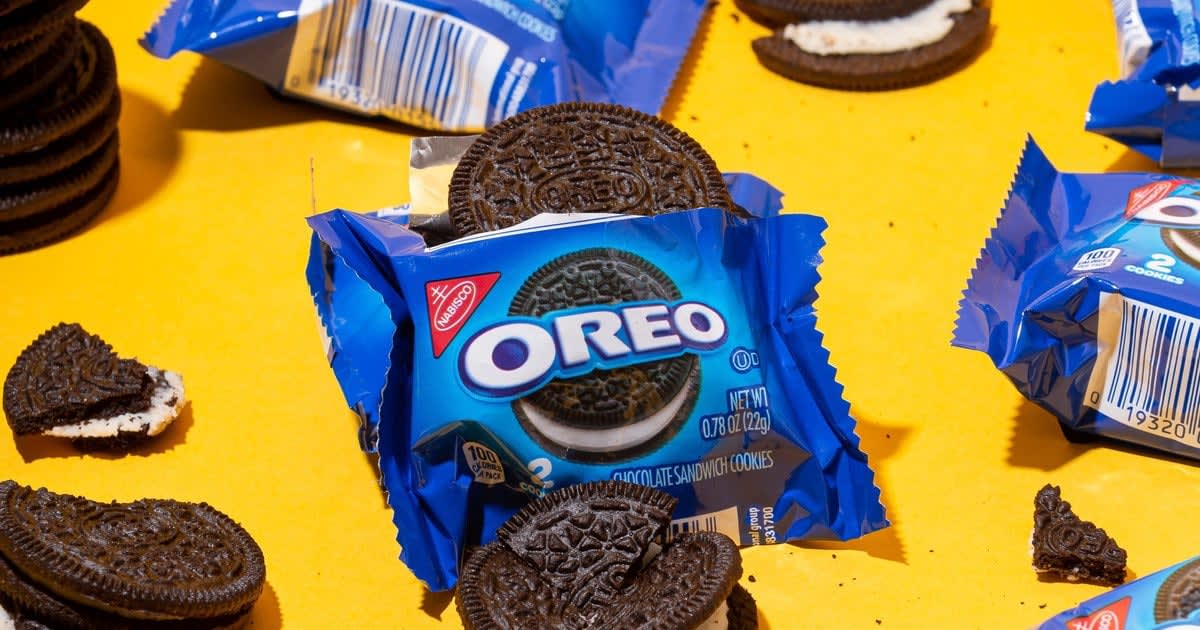
The shift extends beyond chocolate bars. Plastic trays for boxed chocolates from brands like Milka and Suchard now contain around 80% recycled PET plastic. Even cookie favorites like Chips Ahoy and Oreo made the switch.
Mondelēz achieved its global goal of 5% recycled content in product packaging across its entire European division. The company now operates in six major markets including the UK, France, Spain, Germany, Austria, and Switzerland.
The company uses two recycling technologies to make this possible. Mechanical recycling collects and reprocesses used plastics into new materials. Chemical recycling breaks plastics down to molecular building blocks, making them safe for direct food contact again.
Catherine Burgeat, Sustainability Senior Director for Europe at Mondelēz, says replacing virgin plastic trays with recycled alternatives represents a major step toward a circular packaging economy. The company worked closely with suppliers and partners to turn sustainability goals into practical results.
The Ripple Effect
Mondelēz isn't stopping at recycled content. The company is testing innovative solutions across Europe to make packaging even more sustainable.
In Germany, Philadelphia cream cheese tubs are part of a pilot program using digital watermarks. These invisible codes help sorting machines identify packaging types more accurately, improving recycling rates and creating more food-grade recycled plastic for future use.
The initiative aligns with Europe's evolving regulations around recyclability and recycled content requirements. As expectations rise for sustainable packaging, major brands are proving that large-scale change is possible without compromising product quality or safety.
Other snack and food companies are watching closely as Mondelēz demonstrates that recycled packaging works at massive scale across diverse product lines.
When the world's biggest snack brands prove sustainability works, the entire industry moves forward together.
More Images

Based on reporting by Google News - Plastic Reduction
This story was written by BrightWire based on verified news reports.
Spread the positivity!
Share this good news with someone who needs it