South Korea Cuts Virgin Plastic Use 30% by 2030
South Korea just announced an ambitious plan to slash new petroleum-based plastics by over 30% within four years, pivoting toward recycled materials instead. The roadmap responds to recent supply shocks from Middle East conflicts while tackling the country's oil-dependent plastic economy.
South Korea is taking a major step away from oil-based plastics with a bold new plan that could reshape how the nation produces everything from packaging to garbage bags.
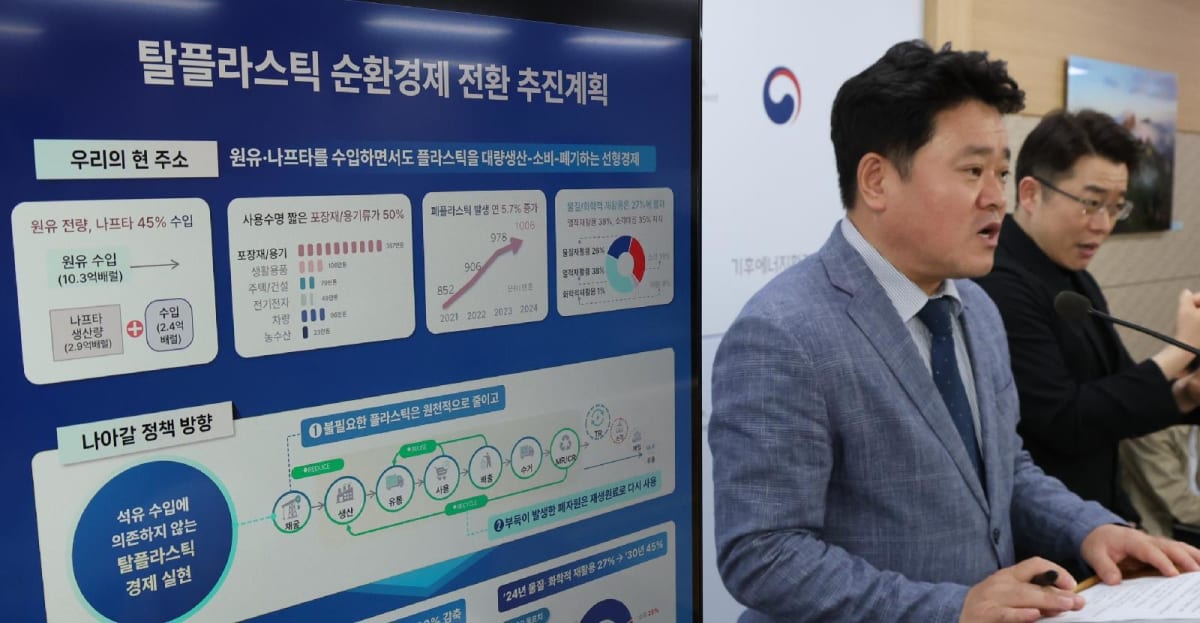
The government announced Tuesday it will reduce virgin plastic materials made from naphtha by more than 30% by 2030. Virgin materials are products created by cracking naphtha extracted from crude oil, as opposed to recycled alternatives.
Minister of Climate, Energy and Environment Kim Sung-whan presented the roadmap during a Cabinet meeting, highlighting how recent Middle East conflicts exposed vulnerabilities in the country's petroleum-dependent plastic supply chain. When conflicts disrupted oil supplies, South Korea faced shortages of basic items like standard garbage bags.
The transition won't be easy, but the government is making it financially feasible. Officials plan to bridge the price gap between virgin and recycled materials by tapping into reserve funds accumulated through the Extended Producer Responsibility system, where manufacturers pay fees for hard-to-recycle products.
Waste disposal charges will also get a makeover. Currently hovering around 150 won per kilogram for general items, the fees will be subdivided based on product lifespan. Short-lived single-use items will face higher charges to discourage their production, while longer-lasting products get lower rates.
Manufacturers who embrace recycled materials will see stronger incentives too. The government is increasing reduction rates for companies that exceed certain thresholds of recycled material usage, making the green choice the economically smart choice.
The government allocated 13.8 billion won this year specifically for upgrading production facilities at garbage bag manufacturers. Each company surveyed in the current demand study can expect around 70 million won in support, with facility transitions expected to wrap up within the year since installation takes about four months.
The Ripple Effect
This shift extends beyond manufacturing floors into everyday life. The government plans to expand reusable container programs starting with public funeral halls, where only 10% of the country's 1,075 facilities currently use reusable tableware. Voluntary agreements will help scale this number up significantly.
Coffee lovers will notice changes too. Around 20 franchise brands are expanding tumbler discount programs to encourage people to bring their own cups rather than using disposables.
The originally proposed cup price labeling system, which would have shown cup costs separately on menus, was shelved after industry pushback. Instead, officials chose the collaborative discount approach that rewards sustainable behavior without forcing transparency that businesses found challenging to implement.
South Korea's plastic pivot demonstrates how supply chain disruptions can spark positive environmental action when paired with smart policy and financial support.
Based on reporting by Google News - Plastic Reduction
This story was written by BrightWire based on verified news reports.
Spread the positivity!
Share this good news with someone who needs it