Cairo and Shanghai Medical Schools Partner on Training
Egypt's historic Kasr Al-Ainy Faculty of Medicine just partnered with China's Shanghai Jiao Tong University to modernize healthcare training and launch joint research programs. The collaboration promises to upgrade medical education across both nations while sharing clinical expertise that could transform patient care.
Two of the world's most storied medical institutions are joining forces to train the next generation of doctors and nurses.
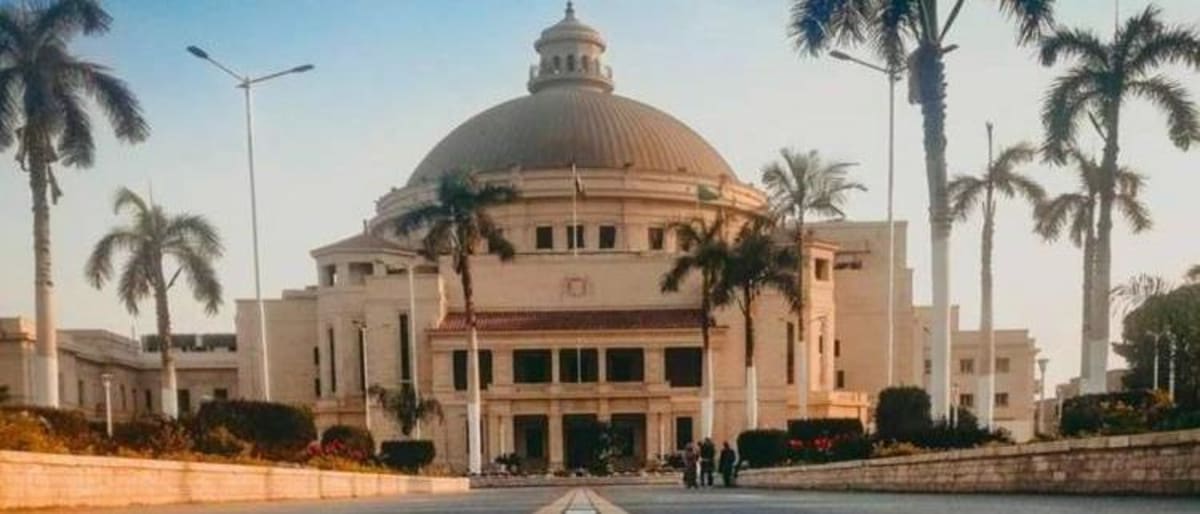
Cairo University's Kasr Al-Ainy Faculty of Medicine recently completed a groundbreaking visit to Shanghai Jiao Tong University in China. The trip resulted in a new partnership focused on medical education, clinical training, and cutting-edge research collaboration.
Kasr Al-Ainy brings serious credentials to the table. Founded in 1827, it's one of Africa's oldest medical schools and has a nearly 200-year legacy of fighting diseases and epidemics across the Middle East and North Africa.
Cairo University President Mohamed Sami Abdel Sadek explained that this historical expertise creates a strong foundation for working with global medical leaders. The partnership fits into the university's broader strategy to collaborate with top international institutions and launch joint degree programs.
Dean Hossam Salah led the Egyptian delegation on tours of Shanghai Jiao Tong's affiliated university hospital. His team held direct talks with Chinese counterparts about programs that could modernize healthcare delivery and internship training back home.
The partnership will focus on three main areas. First, both schools will develop co-sponsored graduate studies and research initiatives that draw on each institution's unique strengths. Second, they'll create training programs for medical and nursing staff to share clinical best practices across borders.
Third, Egyptian administrators will study the latest operational and therapeutic management models used in Chinese university hospitals. These insights could help Cairo modernize how it delivers patient care and manages complex medical facilities.
The Ripple Effect
This collaboration extends far beyond two universities exchanging ideas. Egypt serves 102 million people and anchors healthcare systems across North Africa and the Arab world. China's medical schools train doctors who serve over 1.4 billion patients.
When institutions of this scale share knowledge, the benefits multiply rapidly. Training programs developed in Cairo and Shanghai could be adapted by other medical schools across Africa, Asia, and the Middle East. Research breakthroughs achieved through joint initiatives could improve treatments for diseases affecting billions.
The partnership also strengthens global health infrastructure at a critical time. As the world faces emerging health challenges, collaboration between experienced medical institutions creates resilient networks for sharing solutions quickly.
For medical students and young doctors in Egypt, the partnership opens doors to world-class training opportunities and international research collaborations that weren't available before. That investment in the next generation of healthcare workers will pay dividends for decades.
Two ancient centers of learning are proving that the future of medicine is collaborative, not competitive.
More Images
Based on reporting by Egypt Independent
This story was written by BrightWire based on verified news reports.
Spread the positivity!
Share this good news with someone who needs it