Cal Poly Humboldt Cuts Campus Emissions 32% Since 2017
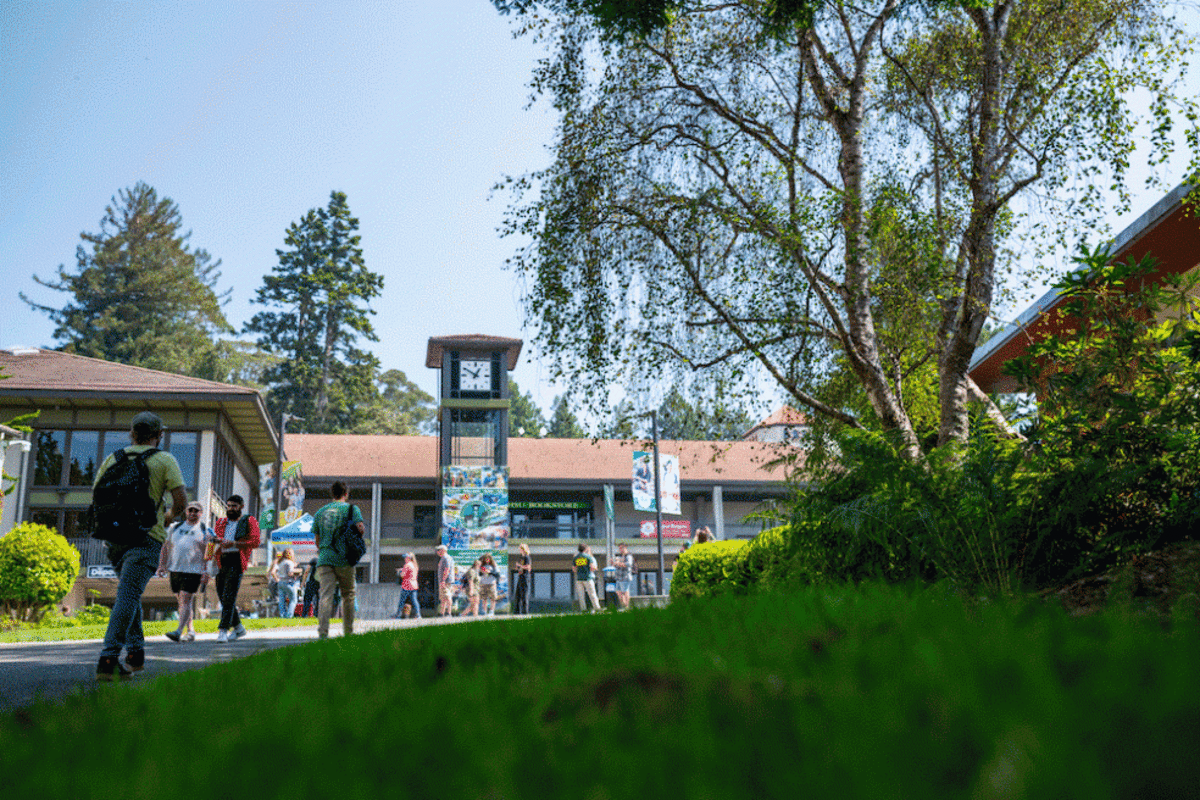
A California university is proving climate goals can become reality, slashing greenhouse gas emissions by nearly a third in under a decade. Cal Poly Humboldt just released a progress report showing it's on track to achieve carbon neutrality by 2045.
Cal Poly Humboldt has cut its greenhouse gas emissions by 32% since 2017, proving that ambitious climate action plans can deliver real results.
The Northern California university released its latest progress report four years after launching Climate Action Plan 2.0. The numbers tell a story of sustained commitment: 58% of the plan's 148 actions are now complete, and the campus has already achieved its 2020 goal of reducing emissions to 1990 levels.
The reductions stem from practical changes across campus operations. Natural gas use has dropped significantly while renewable electricity purchases have climbed. The university switched to more efficient fleet vehicles, improved public transit access, and made walking and biking easier on campus.
"The reduction in net greenhouse gas emissions since 2017 demonstrates that the strategies outlined in CAP 2.0 are producing measurable results," said Morgan King, Climate Action Analyst at Cal Poly Humboldt. The university is also bringing climate equity and environmental justice into the conversation campuswide.
The biggest emissions cuts are just getting started. Nearly two-thirds of the Buildings, Energy & Fuels initiatives are complete, including replacing natural gas boilers with electric heat pumps and expanding solar energy generation with battery storage through a new microgrid.
Beyond carbon, the university has made impressive strides in other sustainability areas. The campus diverted construction waste from landfills, expanded sustainable purchasing practices, and implemented a Zero Waste Action Plan. Seventy-two percent of solid waste and purchasing actions are finished.
The Ripple Effect
Cal Poly Humboldt isn't just changing its own campus. The university has woven sustainability throughout its curriculum and research programs, with 73% of academic sustainability actions complete. Students are graduating with the knowledge and skills to tackle climate challenges in their own communities and careers.
The climate resilience work extends beyond carbon counting. The university is strengthening emergency preparedness, restoring local ecosystems, improving stormwater management, and addressing food and housing security to help the campus weather climate-related disruptions.
This fall, the university will update its climate plan through working groups and open forums involving students, faculty, staff, Tribal Nations, local governments, and community organizations. The process will explore emerging technologies and new approaches to push progress even further.
"Humboldt has done much already that we should be proud of and celebrate," King said. "But now it is time for us to go further, to leave fossil fuels behind and to achieve a carbon-free campus that also prepares our students with the knowledge and skills necessary to navigate a climate-constrained world."
More Images


Based on reporting by Google News - Emissions Reduction
This story was written by BrightWire based on verified news reports.
Spread the positivity!
Share this good news with someone who needs it