Ethiopia's Green Cities Inspire African Urban Development
A decade of tree planting and smart infrastructure has transformed Ethiopia's capital into a model for sustainable city growth. UN official says Addis Ababa proves African cities can expand while protecting the planet.
After 10 years living in Addis Ababa, UN Economic Commission for Africa Communication Officer Ernest Chi Cho has watched Ethiopia's capital transform into something remarkable. The city now stands as proof that African nations can grow their cities without sacrificing green spaces or clean air.
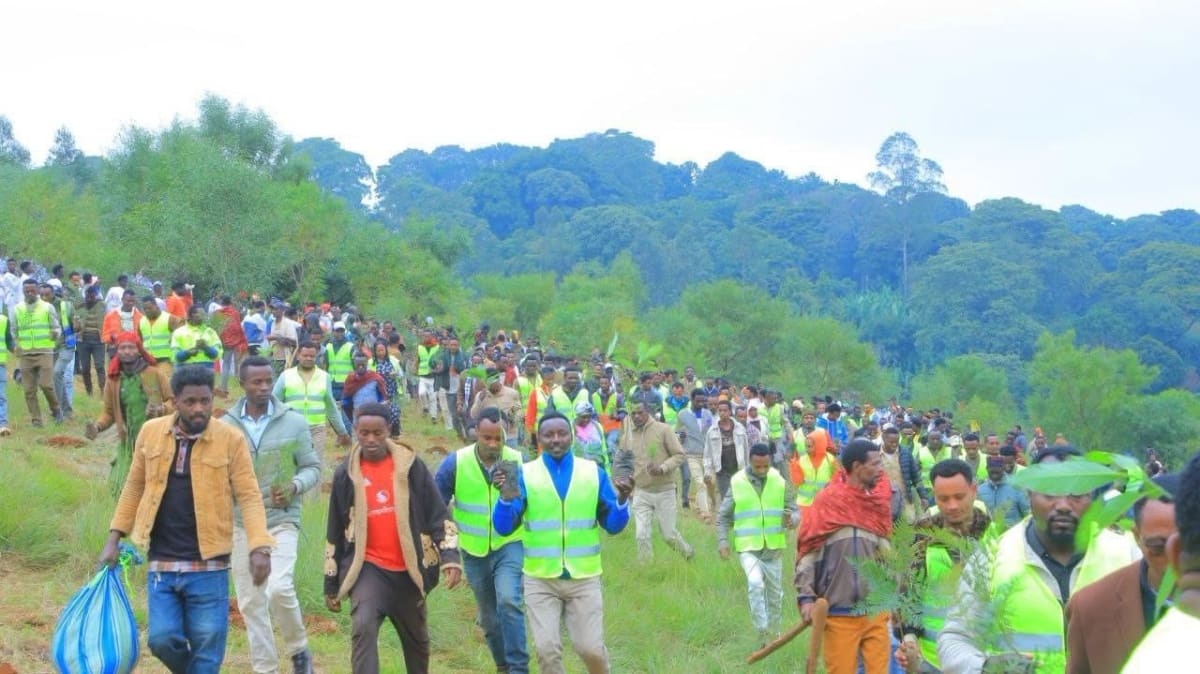
The change started with Ethiopia's Green Legacy initiative, which planted millions of trees across urban areas while upgrading roads, parks, and public facilities. Cho describes walking through neighborhoods where children now play in safe parks surrounded by greenery, a stark contrast to the city he first encountered in 2016.
The infrastructure improvements go beyond aesthetics. Addis Ababa expanded its electrical grid throughout the city while simultaneously rolling out policies to promote electric vehicles, tackling both development and climate goals at once.
"I moved to Ethiopia, Addis Ababa, 10 years ago. Over the years, I have seen how the city has evolved," Cho told the Ethiopian News Agency. He points to safer roads, widespread electrification, and recreational spaces that simply didn't exist a decade ago.
The transformation extends to how people move through the city. Ethiopia's push for electric vehicles supports its climate commitments while keeping urban air cleaner, what Cho calls a "brilliant endeavor" that other nations are now studying.
Ethiopia's success isn't limited to green spaces. The country's aviation sector has become another source of national pride, with Ethiopian Airlines earning international recognition for stable management and steady growth. Bole International Airport showcases the same attention to development standards visible throughout the capital.
The Ripple Effect
Other African nations are taking notice. Cho emphasizes that Ethiopia's approach offers a replicable template for cities across the continent facing similar challenges of rapid urbanization and environmental protection.
The model proves especially valuable because it addresses multiple goals simultaneously. Cities can expand infrastructure, create jobs, improve quality of life, and protect the environment without choosing between them.
Cho acknowledges one remaining challenge: ensuring the development benefits everyone equally. He stresses that policymakers must focus on inclusive approaches as cities continue growing.
Ethiopia's decade of urban transformation shows that African cities can lead the way in sustainable development, not just follow examples from elsewhere.
More Images

Based on reporting by Regional: ethiopia development (ET)
This story was written by BrightWire based on verified news reports.
Spread the positivity!
Share this good news with someone who needs it