California Builds World's Deepest Floating Wind Farm
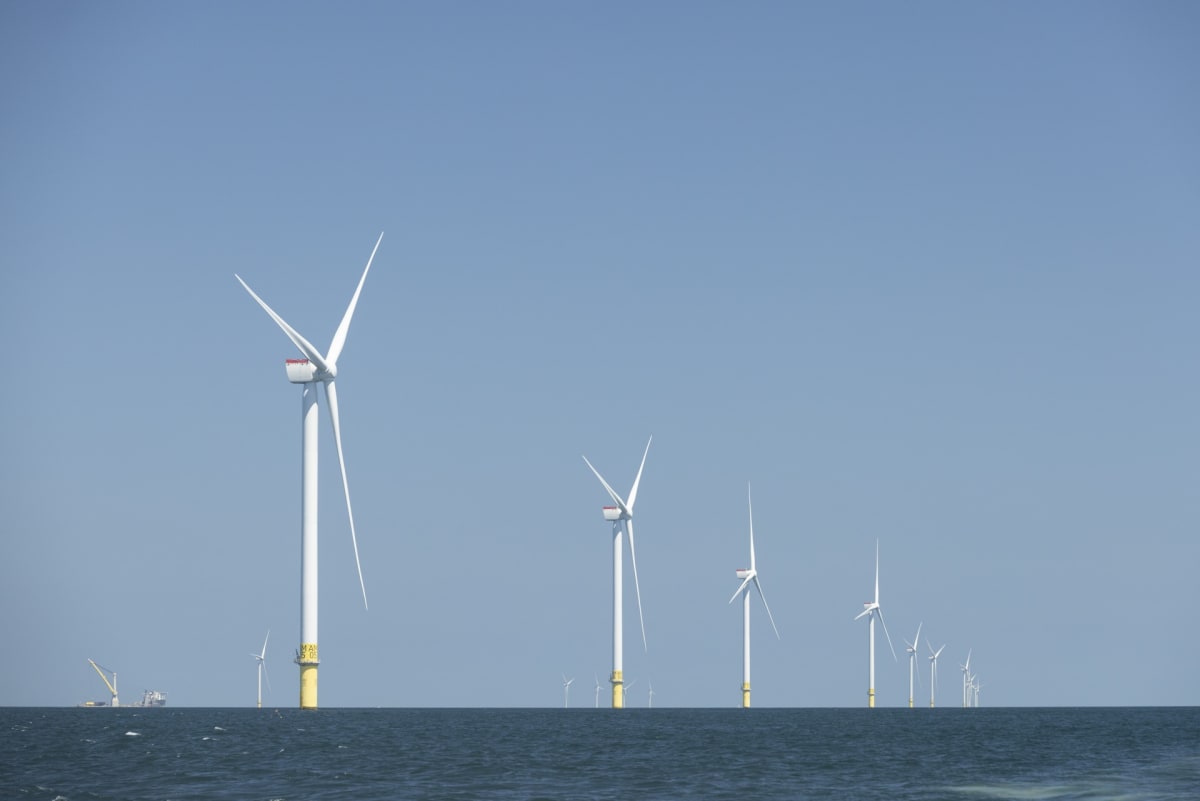
California is transforming a quiet coastal bay into a massive clean energy hub with hundreds of floating wind turbines taller than the Eiffel Tower. The project aims to power 25 million homes and help the state reach 100% clean energy by 2045.
California is about to build something the world has never seen: a floating wind farm in some of the deepest ocean waters ever attempted.
Humboldt Bay, a quiet stretch of Northern California coastline known for eelgrass and osprey nests, will soon become the assembly point for hundreds of massive wind turbines. Each turbine will stand as tall as Los Angeles's tallest skyscrapers before being towed into the Pacific Ocean.
The project is a key piece of California's ambitious goal to achieve 100% carbon neutrality by 2045. The state plans to generate 25 gigawatts of offshore wind energy by that deadline, enough electricity to power about 25 million homes.
Nearly all of that power will come from five lease areas in federal waters near Humboldt and Morro bays. The turbines will float on deep-water platforms, a cutting-edge technology that allows wind farms to operate where the ocean floor drops away dramatically.
The scale of the project is staggering. California will need to build about 400 miles of new transmission lines to carry the electricity from ocean to grid. Private companies are already preparing to erect the towering turbines in the bay before deployment.
The Ripple Effect
This isn't just about California's energy future. The floating wind technology being pioneered here could unlock offshore wind potential in coastal regions worldwide where waters are too deep for traditional fixed turbines.
The project represents one of the most significant clean energy infrastructure investments in state history. It shows how coastal regions can harness their natural wind resources without the shallow water requirements that have limited offshore wind development elsewhere.
Major private players are already investing in the region's transformation into a clean energy manufacturing hub. The bay area is preparing for an influx of specialized jobs in turbine assembly, marine operations, and grid infrastructure.
While some local tribes and community members have raised concerns about environmental and cultural impacts, and the project recently lost $427 million in federal backing, supporters say the technology offers a path forward for large-scale renewable energy that doesn't require vast amounts of land.
Why This Matters
The Humboldt Bay project demonstrates that even after setbacks, ambitious climate solutions can move forward. California is betting that floating wind technology can help solve one of clean energy's biggest challenges: generating massive amounts of power without displacing communities or consuming precious land resources.
If successful, the project will prove that deep-water floating wind farms are viable at scale, potentially opening up thousands of miles of coastline worldwide to clean energy development.
A peaceful bay is about to become the birthplace of an energy revolution that could change how coastal regions everywhere think about their climate future.
More Images


Based on reporting by Google News - Wind Energy
This story was written by BrightWire based on verified news reports.
Spread the positivity!
Share this good news with someone who needs it