California Condor Topa Topa Turns 60, Saved His Species
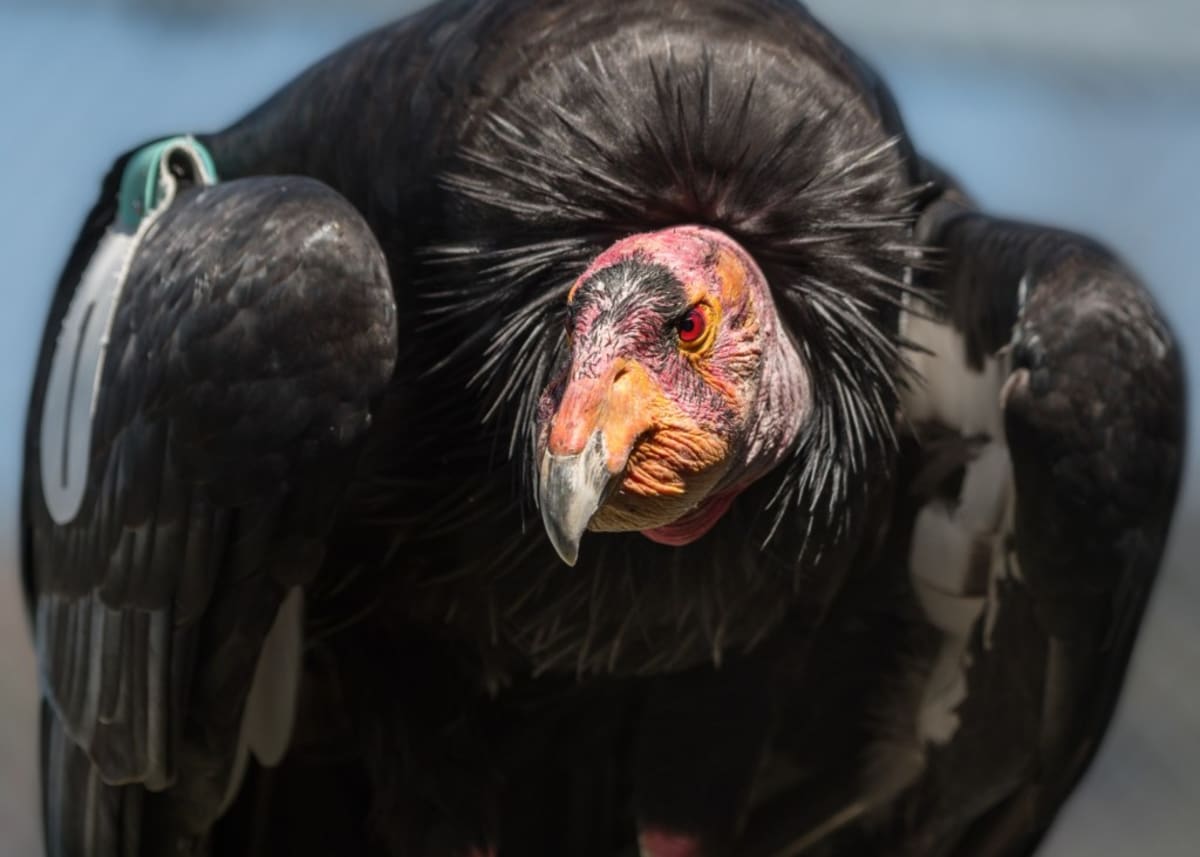
A malnourished condor rescued in 1967 just became the world's oldest California condor at 60 years old. His legacy includes 300 descendants, with 94 flying free in the wild today.
A scrawny, starving bird rescued from the Ventura County mountains in 1967 just celebrated his 60th year and a legacy that saved an entire species from extinction.
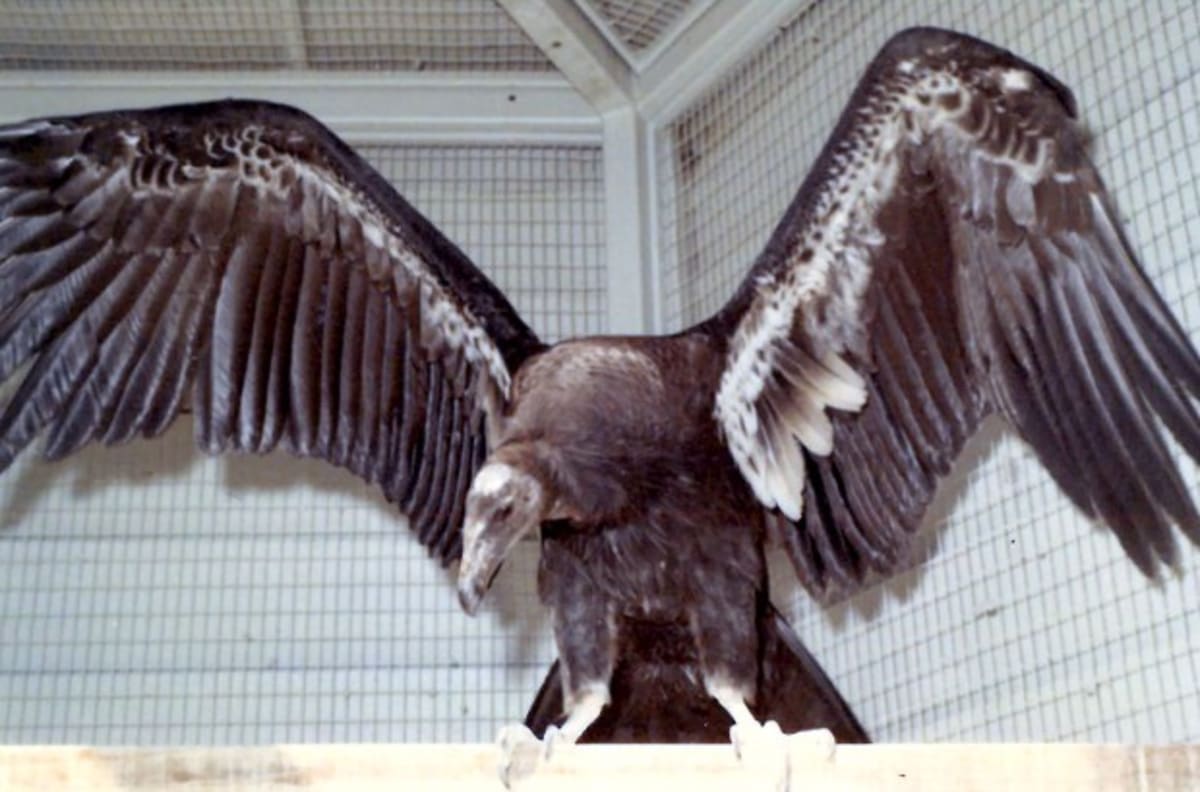
Topa Topa, the first California condor to ever live in a zoo, arrived at the Los Angeles Zoo weighing just 17 pounds that year. It was the same year California condors were officially classified as endangered in the United States.
Fred Sibley, leader of the U.S. Fish and Wildlife Service's Endangered Species Program, and John Boreman from the Audubon Society captured the weak young bird and brought him to the LA Zoo. What happened next changed conservation history.
Over his six decades, Topa Topa fathered roughly 300 birds. Today, 100 of his descendants actively participate in the recovery program as mentors or breeding condors.
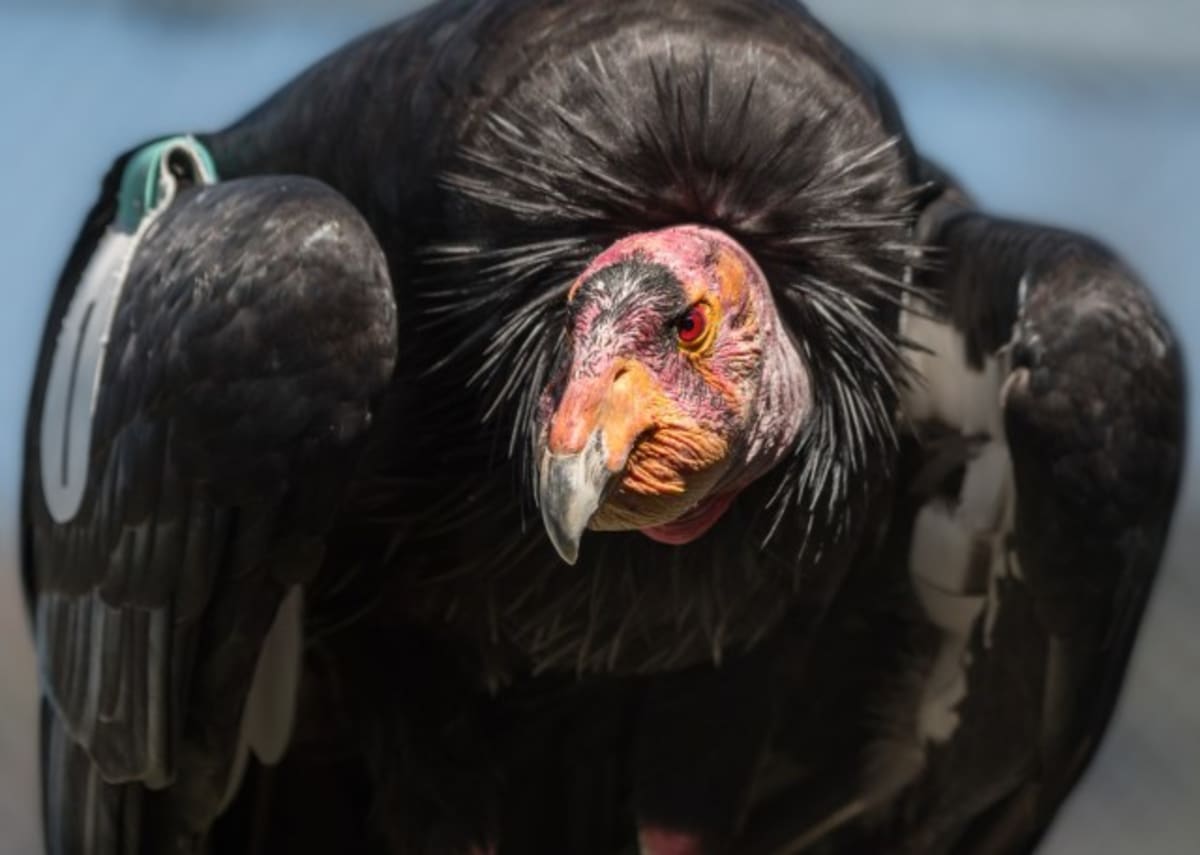
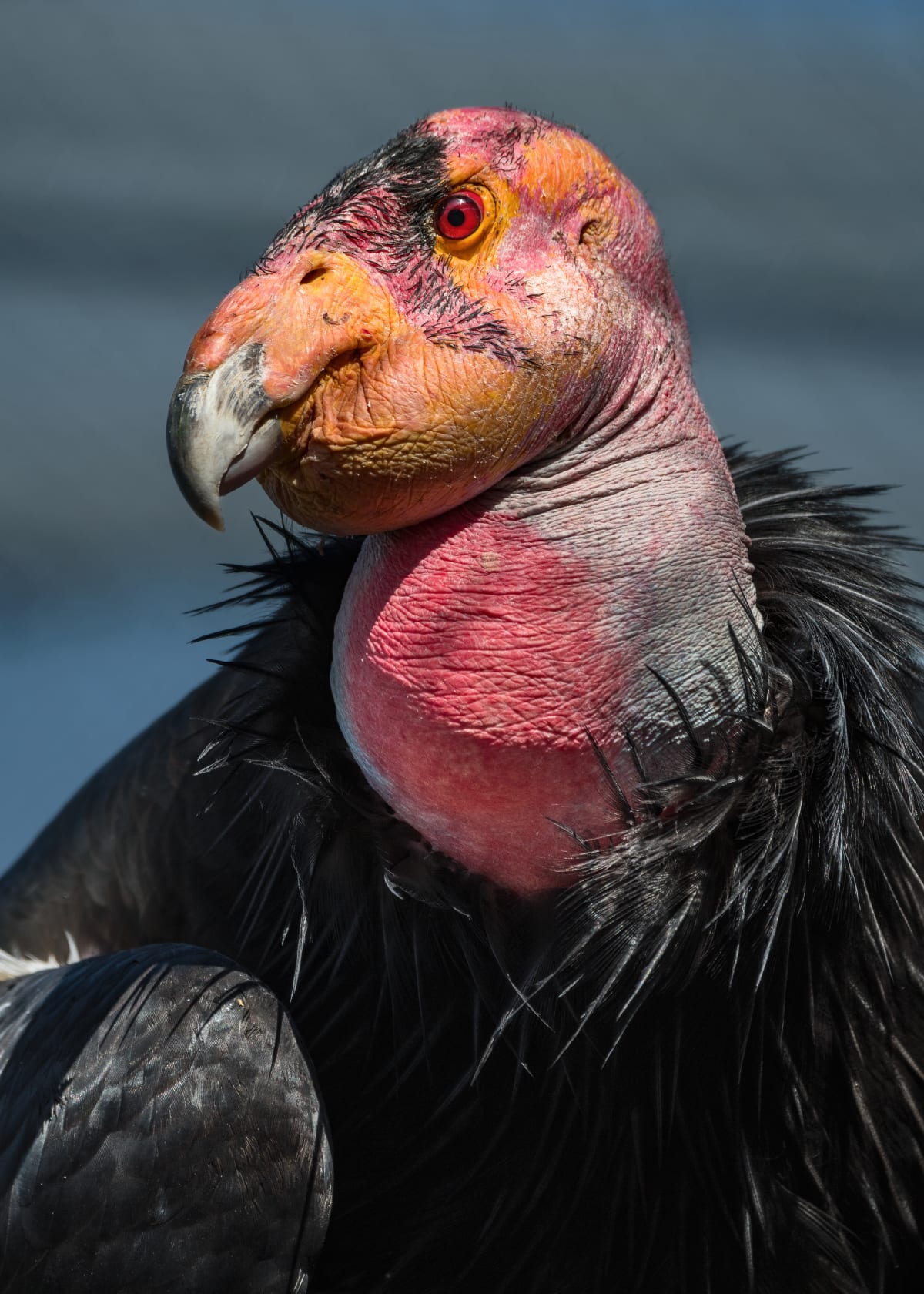
Even more remarkable: 94 of his offspring soar freely through California skies right now. These magnificent birds, with wingspans stretching up to 10 feet, were on the brink of disappearing forever.
The Ripple Effect
Topa Topa's rescue sparked something bigger than saving one bird. He became the founding member of the U.S. Fish and Wildlife Service's California Condor Recovery Program, turning the LA Zoo into ground zero for condor conservation.
"When I think of the California Condor Recovery Program, Topa Topa is one of the first things that comes to mind," said Rose Legato, curator of birds at the LA Zoo. She explains that public awareness about the condor's plight grew alongside Topa Topa's story in the 1960s.
His six decades of life created ripples that extended far beyond one zoo. Zoo experts learned how to care for these giant scavengers, how to breed them successfully, and how to prepare their offspring for wild release.
The program that started with one sick bird has now returned nearly 100 of his descendants to their natural habitat. They glide over the same California mountains where Topa Topa was found struggling to survive.
"His story is not only a celebration; it is a reminder of the critical work we still need to do to fully save the California condor," Legato said.
One rescued bird, 60 years of dedication, and hundreds of second chances soaring overhead prove that conservation works when we commit to the long journey.
More Images
Based on reporting by Google News - Recovery Story
This story was written by BrightWire based on verified news reports.
Spread the positivity!
Share this good news with someone who needs it