NSW Scientists Rescue Isolated Kangaroo Mob with New Plan
A beloved kangaroo mob trapped by urban development is getting healthier thanks to a groundbreaking contraception program. What started as 75% of the animals suffering from anemia has dropped to 55% in just two years.
Scientists are saving a trapped kangaroo mob on Australia's coast using an approach that's never been tried at this scale before.
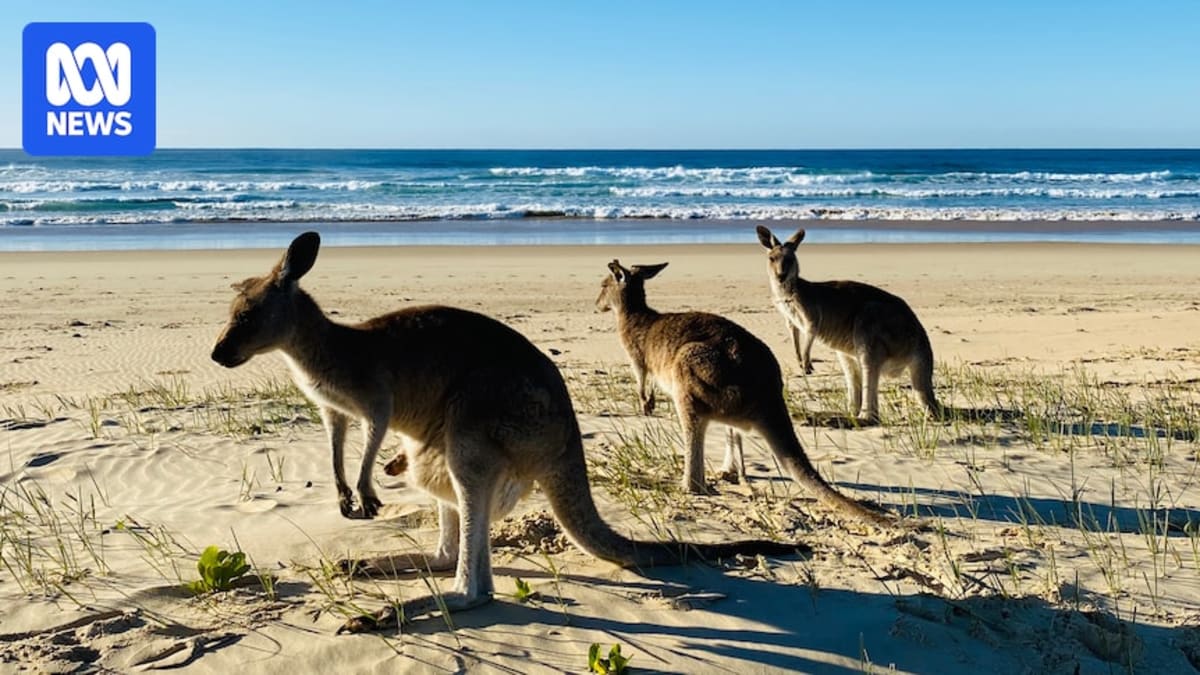
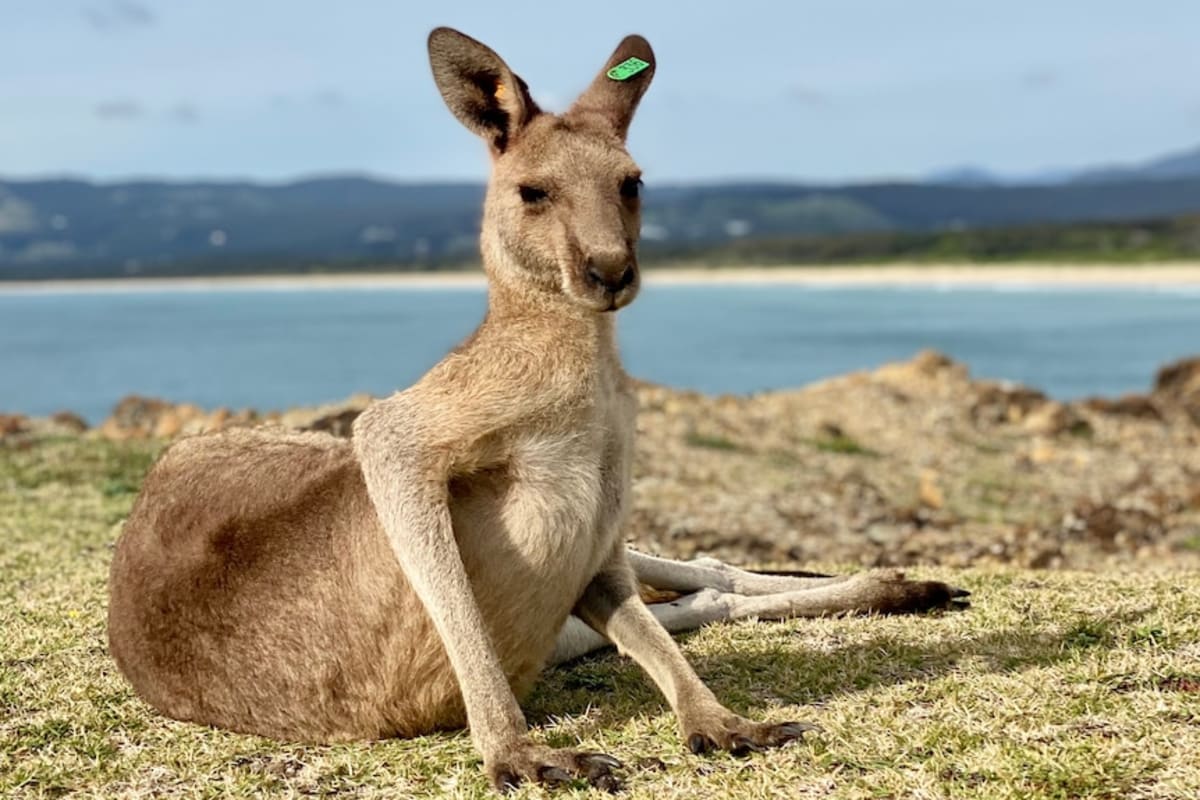
The 100 eastern grey kangaroos at Look At Me Now Headland near Coffs Harbour have become accidental prisoners of progress. Highways and housing developments slowly boxed them into a shrinking habitat where they can't find enough food. Tourists love photographing them against the sapphire ocean, but wildlife experts saw malnourished animals struggling to survive.
Professor Catherine Herbert from the University of Sydney has spent nine years studying the mob. She discovered the kangaroos were eating the same overgrazed patches where they defecated, leading to parasites and ticks that made them chronically sick.
Rather than culling the animals, Herbert and NSW National Parks partnered on something more hopeful. They started treating female kangaroos with long-acting contraceptive injections, carefully selecting only those not raising joeys.
The results are already showing. In two years, researchers have treated 39 females, about two-thirds of the breeding population. The percentage of anemic kangaroos has dropped from 75% to 55%.
The Bright Side
This isn't just about one mob of kangaroos. Urban wildlife populations face similar pressures worldwide as cities expand into natural habitats. The contraception approach offers a humane blueprint that other communities could follow.
The method lets the population decline gradually and naturally. No animals are removed or harmed. The existing kangaroos can live out their lives while the mob slowly shrinks to a sustainable size for their limited habitat.
Professor Herbert says the contraceptive is working well, and now it's about finding the right balance. As the population stabilizes, there will be less competition for food and fewer parasites spreading through crowded conditions.
The kangaroos are already showing small behavioral changes, venturing slightly further to find better grass. While they're still not fully healthy, the trajectory is finally pointing upward after years of decline.
What started as a crisis for an isolated wildlife population has become a living laboratory for compassionate conservation.
More Images



Based on reporting by ABC Australia
This story was written by BrightWire based on verified news reports.
Spread the positivity!
Share this good news with someone who needs it