California Condors Nest in Northern California for First Time in 100+ Years
A pair of California condors are incubating the region's first wild egg in over a century, marking a major milestone for a species that once dwindled to just 22 birds. The hopeful parents, equipped with GPS trackers and given names meaning "She carries our prayers" and "At last I fly," are sharing parenting duties in Humboldt County.
For the first time in over 100 years, California condors are raising a family in Northern California, and scientists can barely contain their excitement.
A pair of condors named Ney-gem' 'Ne-chweenkah (meaning "She carries our prayers") and Hlow Hoo-let ("At last I fly") are incubating an egg in Humboldt County. The birds have been sharing parenting duties for nearly two months, taking turns keeping their precious cargo warm.
"I have been waiting for this moment since the first condors arrived in 2022," said Tiana Williams-Claussen, Wildlife Department Director for the Yurok Tribe. "As a scientist, I know I shouldn't get my hopes up too high, but that doesn't mean I can't cheer for these young parents' success."
This moment represents an incredible turnaround for a species that nearly disappeared forever. In 1982, only 22 California condors remained on Earth.
A captive breeding program literally saved these birds from extinction. Scientists took the remaining condors out of the wild, carefully bred them, and gradually reintroduced them across California.
The two new parents are both nearly seven years old, right on schedule since condors reach sexual maturity at six. They're among 26 condors released in Humboldt County as part of the Northern California restoration effort.
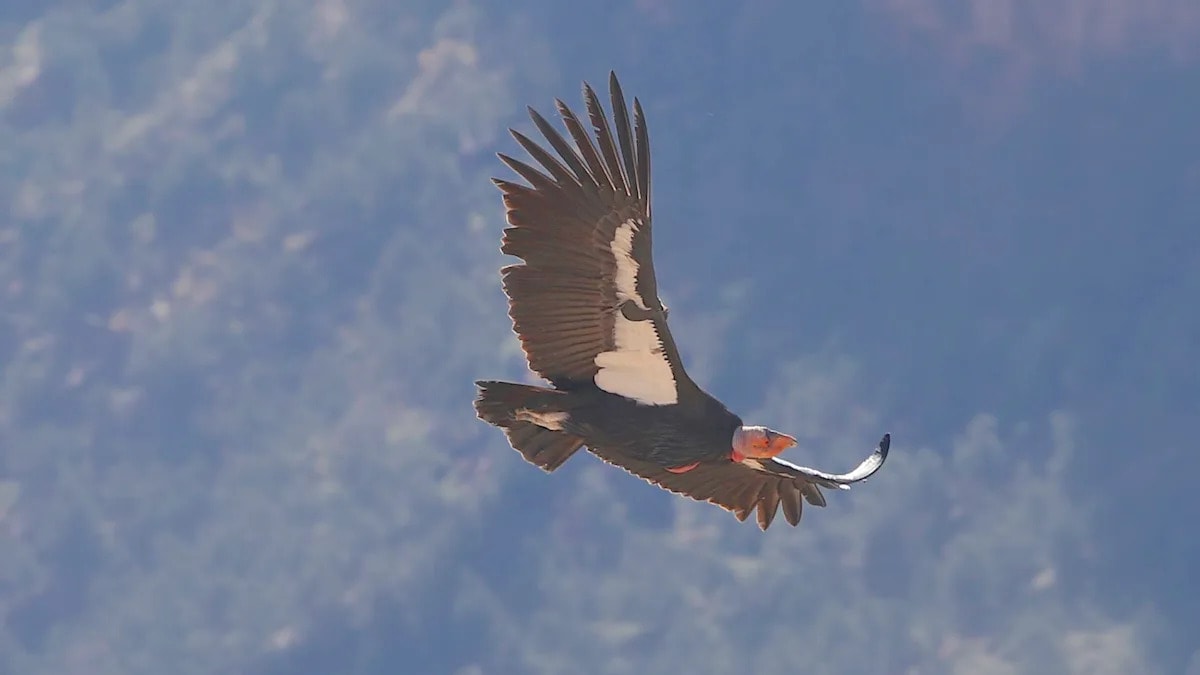
GPS trackers help scientists monitor the experienced pair as they navigate parenthood. With wingspans stretching nearly 10 feet, these magnificent birds are impossible to miss when they take flight.
Why This Inspires
This nesting attempt shows that conservation works when we commit to it. From 22 birds to thriving populations capable of reproducing naturally in the wild, California condors prove that even species on the brink can bounce back.
The biggest remaining threat is lead poisoning from hunters' ammunition. As scavengers, condors eat dead animals and can consume lead fragments left in carcasses.
California banned lead ammunition to protect these birds, though scientists remain cautious. Still, seeing natural reproduction return to Northern California after more than a century offers genuine hope.
Since condors can live over 50 years, this pair will have many more chances at raising chicks. They're just getting started.
Chris West, Northern California Condor Restoration Program manager, captured the magnitude perfectly: "This is a huge moment for our Northern California flock."
More Images



Based on reporting by Google: species saved endangered
This story was written by BrightWire based on verified news reports.
Spread the positivity!
Share this good news with someone who needs it