California Condors Thriving Thanks to Lead Ammo Bans
New research reveals that laws banning lead ammunition and public outreach campaigns are working to save California condors, even though it looked like they weren't. The birds' own wild instincts were hiding the good news all along.
Scientists just solved a puzzle that's been frustrating California condor conservationists for years: why were these critically endangered birds still dying from lead poisoning even after two ammunition bans?
The answer brings surprisingly good news. The laws and education campaigns have been working beautifully all along.
Researchers discovered that two major behavioral changes were masking the success. As condors became more comfortable in the wild, they started foraging further from protected areas and eating more wild pig carcasses. At the same time, more hunters were shooting wild pigs, leaving behind carcasses that sometimes contained lead fragments.
These shifts meant condors were exposed to more lead sources than before, like swimming harder against a stronger current. The bans and outreach efforts were pushing lead levels down, but the behavioral changes were pushing exposure back up.
When scientists accounted for these behavior shifts in their analysis, the truth became clear. Both the legislative bans on lead ammunition and public education campaigns significantly reduced lead levels in condor blood. These efforts are genuinely saving condor lives in California.
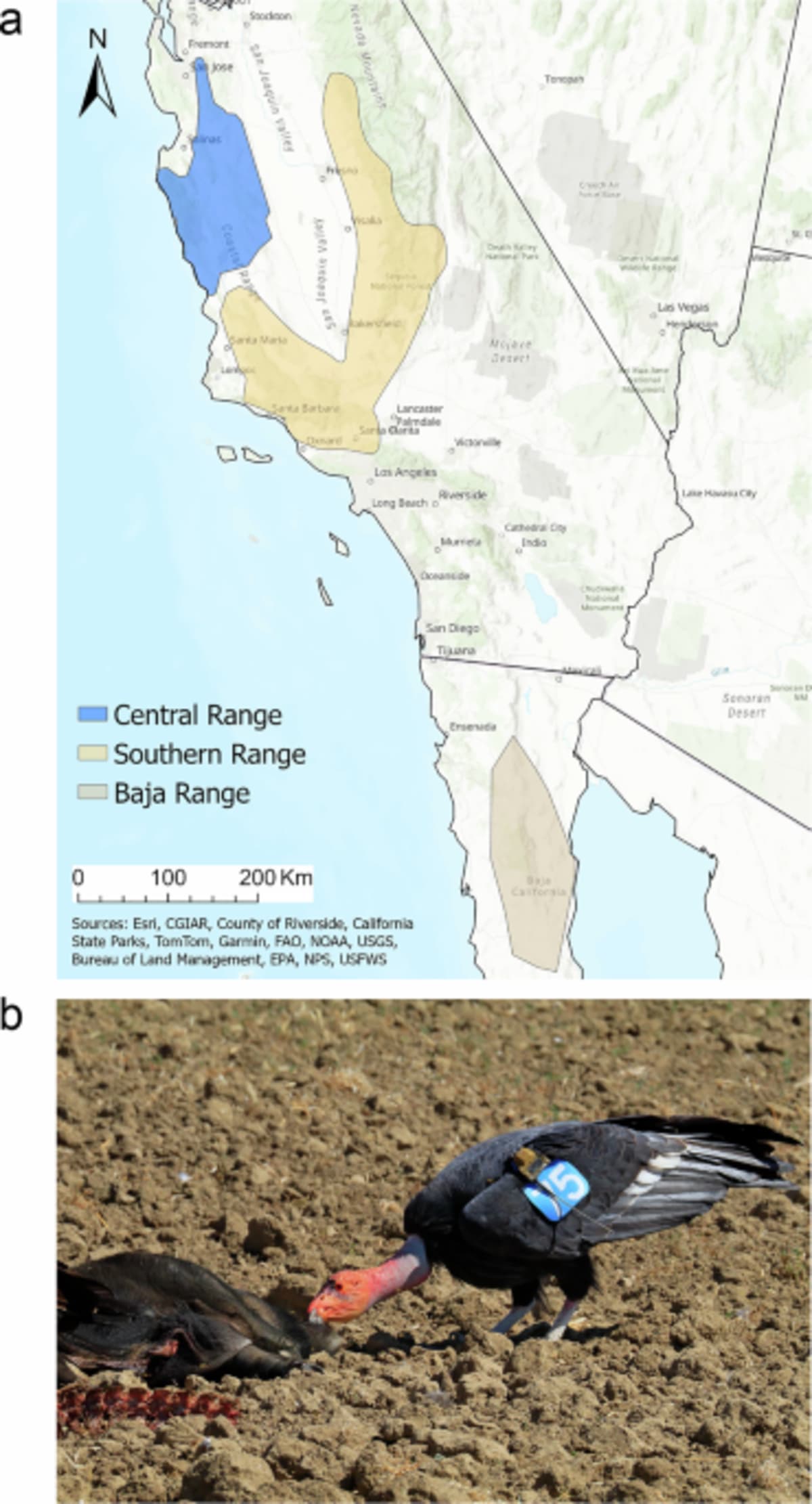
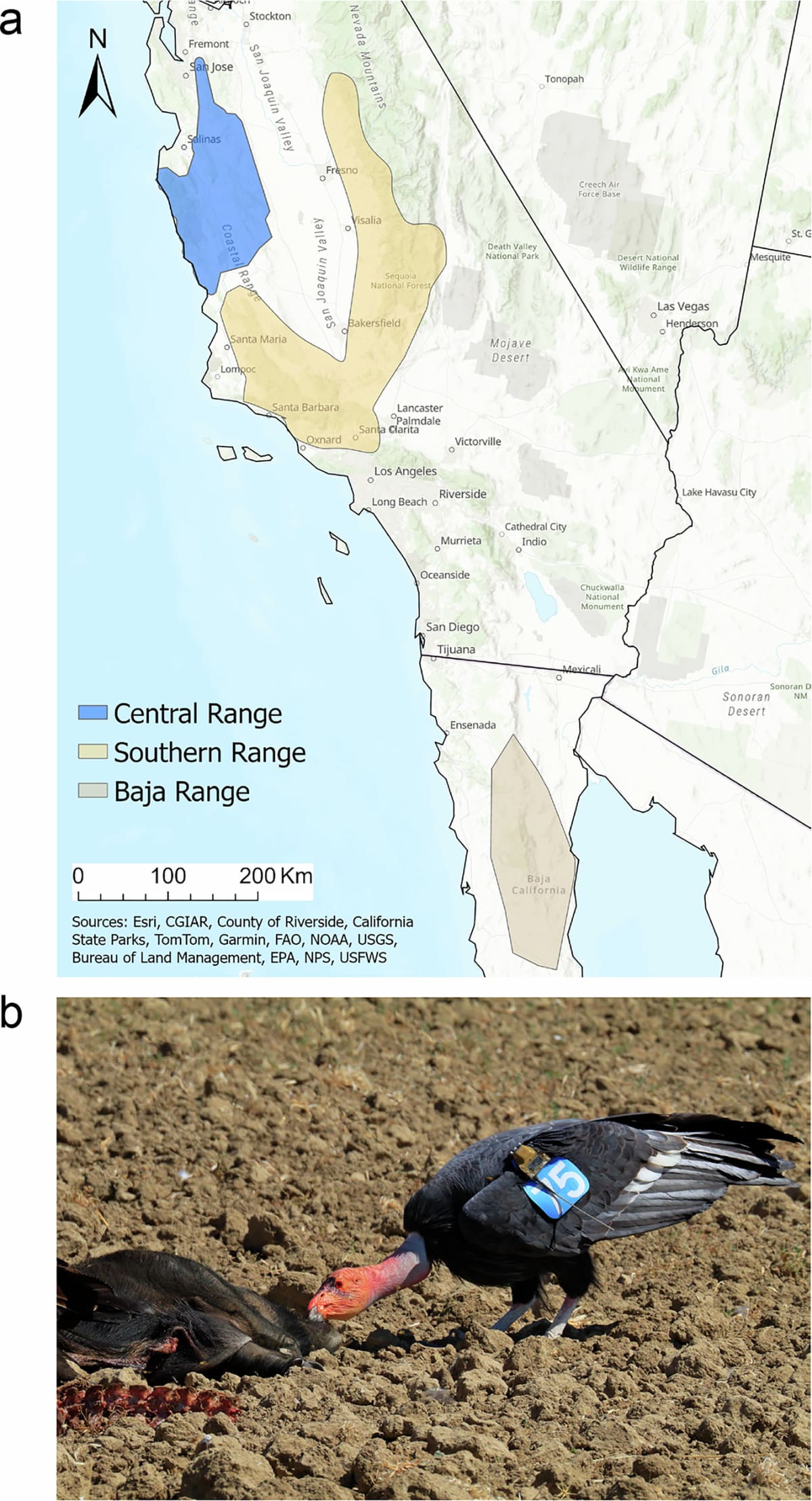
The study examined decades of data from the Central and Southern California condor flocks, two of the oldest and largest groups of these majestic birds. California condors nearly went extinct in the 1980s, with lead poisoning as a leading cause. Every condor is now monitored closely with wing tags and GPS tracking.
This research matters beyond condors. It reveals how conservation success can be hidden when animals and humans change their behavior in response to a rapidly changing world.
Why This Inspires
The findings prove that controversial conservation measures can work even when surface level data suggests otherwise. Hunters who switched to non-lead ammunition made a real difference, and public education campaigns changed behavior in measurable ways that saved lives.
The study also validates the enormous resources poured into condor recovery over three decades. What looked like failure was actually success fighting against new challenges. Conservation isn't always a straight line, but persistence and good policy still win.
Perhaps most encouraging is what this means for other endangered species facing similar threats. Avian scavengers like vultures have declined worldwide, primarily due to poisoning. This research provides a roadmap for understanding whether recovery actions are truly working, even when immediate results look discouraging.
Scientists can now apply these analytical methods to other conservation programs globally, potentially uncovering hidden successes and optimizing strategies for species recovery. Every bit of knowledge helps us protect the species we're fighting to save.
The California condor's story reminds us that doing the right thing matters, even when results aren't immediately obvious.
More Images
Based on reporting by Google News - Endangered Species Recovery
This story was written by BrightWire based on verified news reports.
Spread the positivity!
Share this good news with someone who needs it