California Creek Restoration Doubles Salmon Survival Rate
A damaged creek along California's redwood coast is now helping young salmon grow twice as fast and survive in numbers not seen in decades. Sometimes fixing nature's problems just means giving it room to work again.
Young salmon are thriving in a California creek that conservationists spent more than a decade bringing back to life, and the results are even better than scientists hoped.
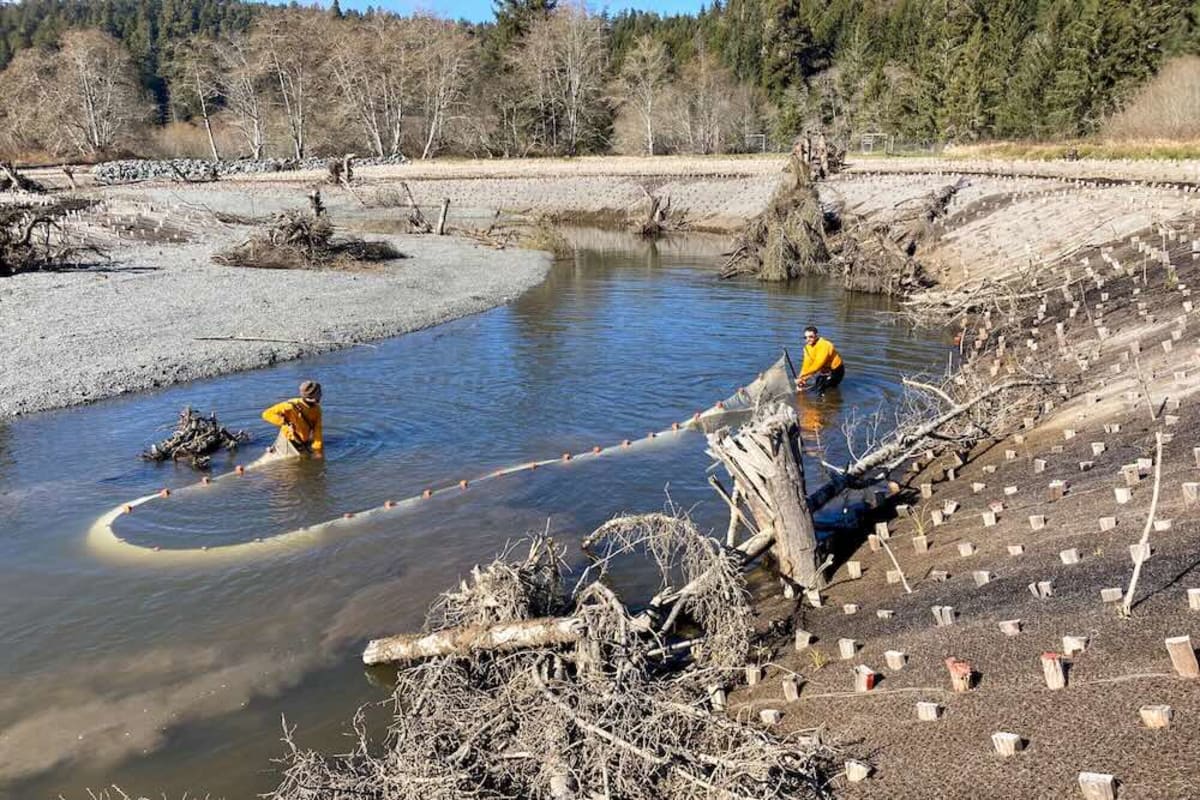
Prairie Creek, which winds through California's redwood coast, is one of the last refuges for three threatened salmon species. A former lumber mill had damaged the creek's natural flow, leaving young fish with fewer places to feed and hide before their dangerous journey to the Pacific Ocean.
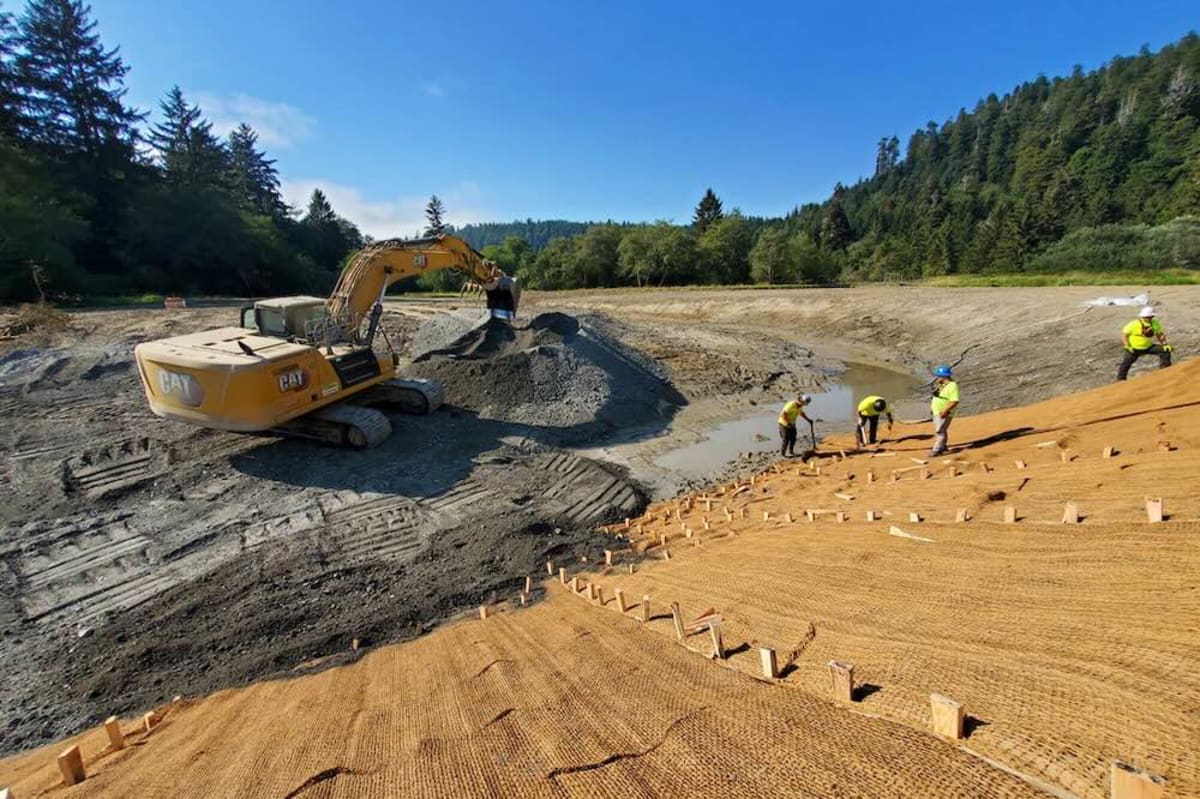
NOAA Fisheries and a coalition of partners transformed the industrial site into wetlands and restored the creek's floodplain. The team reconnected the water with its natural channels, ponds, and slow-moving areas where young salmon naturally thrive.
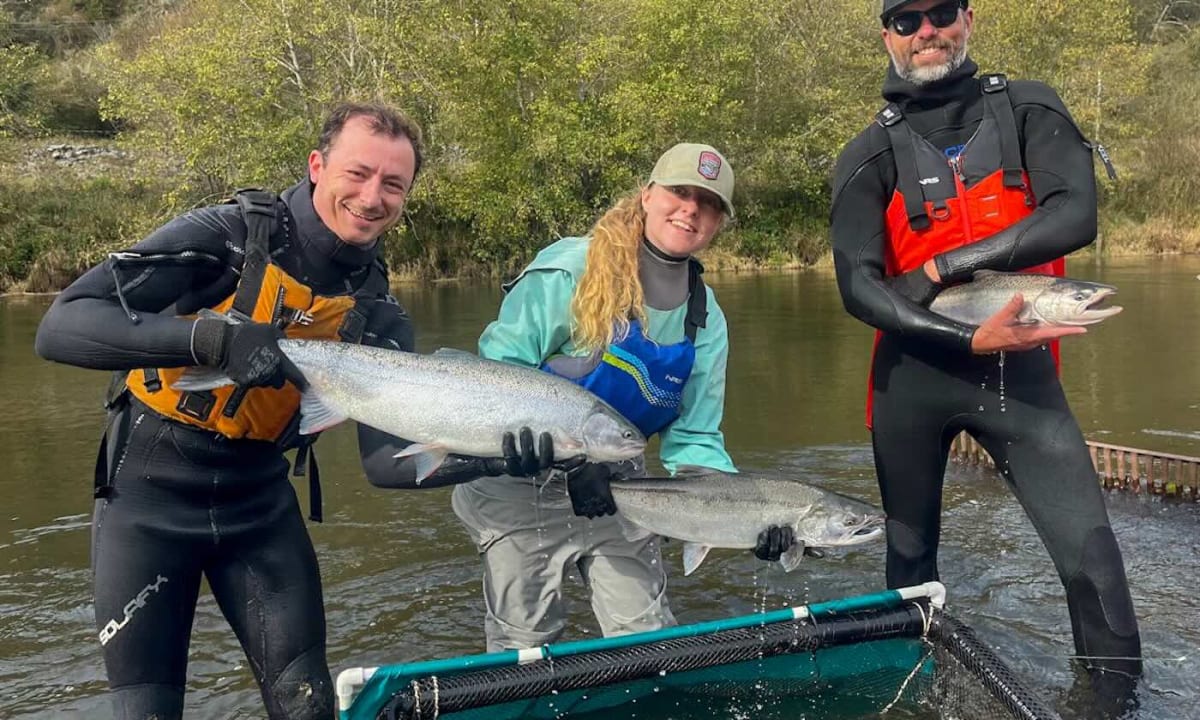
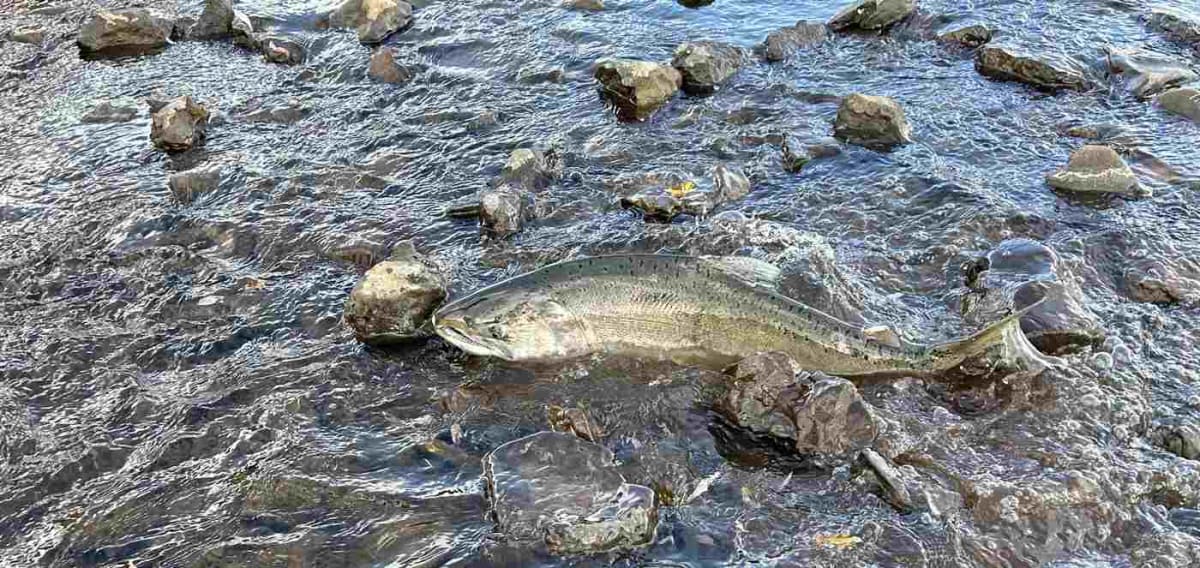
The difference has been dramatic. In certain sites and years, juvenile coho salmon using the restored areas grew up to twice as fast as fish stuck in the main channel, according to Carter Adamson, a fish biologist with the Pacific States Marine Fisheries Commission.
That extra growth matters far beyond the creek. Faster-growing young salmon are more likely to survive their ocean migration, more likely to survive their years at sea, and more likely to return home as adults to spawn.
Researchers from Cal Poly Humboldt tagged individual fish with tiny microchips and tracked their movements, growth, and survival. The monitoring revealed something even more encouraging than faster growth rates.
The Ripple Effect
About 2.6% of juvenile coho from the 2023 group survived their time in the ocean and returned as adults to spawn. Previous survival estimates hovered around just 1%, meaning the restoration appears to have doubled their chances of making it home.
The team will continue monitoring through at least 2028 to account for changing ocean conditions. This extended timeline will help scientists understand whether bigger juveniles consistently translate into more adult salmon returning to reproduce.
So far, the pattern is clear: give young salmon slow water, abundant food, and places to hide, and they don't just occupy restored habitat—they thrive there. The coho salmon population had declined by 90% over the last century, making these results especially meaningful for the species' future.
The restoration shows that sometimes saving an endangered species doesn't require complex new technology, just repairing what was damaged and letting nature do what it does best.
More Images

Based on reporting by Good News Network
This story was written by BrightWire based on verified news reports.
Spread the positivity!
Share this good news with someone who needs it