Water Voles Thrive in Surrey River After 20-Year Absence
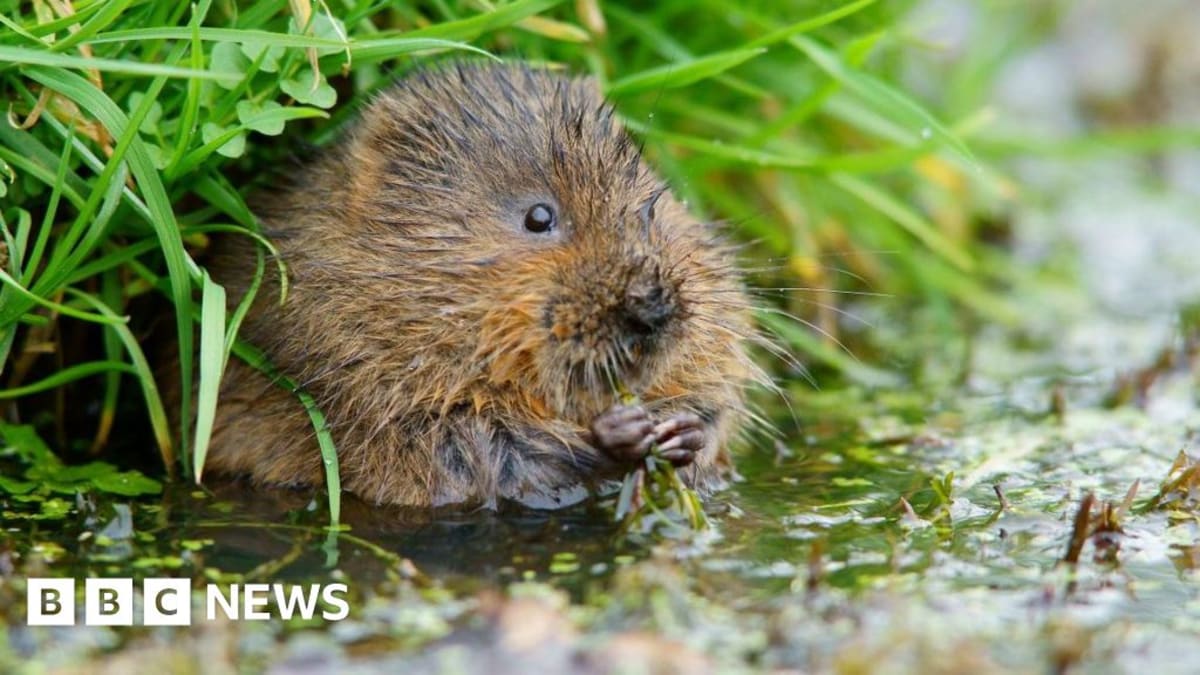
One year after 42 water voles were released into Surrey's Hogsmill River, conservationists have found evidence the population is not only surviving but thriving. The success marks a major win in bringing back a species that vanished from the area more than two decades ago.
Pia Trevelyan-Ashby has never been so excited to see poop.
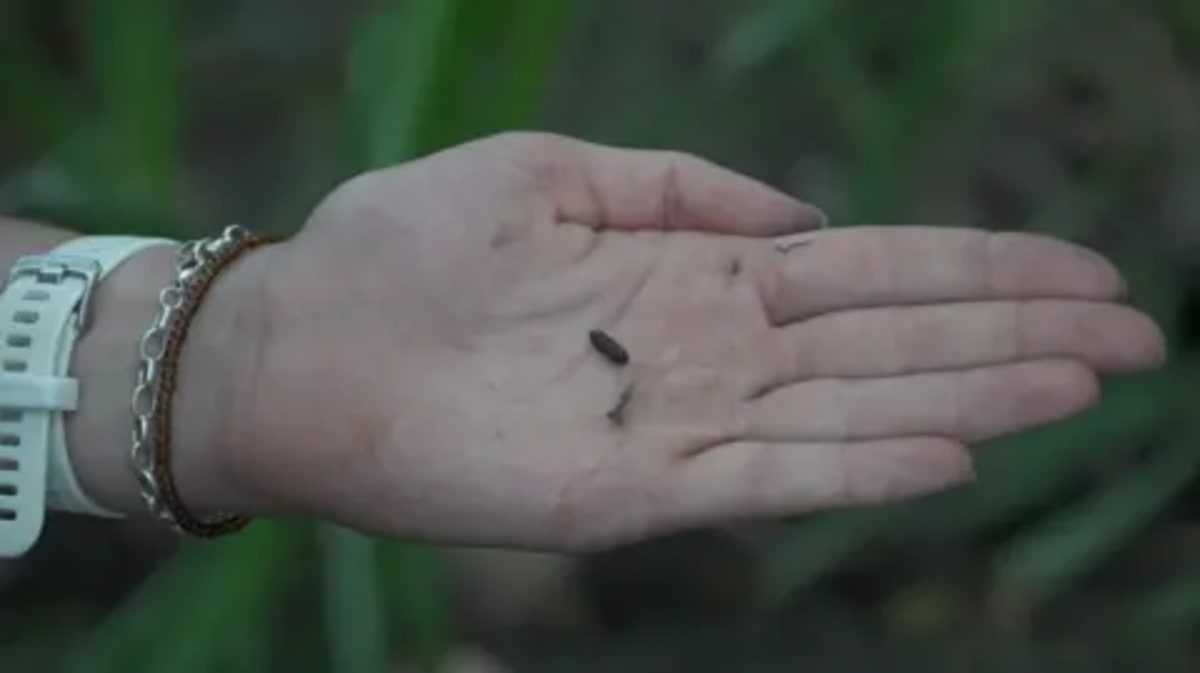
The urban rewilding officer holds up a tiny, Tic Tac-shaped dropping and smiles. "This is what success looks like," she says. For the past year, she's been searching for signs that water voles have returned to Surrey's Hogsmill River after disappearing more than 20 years ago.
The evidence is everywhere. Droppings, burrows, chewed vegetation, and even "squashed poo" at burrow entrances tell the story of a population that made it through winter and is now flourishing.
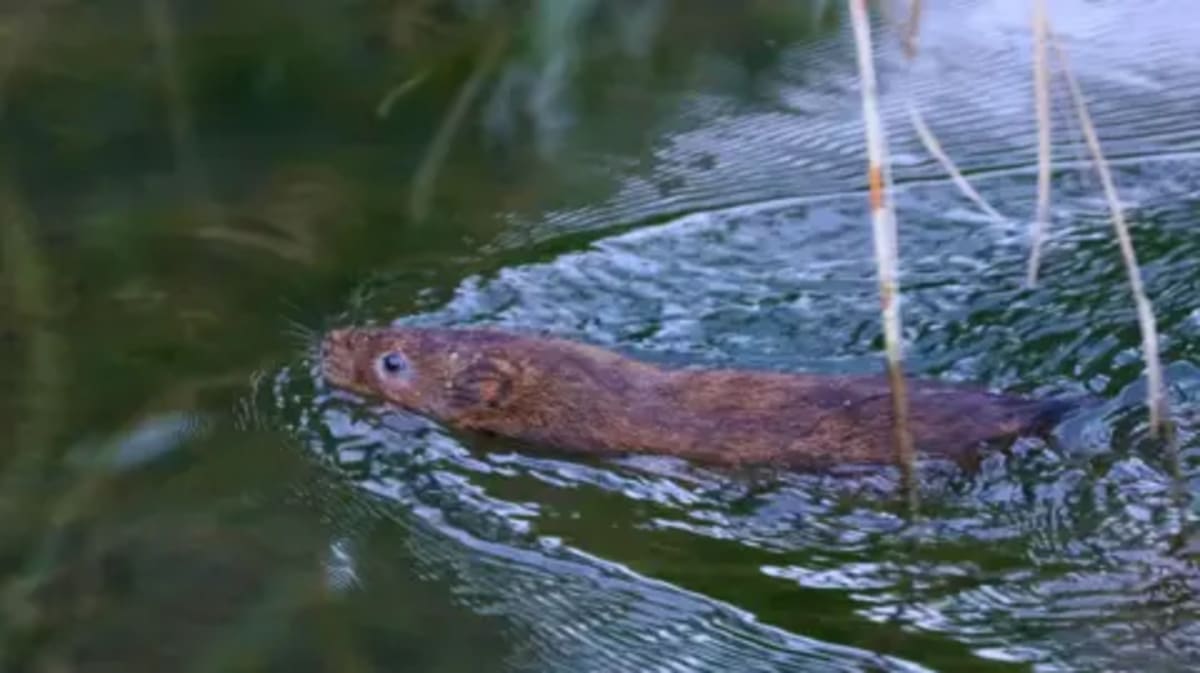
In July 2024, the South East Rivers Trust and Citizen Zoo released 42 water voles into the chalk stream. Recent surveys found the rodents have spread both upstream and downstream from the original release site. Camera traps and floating "latrine rafts" confirm what the physical evidence shows: the water voles are back.
The UK lost as much as 90% of its water vole population since the 1970s, according to the International Union for Conservation of Nature. Non-native mink, which kill about one animal per day, devastated the species. Habitat destruction made things worse.
That's why this project tackles both problems at once. While teams reintroduce water voles, others work to remove mink from Surrey's rivers. "By removing one mink from the ecosystem, you're protecting all those species such as water voles," says Laura Nee, catchment officer for the South East Rivers Trust.
The Ripple Effect
Water voles do more than just charm conservationists. They keep riverside vegetation in check and serve as a crucial food source for predators higher up the food chain. Their return signals the entire river ecosystem is healing.
"It shows that we've got enough vegetation, we have this more naturalised bank," Nee explains. The water voles, immortalized as Ratty in The Wind in the Willows, only thrive when rivers are healthy. Their presence means the restoration work is paying off.
Trevelyan-Ashby admits she spends an "abnormal amount of time looking for poo," but the squashed droppings at burrow entrances are particularly meaningful. Water voles have scent glands on their feet and trample their droppings to mark territory. Finding these flattened marks means the rodents are claiming the Hogsmill as home.
The Hogsmill River once teemed with water voles, but the species went locally extinct before 2025. Now, just one year after their return, conservationists find more burrows every time they visit the riverbank.
More Images

Based on reporting by BBC Science
This story was written by BrightWire based on verified news reports.
Spread the positivity!
Share this good news with someone who needs it