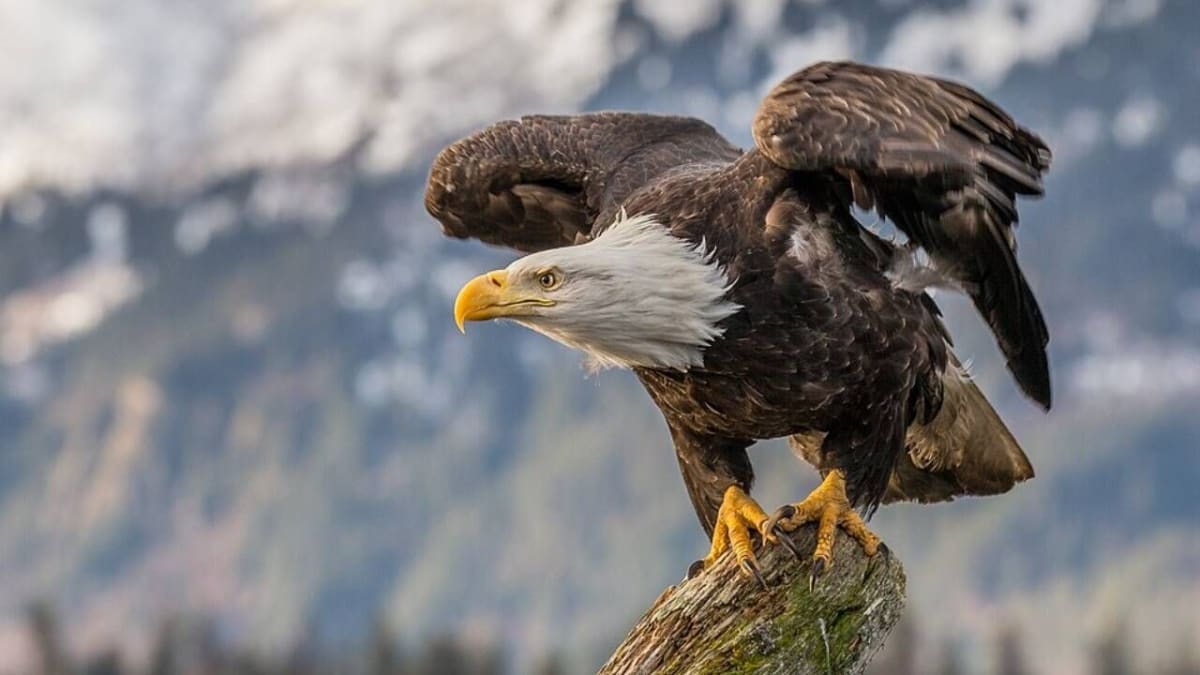
California Eagles Soar From Zero to 20 Breeding Pairs
A wildlife biologist rappelled down sea cliffs and endured eagle attacks for decades to bring bald eagles back to California's Channel Islands. The population rebounded from zero breeding pairs in the 1960s to 20 pairs by 2018, with over 129 chicks hatched naturally since then.
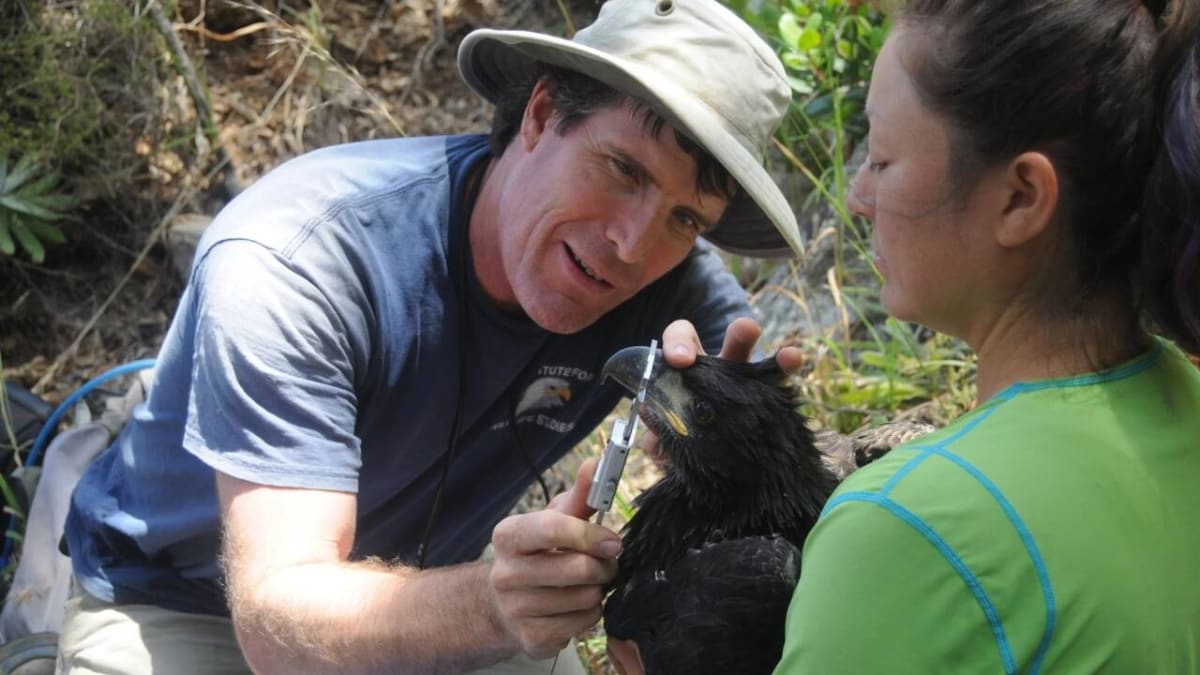
Dr. Peter Sharpe wore a hard hat for good reason when climbing into bald eagle nests perched hundreds of feet above the Pacific Ocean. The protective gear didn't always work—one dive-bombing parent eagle drove its talons into his scalp so deeply he needed hospitalization.
But Sharpe kept climbing. For more than two decades, the California wildlife biologist rappelled down narrow cliff ledges on the Channel Islands to tag chicks, monitor nests, and foster young eagles as part of an ambitious restoration project.
His dedication paid off in one of North America's most remarkable wildlife comeback stories.
Bald eagles had completely disappeared from the Channel Islands by the early 1960s. DDT pollution had entered the marine food chain, causing eggshells to become so fragile they cracked during incubation. The northern islands sat empty of their apex predators for decades.
The serious restoration effort began in 1980 when Channel Islands National Park was established. By 2002, young eagles were being transported to the islands and raised in specially constructed hack towers with minimal human contact before release into the wild.
Sharpe and his colleagues faced constant danger during monitoring missions. Falling off cliff edges threatened from below while aggressive adult eagles defended their nests from above. Wildlife photographer Chuck Graham, who documented the project for over 20 years, called it evidence that patient conservation could reverse even critical ecological decline.
The restoration extended beyond eagles alone. Conservationists removed invasive feral pigs, which allowed them to relocate golden eagles that had been preying on endangered island foxes. Native birds like the island scrub jay benefited as healthier woodlands and oak habitats returned.
The Ripple Effect
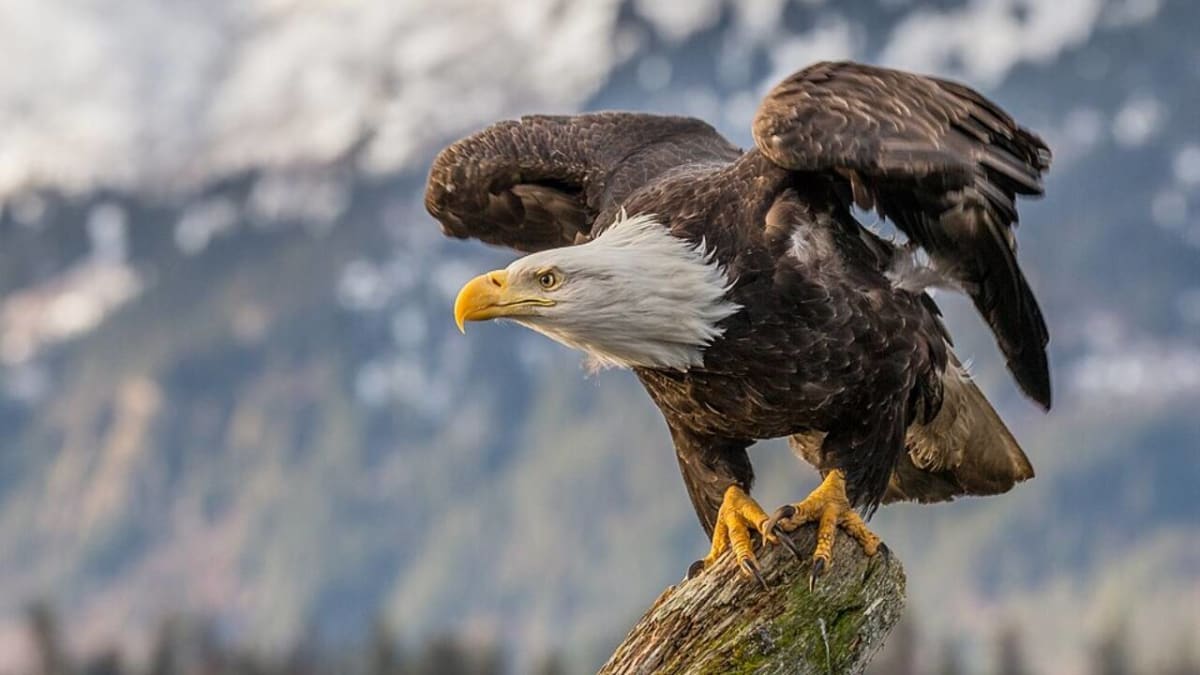
The eagle recovery triggered a cascade of positive changes across the entire Channel Islands ecosystem. Island fox populations rebounded as their habitat improved. Peregrine falcon numbers increased as the environment stabilized. Bald eagles reclaimed their role as the dominant apex predator, helping to balance the entire food chain.
The 2018 breeding season recorded the most productive year since restoration began—20 breeding pairs successfully raised 19 chicks across the islands. That population had grown from just three breeding pairs in 1997. Several nests even produced three chicks each, an unusually high level of reproductive success that exceeded even optimistic expectations.
By 2022, around 129 chicks had hatched naturally on the islands. Sharpe continued monitoring progress, tracking 13 to 14 chicks across all five islands that year. The restoration transformed an ecosystem on the brink of collapse into a thriving example of what decades of committed conservation can achieve.
Today the Channel Islands stand as proof that wildlife populations can recover when humans choose to invest the time, resources, and yes, even the occasional talon wound to make it happen.
More Images
Based on reporting by Google News - Wildlife Recovery
This story was written by BrightWire based on verified news reports.
Spread the positivity!
Share this good news with someone who needs it