California Expands DNA Database to Find Missing Loved Ones
California just made it easier for families to find missing loved ones by expanding its DNA program to identify living people, not just the deceased. The new law also preserves DNA samples longer, giving hope to families who've waited years for answers.
Families searching for missing loved ones in California just got a powerful new reason to hope.
Governor Gavin Newsom signed a law last month that expands the state's Missing Persons DNA Program beyond identifying deceased individuals. Now, authorities can use the database to identify unknown people who are still alive, opening doors for thousands of families waiting for answers.
The change addresses a gap that had limited investigators' ability to use state forensic resources. Before this law, the program could only help identify remains, leaving many missing persons cases without access to California's advanced DNA technology.
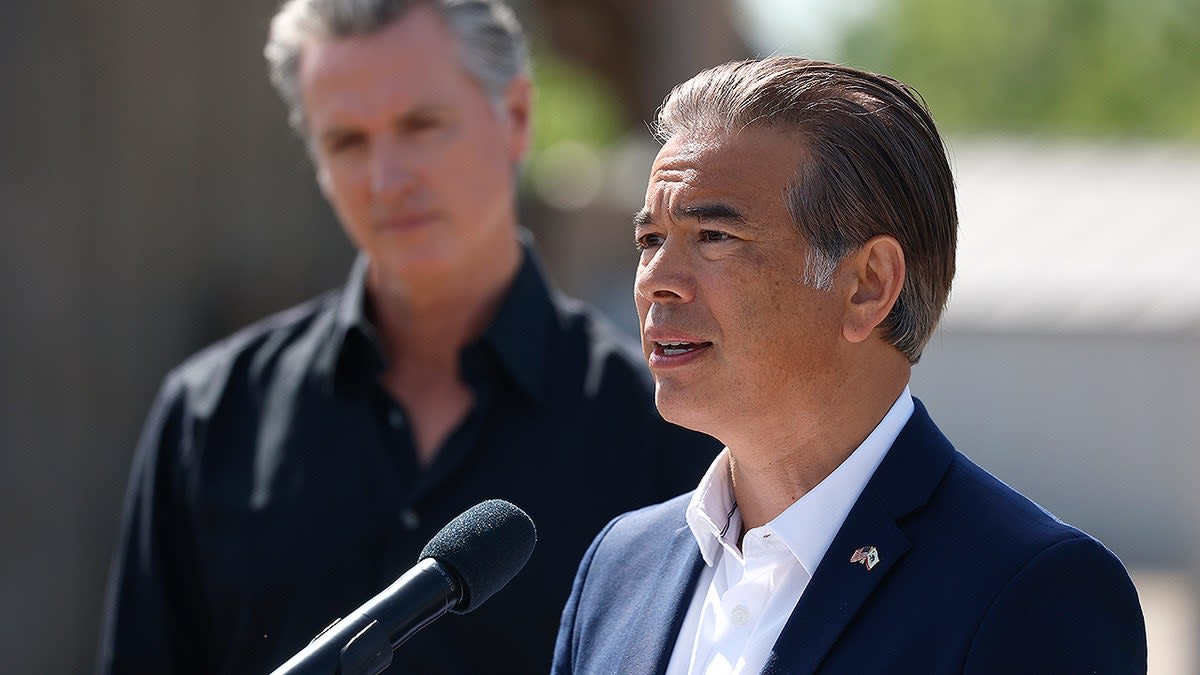
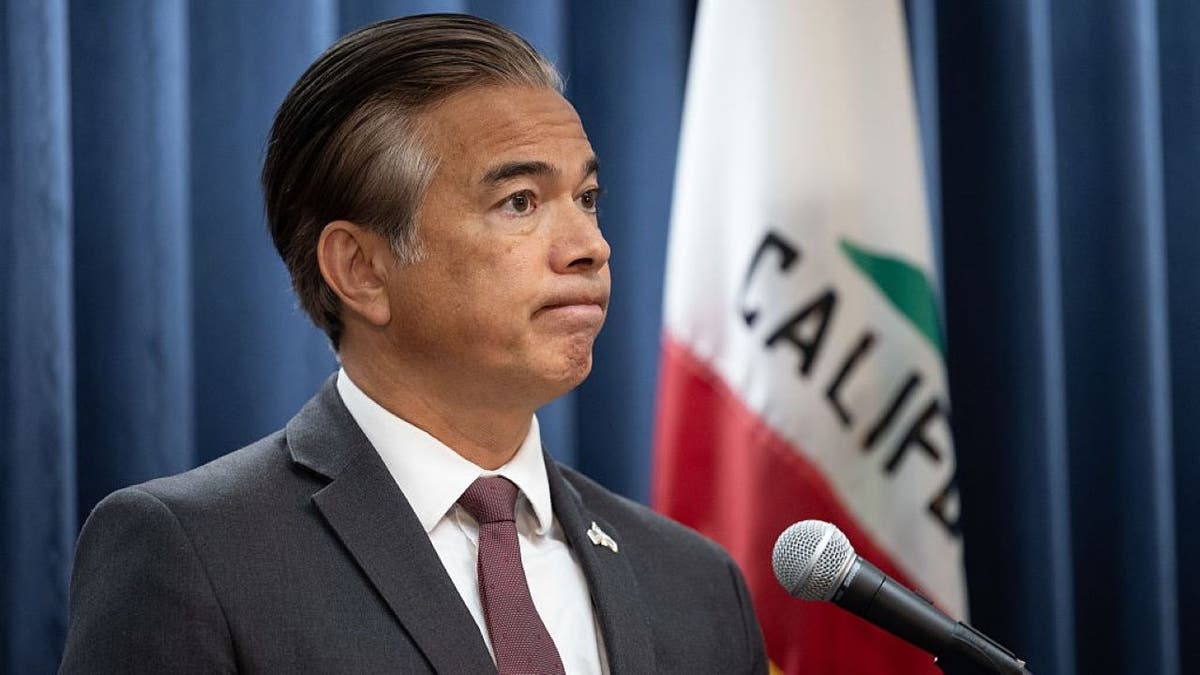
"Any missing person case is one too many," said Attorney General Rob Bonta. "No family should know the prolonged uncertainty of waiting for answers."
The law also changes how long DNA samples stick around. Previously, when investigators identified remains, they destroyed DNA samples collected from relatives. Now the state can keep those samples if investigators believe they might find additional related remains later.
Assemblymember James Ramos, who wrote the legislation, emphasized its importance for Indigenous communities. California has seen a disproportionate number of missing and murdered Indigenous persons, and Ramos said these families especially need every available tool to find their loved ones.
The timing couldn't be better. Just months ago, Michelle Collier's family finally got answers after nearly 50 years. DNA technology identified the California teen who disappeared decades ago and was found buried in a vineyard. Her family's emotional public statement showed both their pain and relief at finally knowing what happened.
The Ripple Effect: The expanded database will support coroners, medical examiners, and law enforcement agencies across the entire state. Northern California's Calaveras Cold Case Task Force, established in 2020, has already shown what's possible when investigators combine advanced DNA analysis with dedicated resources. Now every county can access similar tools.
Cold cases that seemed impossible to solve are getting fresh chances. Families who thought they'd never learn what happened to their missing children, parents, or siblings now have renewed hope that science might deliver answers.
The law represents more than just a policy change. It's a recognition that every missing person matters and that technology should work for families, not against them. For investigators who've watched cases go cold due to limited resources, it's a game changer.
Thousands of California families waiting for news about their missing loved ones just got the most powerful gift: hope backed by science.
More Images


Based on reporting by Fox News Politics
This story was written by BrightWire based on verified news reports.
Spread the positivity!
Share this good news with someone who needs it