California Island Fox Makes Fastest Recovery Ever
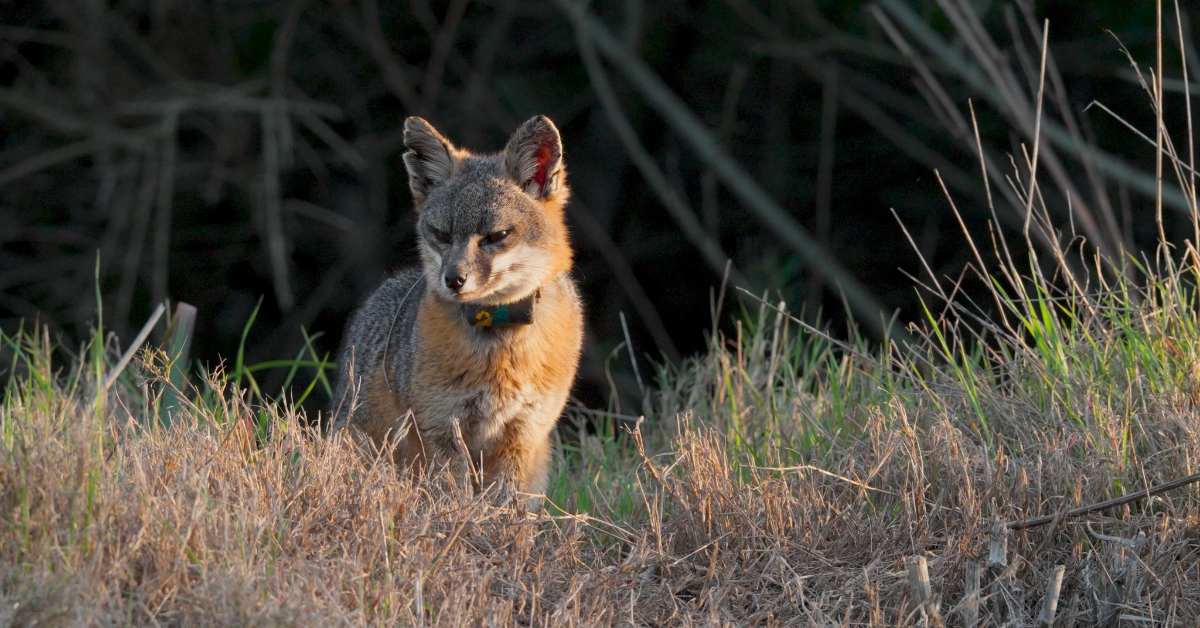
A tiny fox species plummeted from 1,300 to just 100 animals in one year, but made the fastest mammal comeback in Endangered Species Act history. The Santa Catalina Island fox went from nearly extinct to thriving in just 17 years.
When a disease swept through California's Catalina Island in 1999, it nearly wiped out an entire species in a single year.
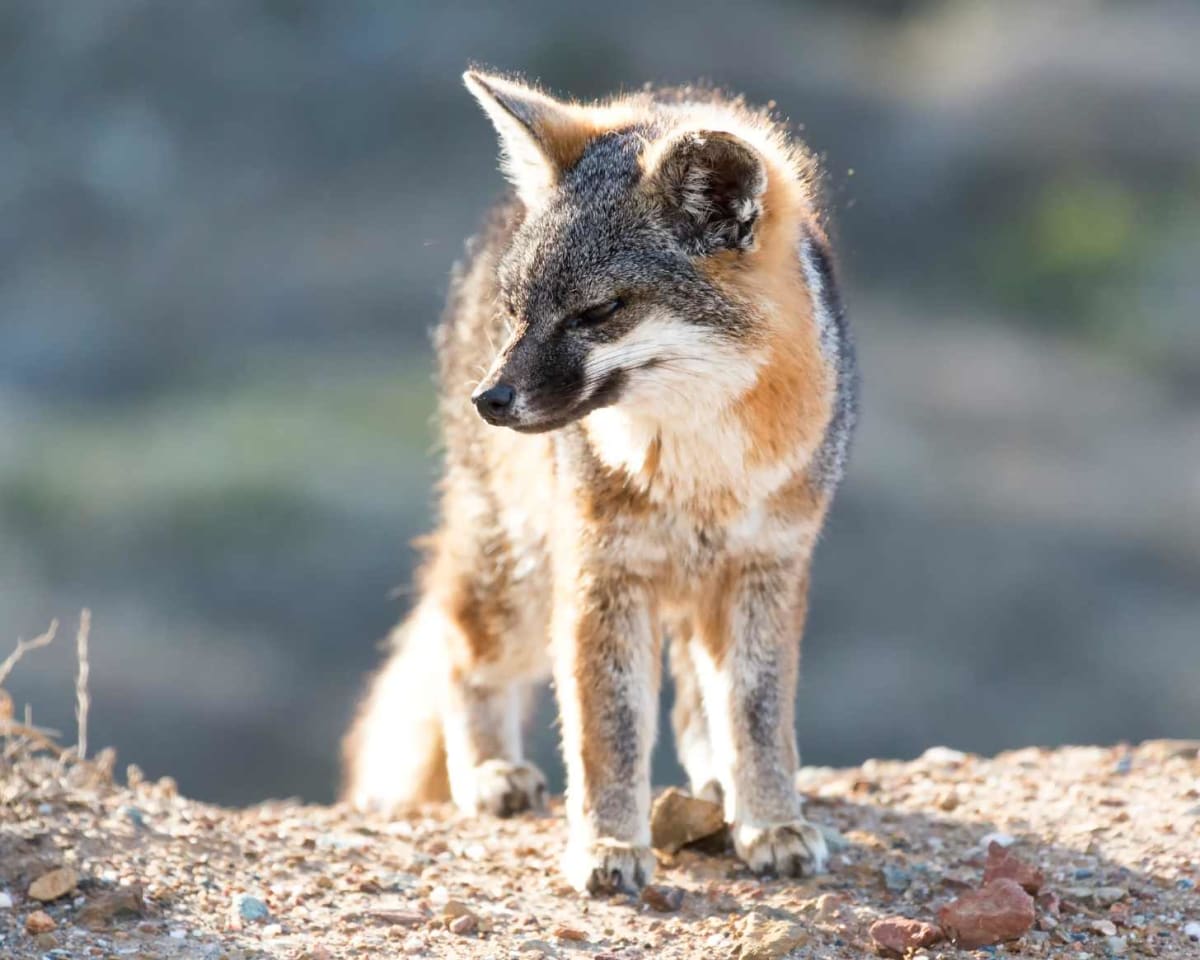
The Santa Catalina Island fox, found nowhere else on Earth, saw its population crash from 1,300 animals to just 100. A canine distemper virus, likely brought by a raccoon arriving by boat, devastated the tiny foxes that weigh just 4 to 6 pounds each.
But conservationists refused to let this story end there. As the island's largest native land predator, the Catalina Island fox plays a crucial role controlling prey and dispersing native seeds throughout the ecosystem.
Teams from the Catalina Island Conservancy and the Institute for Wildlife Studies jumped into action in the early 2000s. They used captive breeding, vaccination programs, and careful monitoring to pull the species back from the brink.
The results came fast. By 2004, just five years after the crash, the fox population had tripled.
By 2016, the species was downlisted from endangered to threatened, earning recognition as the fastest mammal recovery in the history of the Endangered Species Act. The little fox that almost disappeared forever had made one of the most dramatic comebacks in conservation history.
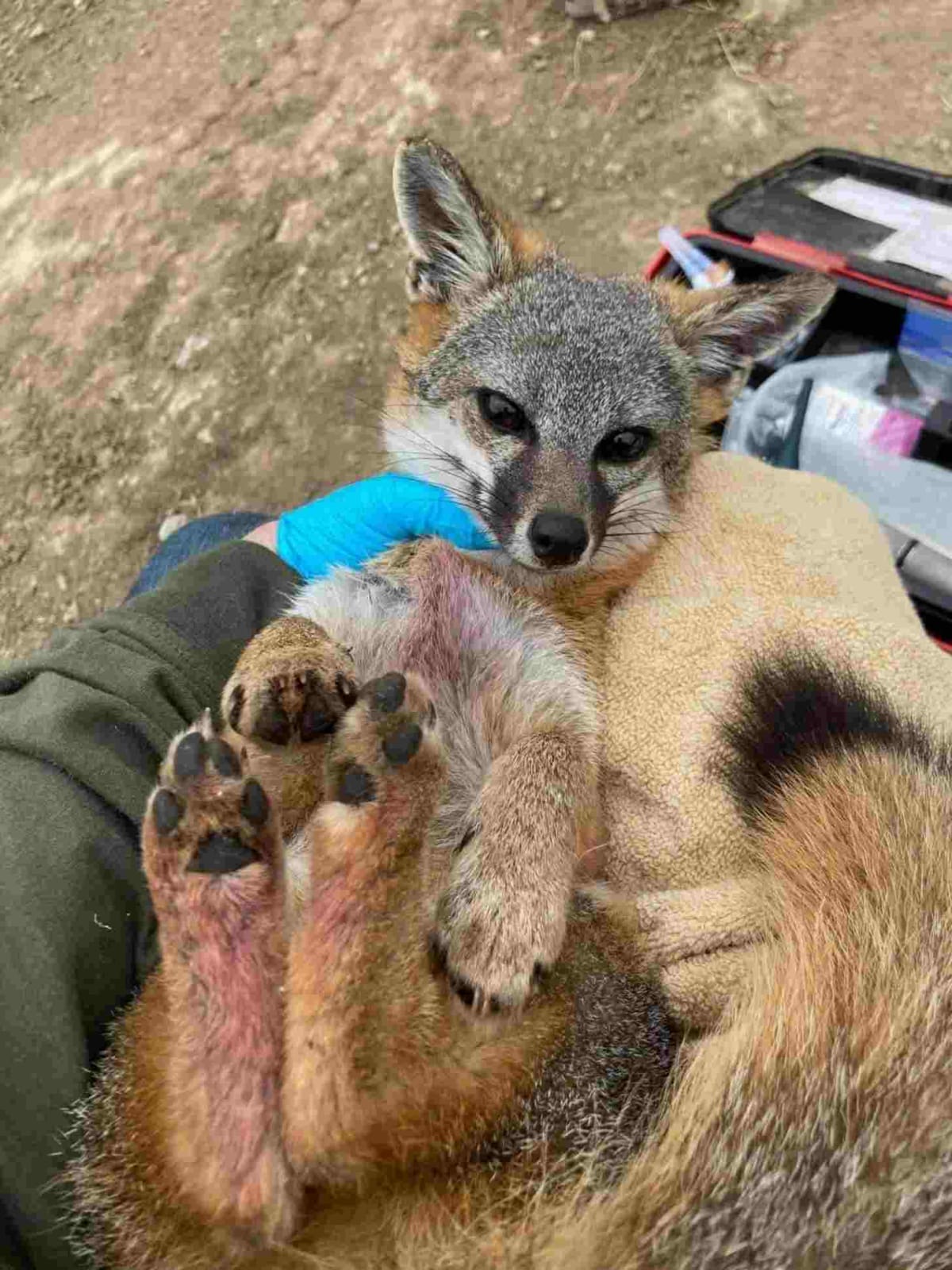
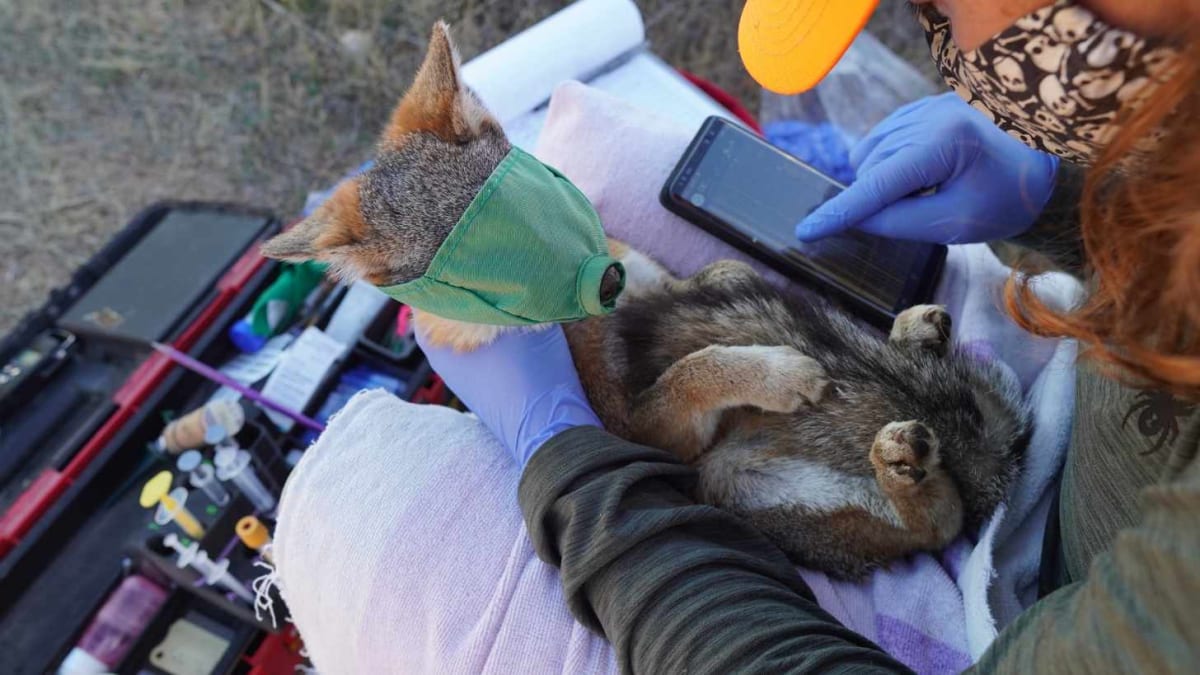
Today, the work continues. Every year, experts monitor hundreds of foxes across the island, performing health checks and administering vaccines against distemper and rabies. Volunteer pilots team up with ground crews to track the animals and monitor population growth.
The Ripple Effect
The fox's success story has inspired conservation efforts across the entire island. As one of 60 plant and animal species unique to Catalina, the charismatic little fox has become the perfect ambassador for protecting the whole ecosystem.
Dr. Lauren Dennhardt, senior director of conservation at the Conservancy, says having something tangible that people can relate to helps drive other conservation efforts. The beloved fox even serves as the mascot for the island's wildfire safety campaign.
Local community members remain vigilant too. It was Avalon residents who first alerted staff to sick foxes in 1999, and that same dedication continues today.
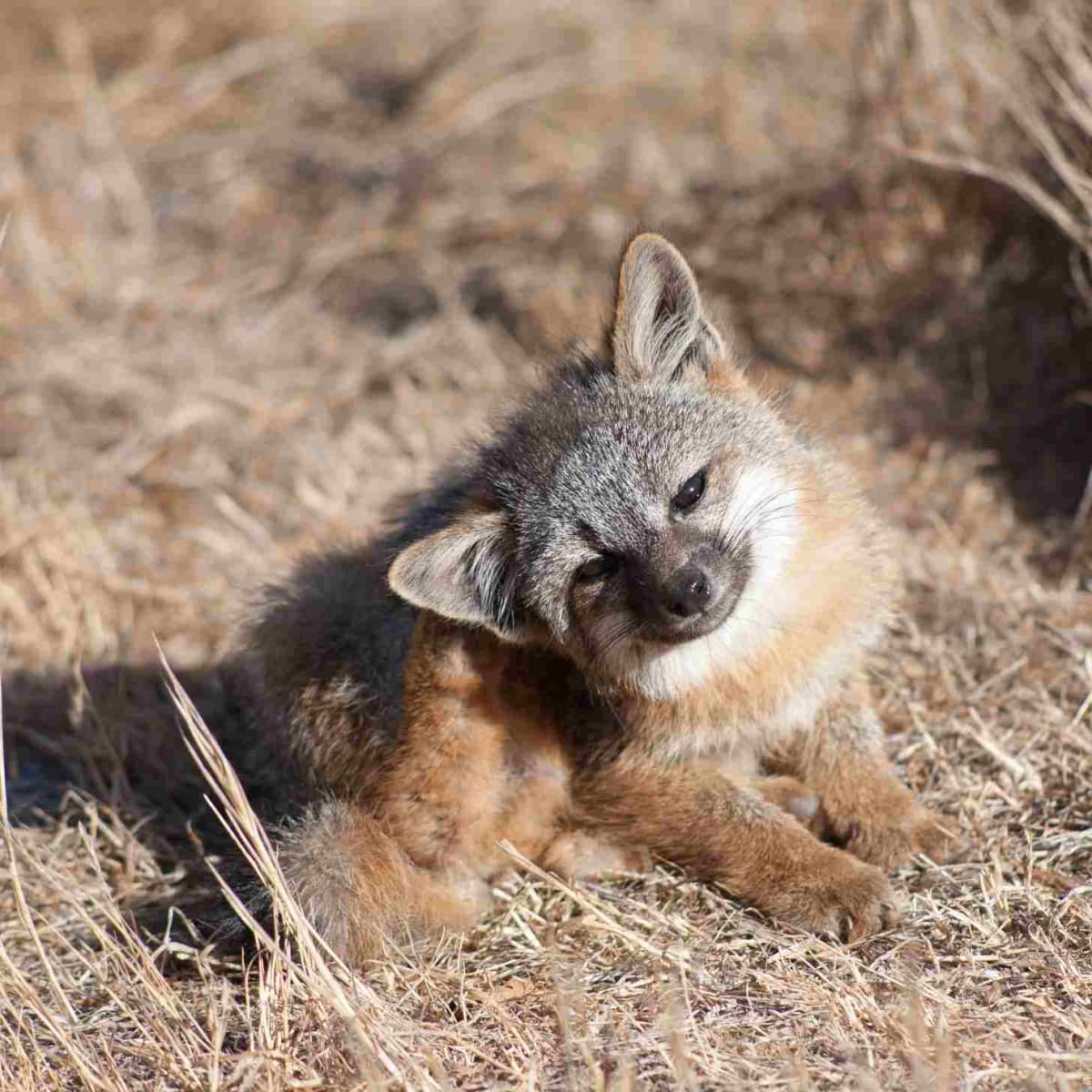
The species still faces threats from disease, ear mites, and vehicle strikes, which is why it remains classified as threatened rather than fully recovered. But the dramatic turnaround proves what's possible when communities, scientists, and funding come together.
"Conservation is hard. It's a long path, and it takes a lot of dedication," Dennhardt said. The Island fox is proof the work is worth doing.
More Images
Based on reporting by Good Good Good
This story was written by BrightWire based on verified news reports.
Spread the positivity!
Share this good news with someone who needs it