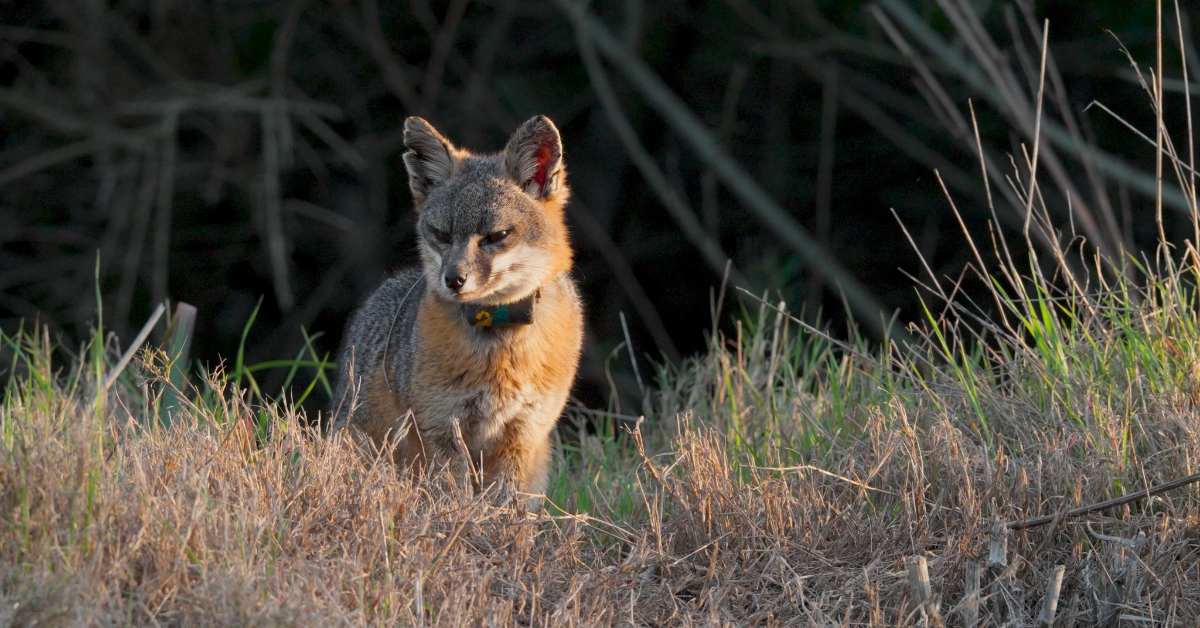
Catalina Island Fox: Fastest Mammal Recovery in U.S. History
A tiny fox species dropped from 1,300 to just 100 animals in one year after a deadly virus hit their island home. Two decades of determined conservation work pulled them back from the brink in record time.
In 1999, the Santa Catalina Island fox was hours away from extinction. A canine distemper virus, likely carried by a raccoon that hitched a ride on a boat, tore through the island's fox population and killed more than 90% of them in a single year.
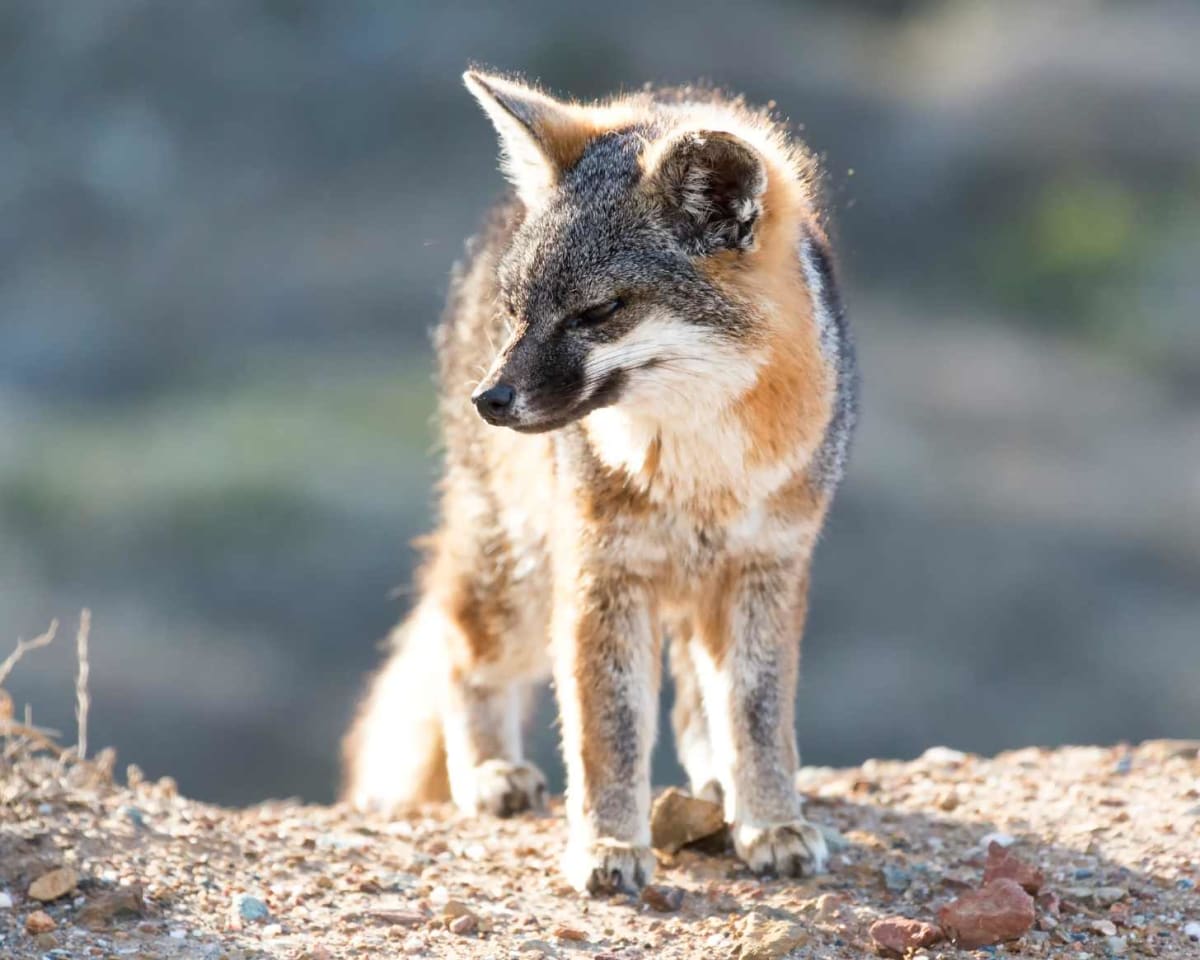
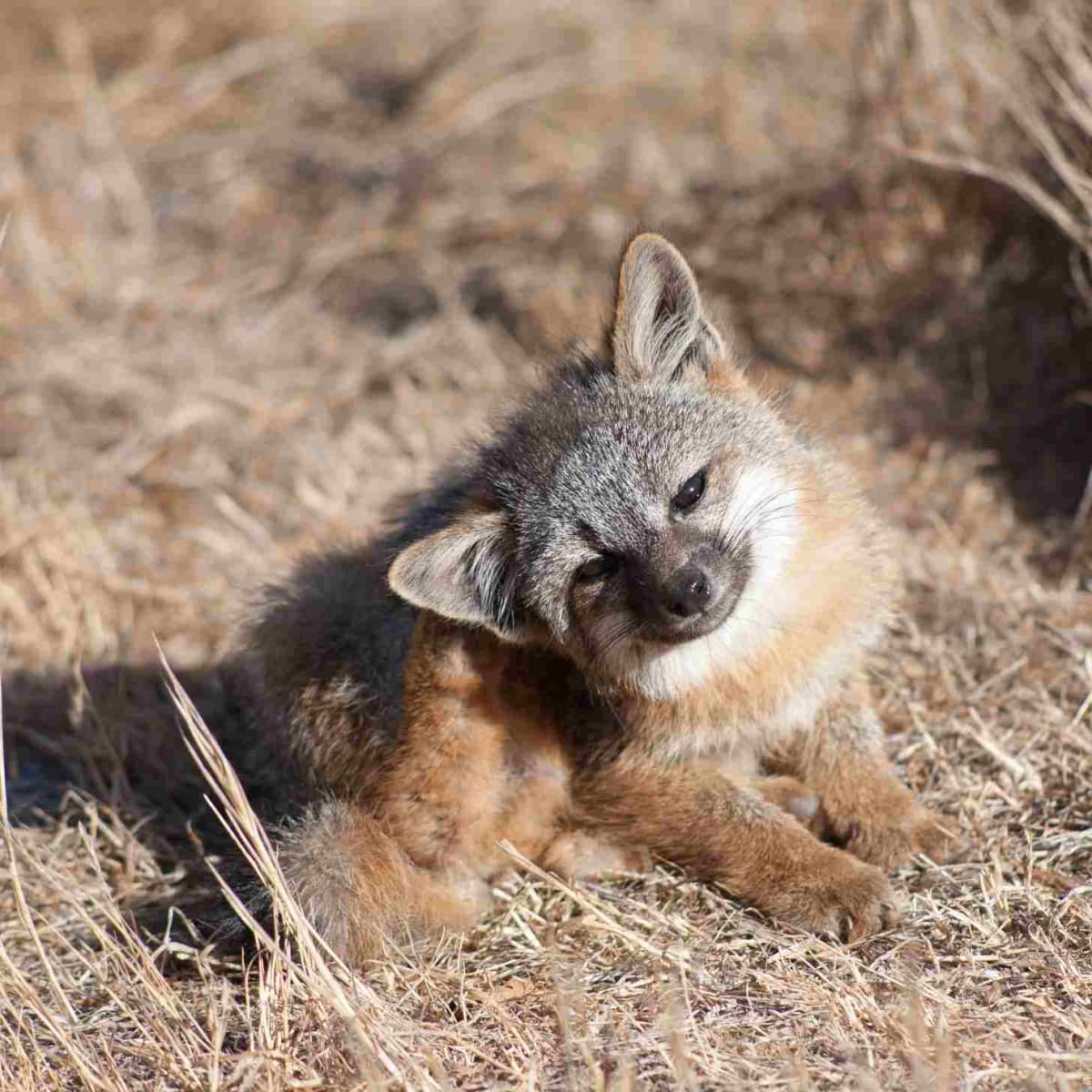
The math was terrifying. From about 1,300 animals to just 100. The entire species exists nowhere else on Earth except this 75-square-mile island off the coast of Los Angeles.
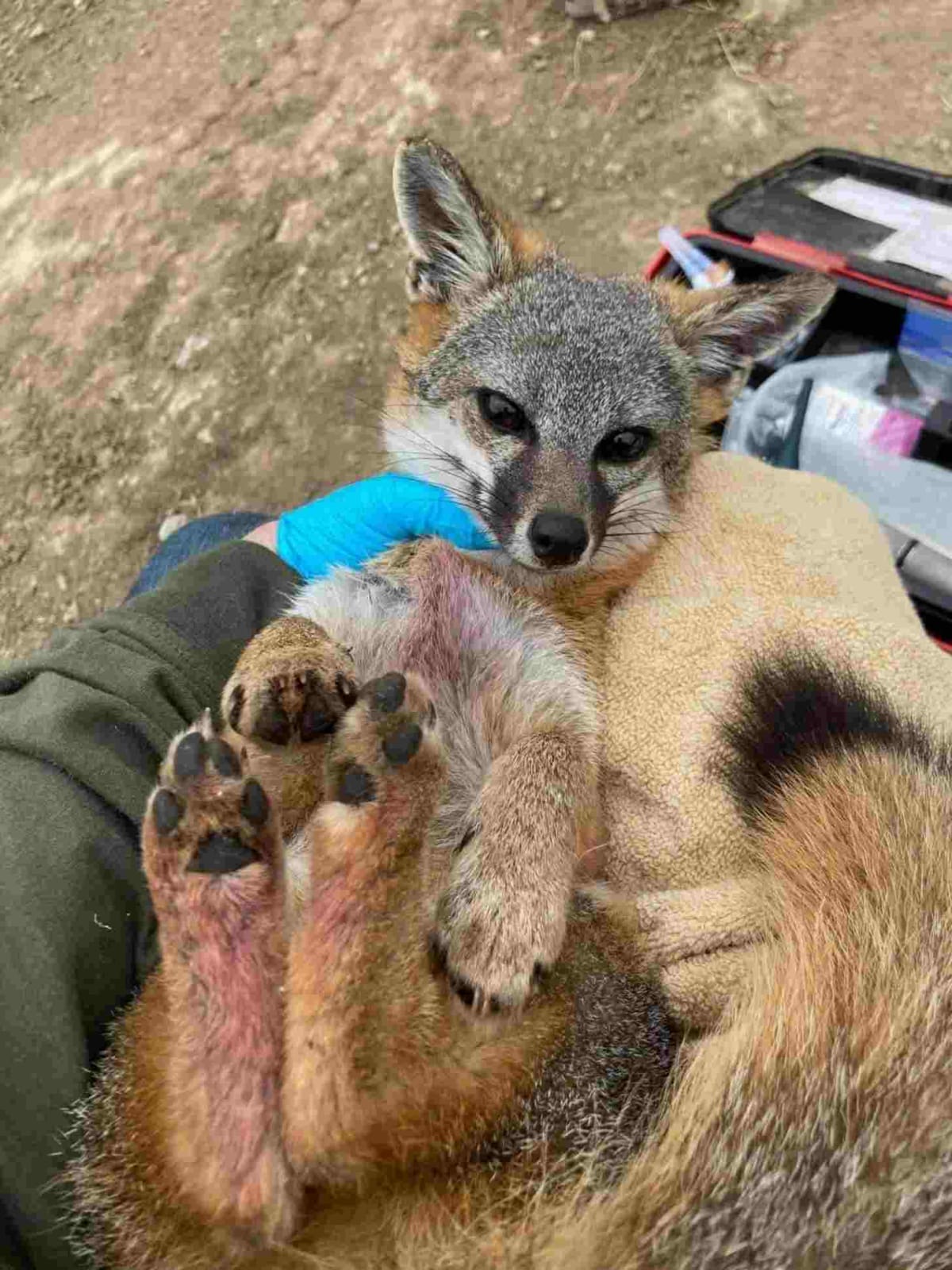
But conservationists at the Catalina Island Conservancy and the Institute for Wildlife Studies refused to let these 4 to 6 pound foxes disappear. They launched an aggressive rescue mission using captive breeding, vaccinations, and careful population monitoring.
The results came fast. By 2004, the population had tripled. By 2016, the species was downlisted from endangered to threatened, earning recognition as the fastest mammal recovery in Endangered Species Act history.
The Ripple Effect
The fox's survival matters far beyond one adorable animal. As the island's largest native land predator, these tiny foxes control prey populations and scatter native seeds across the ecosystem, keeping the entire island healthy.
Their comeback also energized conservation across all of Catalina Island, which hosts 60 plant and animal species found nowhere else on Earth. The fox became the face of the island's wildfire safety campaign and a living symbol of what dedicated conservation can achieve.
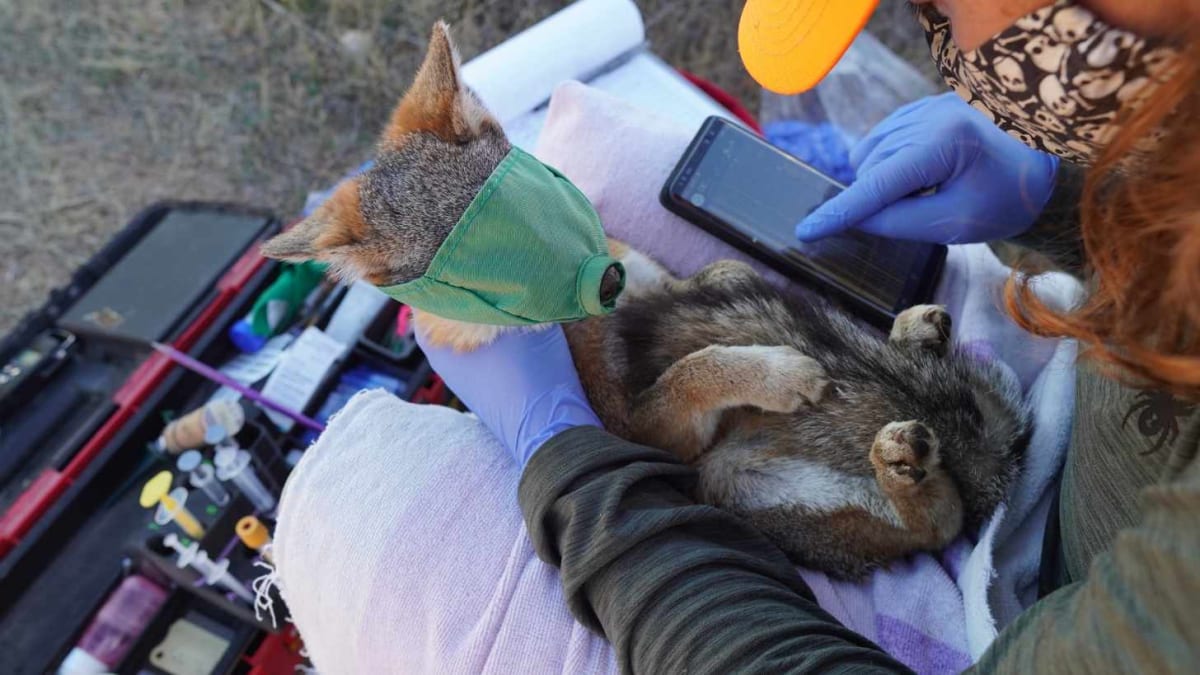
Today, experts continue monitoring hundreds of foxes each year, performing health checks and administering vaccines against distemper and rabies. Volunteer pilots team up with ground crews to track the animals and watch population trends.
The foxes still face threats from disease, ear mites, and vehicle strikes, so the work continues. Local residents play a crucial role too. It was Avalon residents who first spotted sick foxes in 1999, and their watchful eyes remain part of the protection strategy.
Dr. Lauren Dennhardt, senior director of conservation at the Conservancy, says the fox proves what happens when resources meet commitment. "Conservation is hard. It's a long path, and it takes a lot of dedication," she explained. "But based on this little fox alone, it's proof that the work is worth doing."
As the Conservancy put it simply: "The Island fox is still here. That's not luck. That's what conservation looks like."
More Images
Based on reporting by Google News - Endangered Species Recovery
This story was written by BrightWire based on verified news reports.
Spread the positivity!
Share this good news with someone who needs it