California Mandates Efficient Tires, Saves Drivers $1B a Year
California just became the first state to require replacement tires to be energy efficient, cutting emissions while saving drivers money at the pump. The new rules take effect in 2029 and could inspire other states to follow.
California drivers are about to save serious money every time they buy new tires, thanks to groundbreaking regulations that also help the planet.
The California Energy Commission unanimously approved the nation's first efficiency standards for replacement tires this week. Starting in 2029, replacement tires sold in the state must be at least as energy efficient as the tires that come on new cars.
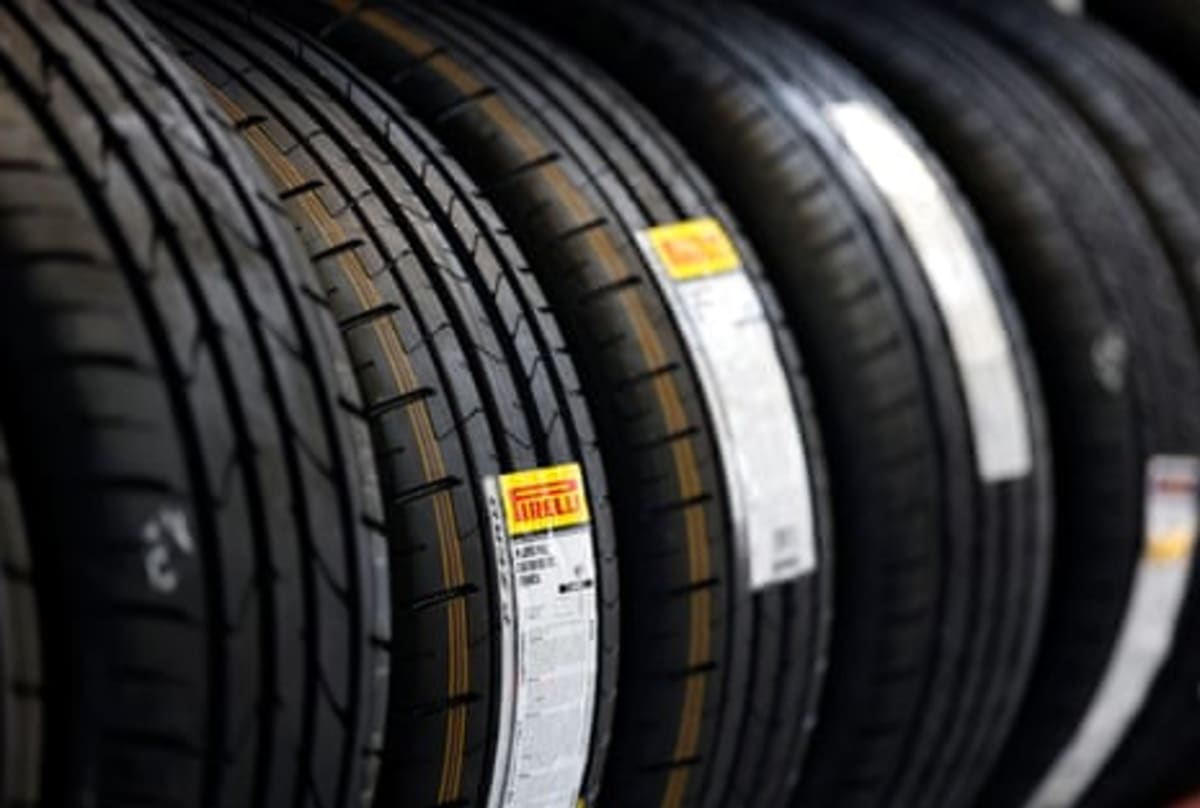
The change addresses a problem most drivers never think about. When you buy a new car, it comes with low rolling resistance tires that maximize fuel economy. But when those wear out, replacement tires are often older models that waste energy and cost you money with every mile.
The new rules will save California drivers nearly $1 billion per year in gas and electricity costs. They'll also cut carbon dioxide emissions by 2 million metric tons annually, equal to removing 400,000 gas-powered cars from the roads.
Bill Magavern from the Coalition for Clean Air said the timing couldn't be better. "California drivers want to save money and want to reduce harmful emissions," he explained. With gas prices high and federal climate action stalled, the state can move forward on its own.
Major tire maker Michelin supports the regulations, calling the efficiency goals "technically feasible" and aligned with reducing environmental impact without compromising safety. The company's backing suggests the industry can meet these standards.
Some tire manufacturers and dealers pushed back, warning that replacement tires could cost $6 to $10 more per tire. But the state's math tells a different story: drivers will pay just $1.50 extra per tire in phase one, while saving $179 on fuel over the life of those tires. That's seven times the cost increase.
The Ripple Effect
California's move could transform the tire market nationwide. As the world's fourth-largest economy, the state's standards often become de facto national rules as manufacturers adjust their entire product lines.
Other states are already watching closely, waiting to adopt similar regulations once California proves the concept works. The 2003 state law authorizing these rules sat dormant for two decades while lawmakers hoped for federal action that never came.
The regulations arrive as the Trump administration battles California over climate policies, from electric vehicle mandates to clean car rules. But tire efficiency standards don't require federal approval, giving the state a clear path to reduce emissions and help drivers.
For millions of Californians replacing worn tires in 2029, the choice will be simple: better efficiency, lower fuel costs, and cleaner air with every rotation.
More Images

Based on reporting by Guardian Environment
This story was written by BrightWire based on verified news reports.
Spread the positivity!
Share this good news with someone who needs it