California NGO Helps Plant 1 Million Mangroves in Kenya
A California nonprofit is helping small community groups succeed where many mangrove restoration projects fail. By providing funding, science support, and storytelling tools, Seatrees has helped plant over 1 million mangroves across four countries while paying local communities for their work.
When it comes to saving coastal mangrove forests, good intentions aren't always enough. Research shows that roughly 70% of mangrove restoration projects in Southeast Asia and Latin America fail because small community groups lack the resources and expertise to succeed.
That's where Seatrees comes in. The California-based nonprofit doesn't plant trees itself. Instead, it partners with local groups already doing the work, filling critical gaps in funding, scientific knowledge, and impact measurement.
Over the past five years, the approach has worked beautifully. Seatrees has supported mangrove restoration projects in Kenya, Mexico, Indonesia, and the Florida Keys, helping communities turn struggling efforts into thriving forests.
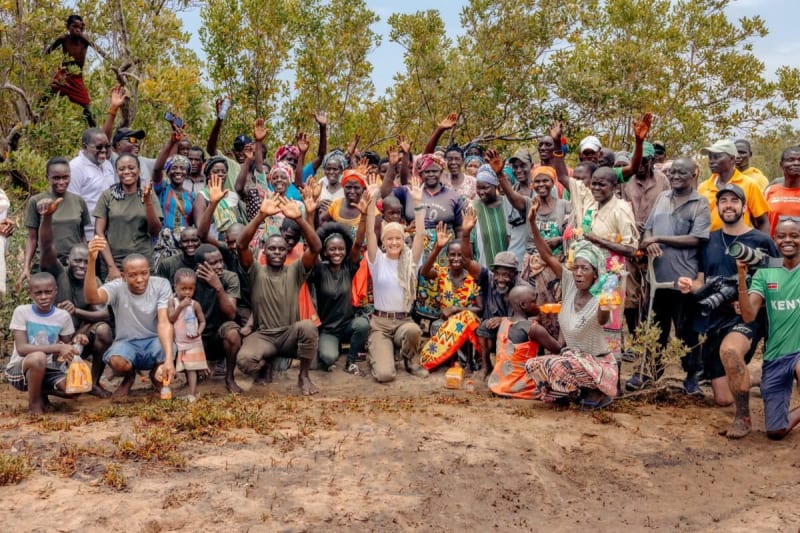
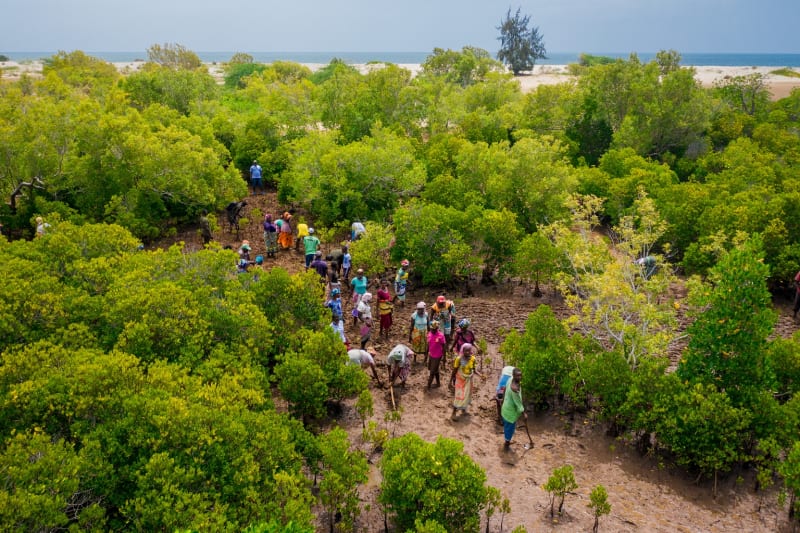
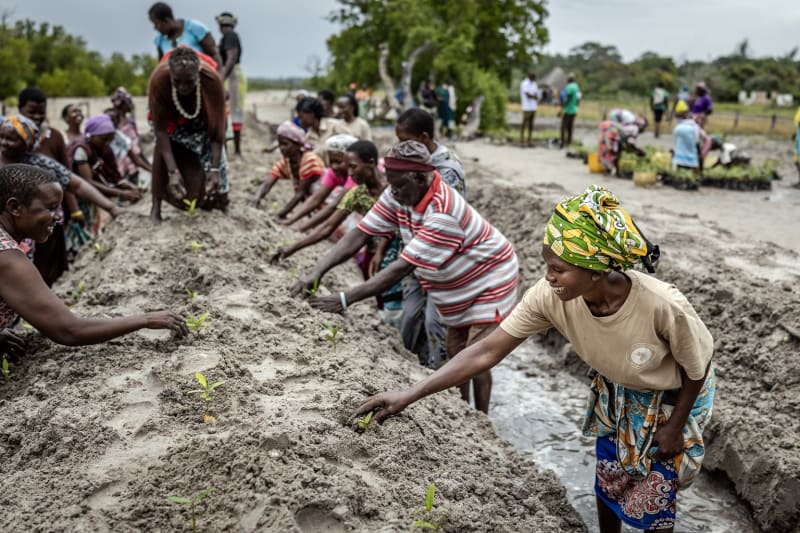
The results are most visible in Kenya. Since 2020, Seatrees has partnered with COBEC, a local environmental group, to restore more than 750 hectares of mangrove ecosystems. Together, they've supported over 30 community groups who've planted more than 1 million mangrove seedlings.
But the project goes beyond planting. Community members maintain nurseries, dig trenches to improve water flow, and patrol forests to stop illegal logging. Most importantly, they get paid for this critical work.
Many groups pool their earnings to invest in alternative income sources like beekeeping, ecotourism, and livestock rearing. These new revenue streams provide financial stability long after the restoration work ends.
The model works because Seatrees carefully chooses partners. They look for local groups with proven experience and community trust, but who need help scaling up. Projects must have permission to operate and buy-in from Indigenous groups and stakeholders.
The Ripple Effect
The impact extends far beyond Kenya. In Mexico's Laguna San Ignacio, a women-led group is restoring mangroves in a World Heritage site that serves as a breeding lagoon for gray whales. In Indonesia's West Papua region, communities are bringing back highly degraded mangrove fragments on Biak Island.
In the Florida Keys, Seatrees recently funded a mangrove nursery run by CoastLove, a local nonprofit. The nursery engages both residents and tourists in hands-on planting activities, turning visitors into educated advocates for coastal restoration.
Mangrove forests buffer coastlines from climate disasters, store massive amounts of carbon, and support both wildlife and human livelihoods. As global interest in these coastal guardians grows, Seatrees proves that success comes from empowering local communities with the right tools and support.
Small groups with big dreams can now plant forests that will protect their coastlines for generations to come.
More Images
Based on reporting by Mongabay
This story was written by BrightWire based on verified news reports.
Spread the positivity!
Share this good news with someone who needs it