California Opens Roads to Self-Driving Trucks Statewide
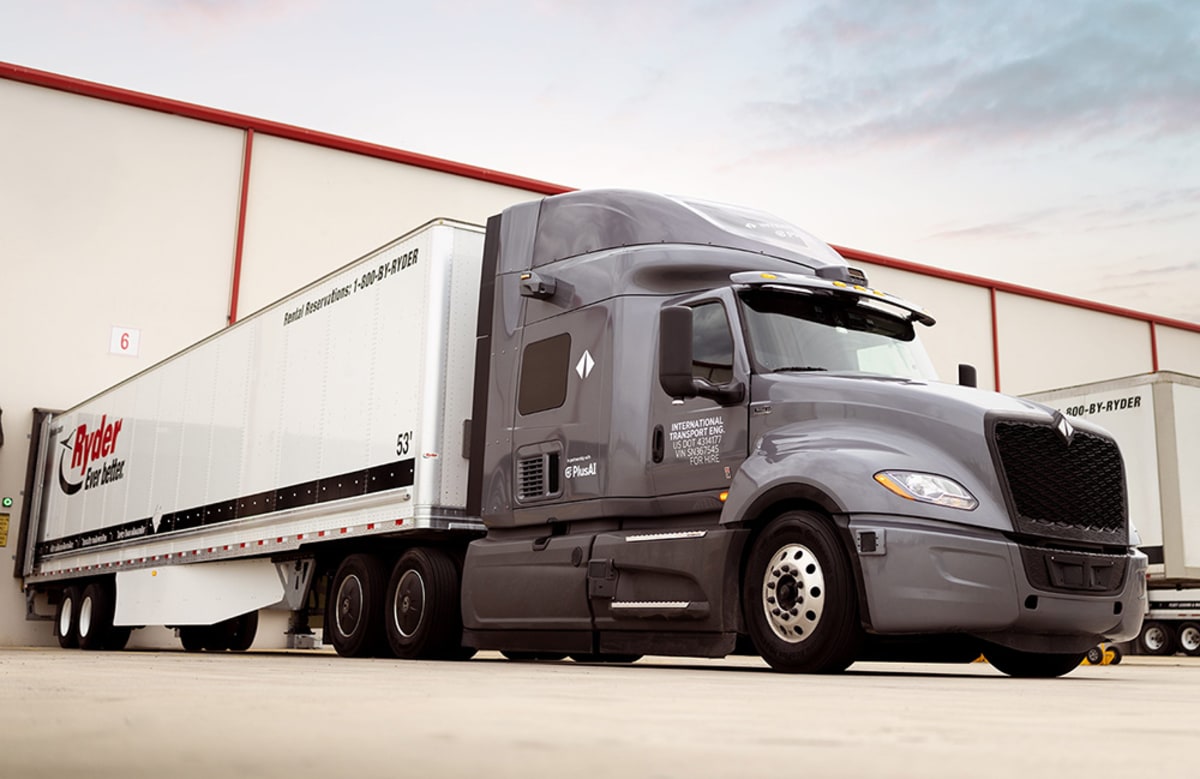
California just reversed its ban on autonomous trucks, clearing the way for self-driving big rigs to test and deploy across the state. The new rules also give first responders powerful tools to control all autonomous vehicles during emergencies.
📺 Watch the full story above
California is finally joining the autonomous trucking revolution after years of keeping self-driving big rigs off its roads.
The California Department of Motor Vehicles this week adopted sweeping new regulations that allow autonomous trucking companies to apply for testing permits statewide. Until now, the state banned any self-driving vehicle weighing over 10,001 pounds from operating on public roads, effectively blocking the technology that's already moving freight in other states.
The change represents a major shift for California, which pioneered self-driving technology but had remained one of the few states preventing autonomous trucks from proving themselves. Companies must now demonstrate their safety technology works before hitting the highways, and their vehicles still need to stop at weigh stations like traditional trucks.
"California continues to lead the nation in the development and adoption of AV technology," said Steve Gordon, director of the California DMV. The updated rules balance innovation with accountability, he added.
The regulations require trucking companies to start with a human safety driver behind the wheel, then progress to driverless testing after completing 500,000 miles. Only after proving safety at each stage can companies apply for commercial deployment.
The Ripple Effect
The Chamber of Progress estimates autonomous trucks could create 35,000 new jobs across the United States. California families and businesses stand to benefit from lower costs, more resilient supply chains, and safer highways as the technology scales up.
The new rules also modernize safety for all autonomous vehicles operating in California, not just trucks. Companies can now be cited for moving violations their vehicles commit, just like human drivers.
First responders gained powerful new tools too. Emergency officials can now create instant "do not enter" zones during active incidents, and autonomous vehicles must exit these areas within two minutes or face permit suspension. Companies must also answer first responder calls within 30 seconds.
The regulations focus on real-world safety metrics like system failures, sudden stops, and vehicle breakdowns rather than just miles driven. Local officials can also impose temporary restrictions on fleet size, location, or speed when public safety concerns arise.
Public transit agencies and universities got their own pathway forward. They can now operate medium-duty autonomous passenger vehicles up to 14,001 pounds, opening doors for innovative transit solutions that could transform how people move through cities.
California's approach shows how innovation and safety can advance together when regulators focus on accountability.
More Images



Based on reporting by The Robot Report
This story was written by BrightWire based on verified news reports.
Spread the positivity!
Share this good news with someone who needs it