California Passes Strict Limits on Dairy Water Pollution
California just approved sweeping new regulations to protect drinking water from dairy farm pollution in the Central Valley, where over 700 dairies have contaminated groundwater for decades. After years of advocacy from rural communities, the state is finally requiring farms to meet strict nitrate limits and provide clean water to affected residents.
Families in California's Central Valley are about to get cleaner drinking water, thanks to new regulations that finally hold dairy farms accountable for decades of contamination.
The State Water Resources Control Board unanimously approved strict pollution limits this week after a six-hour meeting in Sacramento. The decision represents a major victory for low-income communities who have fought since the early 2000s for clean water.
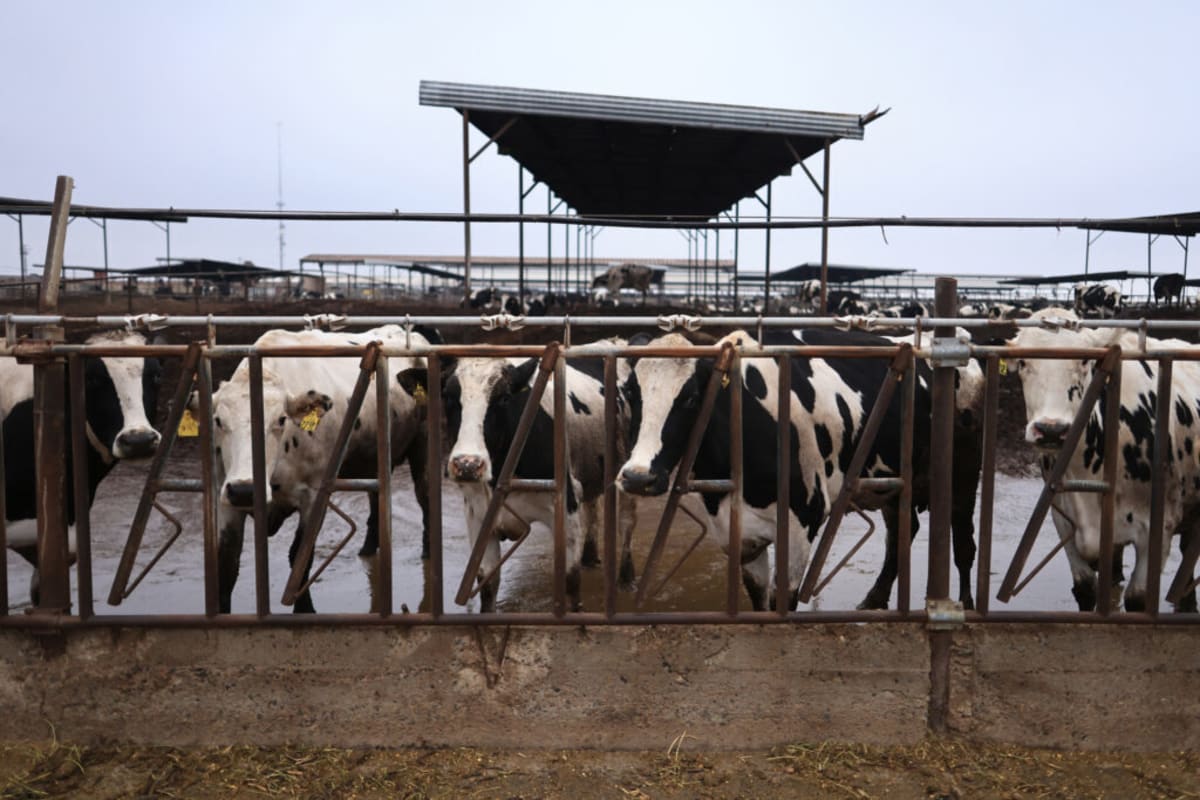
The problem is serious. More than 700 dairies in the Central Valley sit within one mile of areas at high risk for nitrate groundwater contamination. When manure from these farms breaks down, nitrogen turns into nitrate that seeps into soil and groundwater, eventually reaching drinking water supplies.
A 2017 UC Davis study found that agricultural lands, including dairy operations, are the largest contributor of nitrate pollution in Central Valley groundwater. For rural communities that rely on shallow wells, this contamination has created a health crisis.
"Low-income rural communities of color rely heavily on shallow groundwater and face the greatest exposure," said Leslie Martinez of the Leadership Counsel for Justice and Accountability during Tuesday's meeting. She called the situation a "crisis" for families and children.
The new rules require dairies to meet a drinking water standard of 10 milligrams per liter for nitrate. Farms must also follow strict guidelines for storing waste and applying manure to crop fields. Perhaps most importantly, when nitrate levels become unsafe, dairies must provide alternative drinking water to affected residents.
California's dairy industry is massive. More than 1.7 million cows generated over $8 billion worth of milk in 2024. The state even acknowledged in the new order that dairies make an "outsized contribution" to nitrate pollution in the valley.
The Ripple Effect
This victory didn't happen overnight. Environmental advocates and community groups have pushed for stronger oversight for over two decades, giving voice to families who had nowhere else to turn.
The changes will impact between 900 and 1,000 regulated dairies across California. While industry representatives worry about costs and consolidation, environmental groups see the regulations as long overdue protection for vulnerable communities.
Clean drinking water is a basic human right. Now, after years of advocacy, Central Valley families are finally getting the safeguards they deserve.
Based on reporting by Inside Climate News
This story was written by BrightWire based on verified news reports.
Spread the positivity!
Share this good news with someone who needs it