California Port Launches Floating Nuclear Power Project
The Port of Long Beach just partnered with the federal government to develop floating nuclear reactors that could power ports and data centers with zero emissions. The technology could transform how coastal communities and ships get their energy, starting in a state that banned nuclear plants 50 years ago.
California may be the birthplace of America's next big clean energy breakthrough, and it's happening on the water.
The Port of Long Beach signed a groundbreaking agreement this summer to develop small nuclear reactors on floating barges. These reactors could provide emission-free power to ports, data centers, and cargo ships without taking up valuable land or sitting near neighborhoods.
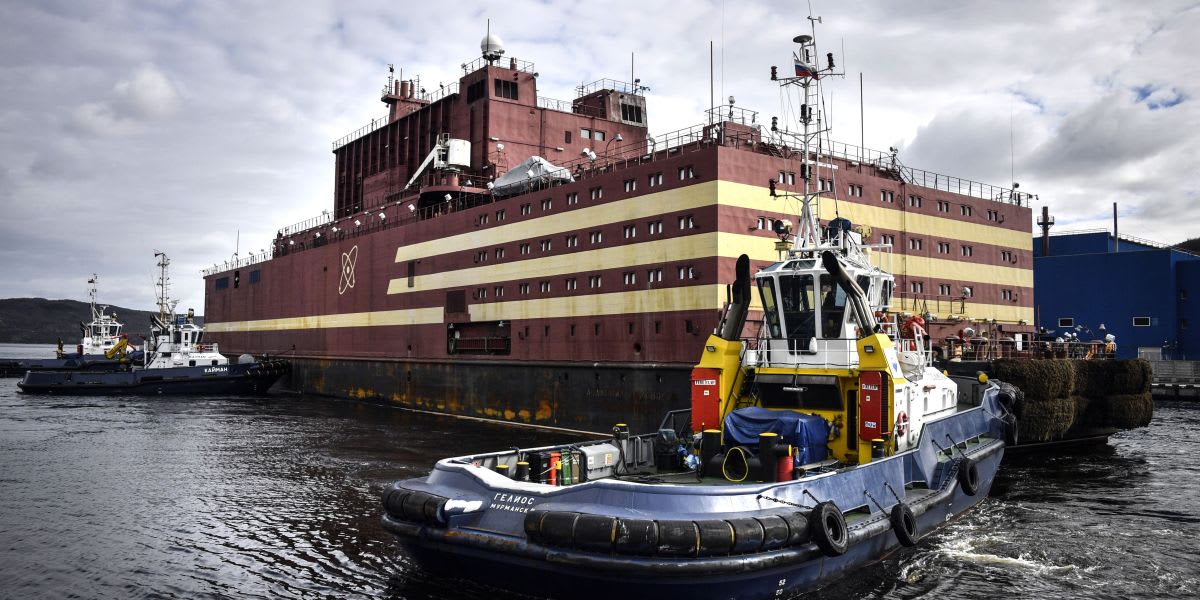
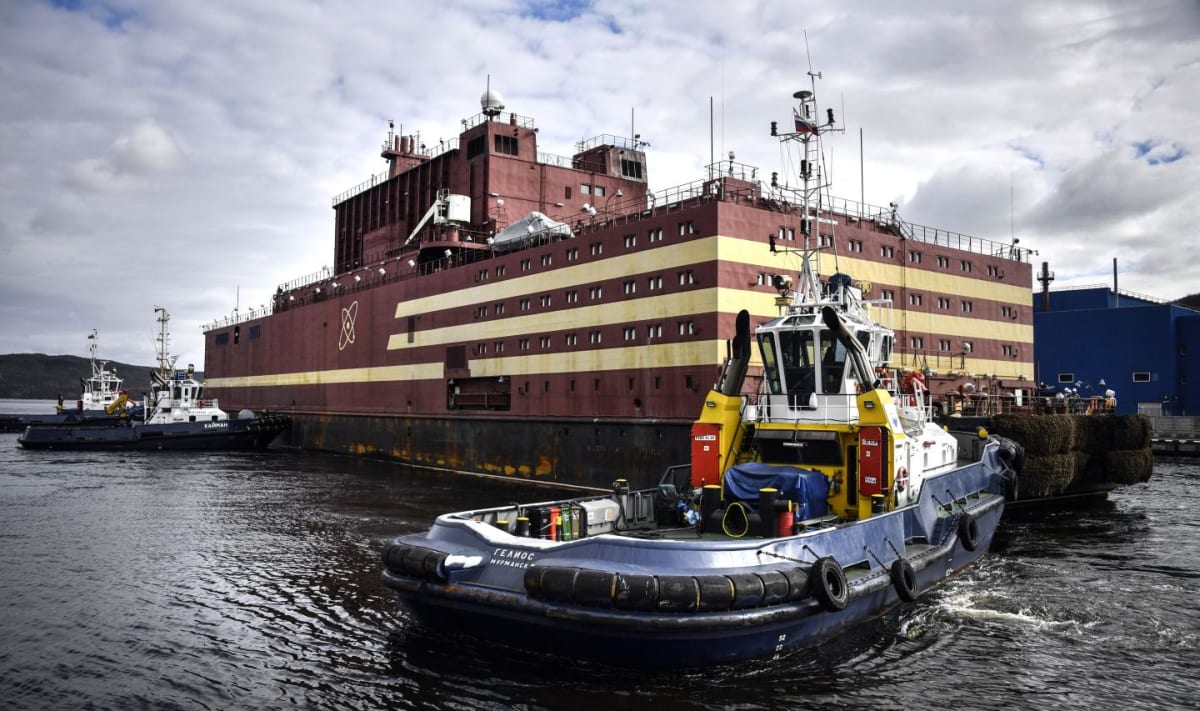
The idea might sound futuristic, but the technology already exists. U.S. Navy submarines and aircraft carriers have run on compact nuclear reactors for decades. Russia launched the world's first floating nuclear power station in 2020, successfully powering a remote Arctic town of 4,000 people.
Now Long Beach is scaling up the concept. The port is working with local startup Bluecore Energy to build reactors that can be moved by tugboats and connected to shore via underwater cables. Each 10-megawatt reactor can power about 10,000 homes and only needs refueling every two to three years instead of constantly burning fossil fuels.
The timing couldn't be better. Maritime shipping produces about 3% of global greenhouse gas emissions, roughly equal to all of Africa's total emissions combined. Nuclear-powered ships could slash those numbers while traveling faster and farther between refueling stops.
This week, the U.S. Department of Transportation partnered with a London-based company to develop nuclear-powered cargo vessels. A day later, the U.S. and International Atomic Energy Agency launched a new initiative to advance small reactor technologies for merchant shipping with the highest safety standards.
The Ripple Effect spreads far beyond California's coast. Denmark-based Saltfoss Energy is developing similar nuclear barges in Europe. The federal government is building regulatory frameworks to make offshore nuclear power a reality across military, commercial shipping, and energy applications.
The biggest hurdle? California banned new nuclear plants in 1976 over environmental and safety concerns. But state lawmakers are already debating legislation to study lifting that ban. Port CEO Noel Hacegaba acknowledges the journey will take years and require both state and federal approvals.
Bluecore Energy founder Kofi Asante, a 31-year-old Silicon Valley veteran who raised $10 million in January, believes his company solved the real estate problem. Two-thirds of Earth is water, and floating reactors can sit miles offshore, away from neighborhoods, providing clean and consistent power exactly where coastal cities need it most.
The technology opens doors for remote communities and growing AI data centers that need massive amounts of reliable electricity. Nuclear analyst Max Hopkins calls offshore barges "almost ideal" for fast deployment, though he emphasizes the supply chains and manufacturing systems still need years to develop.
Long Beach and its neighboring Port of Los Angeles form the largest container port complex in the Western Hemisphere, making this the perfect testing ground for technology that could reshape how the world powers its coastal future.
More Images



Based on reporting by Google News - Business
This story was written by BrightWire based on verified news reports.
Spread the positivity!
Share this good news with someone who needs it