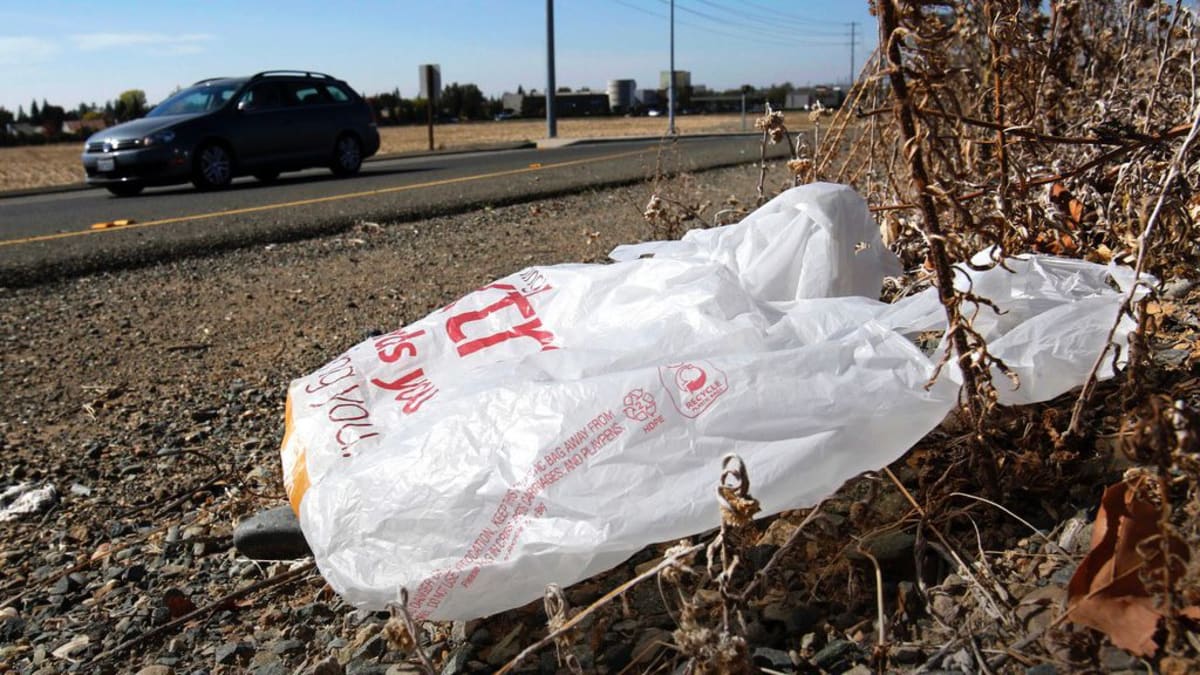
California Shifts Plastic Cleanup to Producers, Not People
California just made plastic producers responsible for reducing their own waste instead of making consumers do all the work. The new law could protect ocean wildlife and human health by cutting down on harmful microplastics.
California just flipped the script on plastic pollution, and ocean animals might finally catch a break.
Senate Bill 54 went into effect this week, making plastic producers and brands responsible for reducing single-use plastics instead of putting that burden on everyday people. Everything from takeout containers to packaging materials now falls under the new requirements.
The law represents a major shift in how California tackles plastic waste. For years, consumers have sorted recycling bins and carried reusable bags while plastic production kept climbing.
Oceana, an international environmental advocacy group that helped write the law, says the change addresses a critical problem for marine life. Legal campaign director Tara Brock explained that sea creatures often eat plastic by accident or get trapped in it.
The health risks extend beyond ocean wildlife. When animals ingest plastic, the materials break down into tiny particles called microplastics. Those particles eventually make their way into the food chain and pose risks to human health too.
The Ripple Effect
This producer-focused approach could create waves far beyond California's borders. When the nation's most populous state changes its packaging rules, companies often adjust their practices nationwide rather than maintaining different systems for different markets.
The law gives plastic producers a direct financial incentive to innovate. Instead of making cheap single-use items and leaving cleanup to cities and consumers, brands now face accountability for the full lifecycle of their products.
Marine ecosystems stand to benefit almost immediately. Less plastic entering the ocean means fewer animals harmed by ingestion or entanglement. Cleaner waters support healthier fish populations, which strengthens the entire marine food web.
The microplastics problem gets attention at its source too. By reducing overall plastic production, the law cuts down on the particles that break off and contaminate water, soil, and eventually our food supply.
California has a history of environmental regulations that other states later adopt. Vehicle emission standards, renewable energy requirements, and chemical safety rules all started in California before spreading nationwide.
The new law puts California at the forefront of a global conversation about plastic responsibility. Countries around the world are watching to see how producer accountability works in practice.
With major brands now facing pressure to redesign their packaging and distribution systems, we might see innovation in sustainable materials accelerate faster than anyone expected.
More Images




Based on reporting by Google News - Plastic Reduction
This story was written by BrightWire based on verified news reports.
Spread the positivity!
Share this good news with someone who needs it


