California Startup Makes Flying as Easy as Driving
A California aerospace company just completed test flights of a revolutionary cockpit system that could make flying a small plane as simple as driving a car. The technology removes complex controls and uses AI to guide pilots through every step of flight.
Flying a plane might soon feel as natural as driving to the grocery store, thanks to a California company that just successfully tested technology designed to democratize the skies.
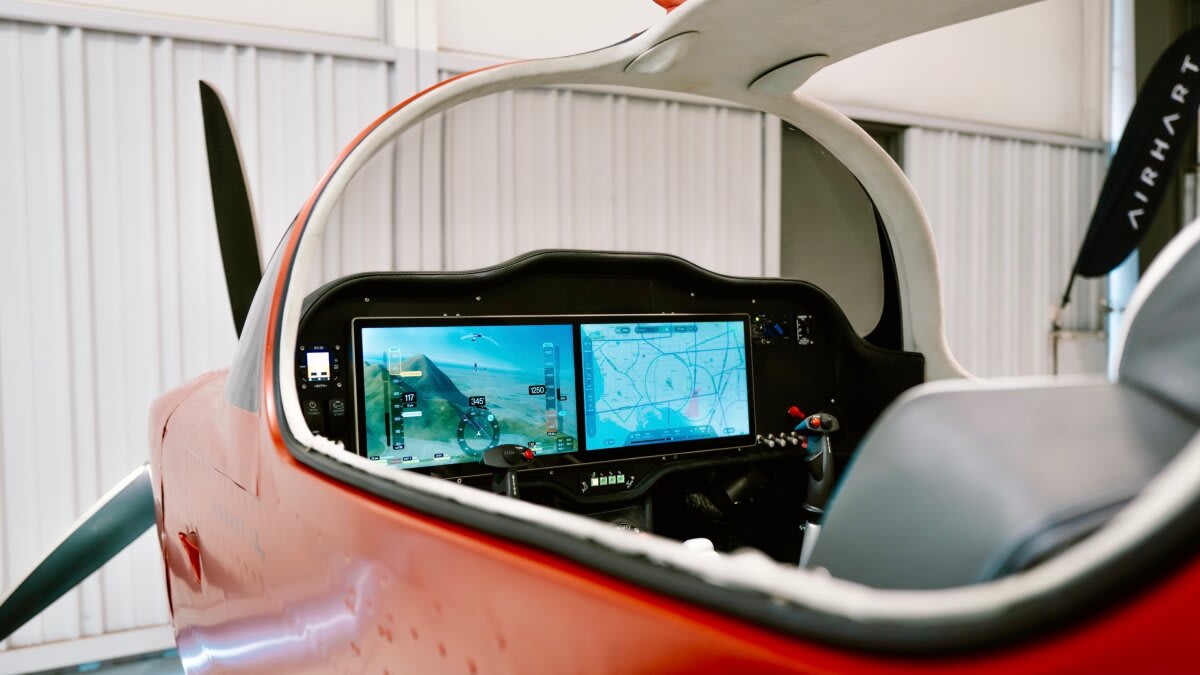
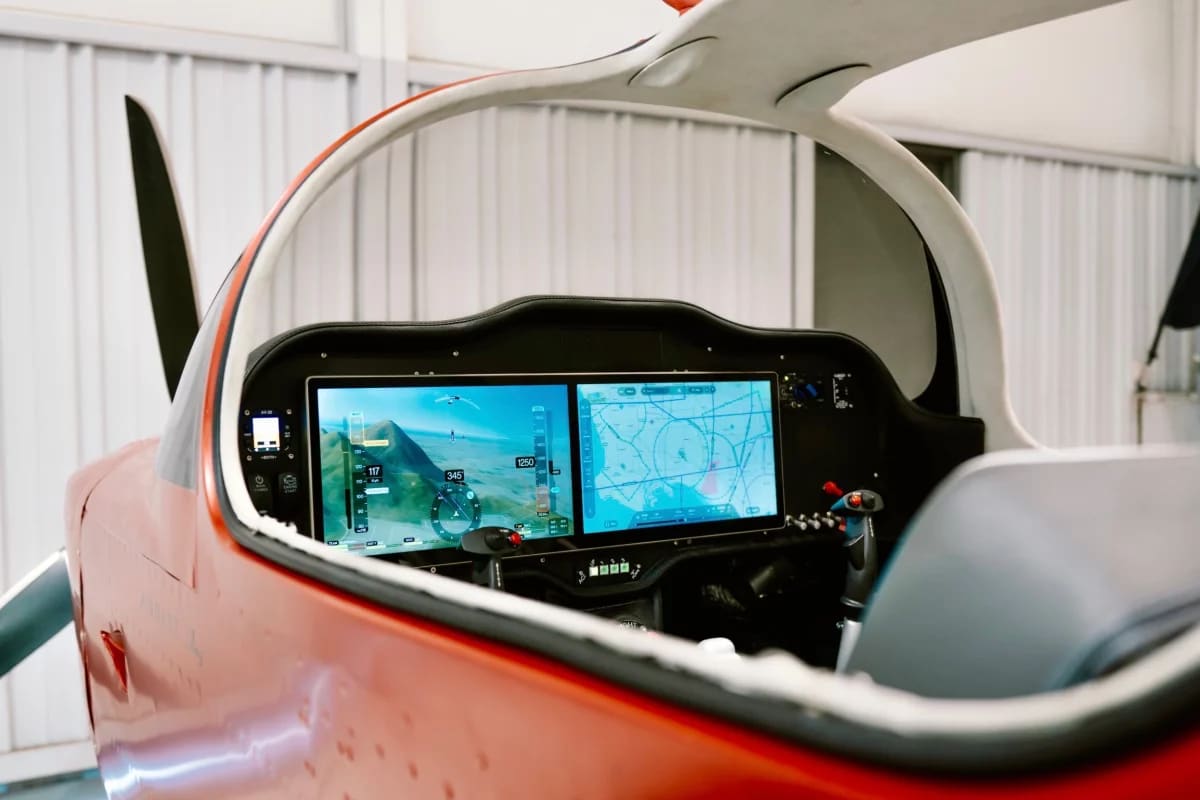
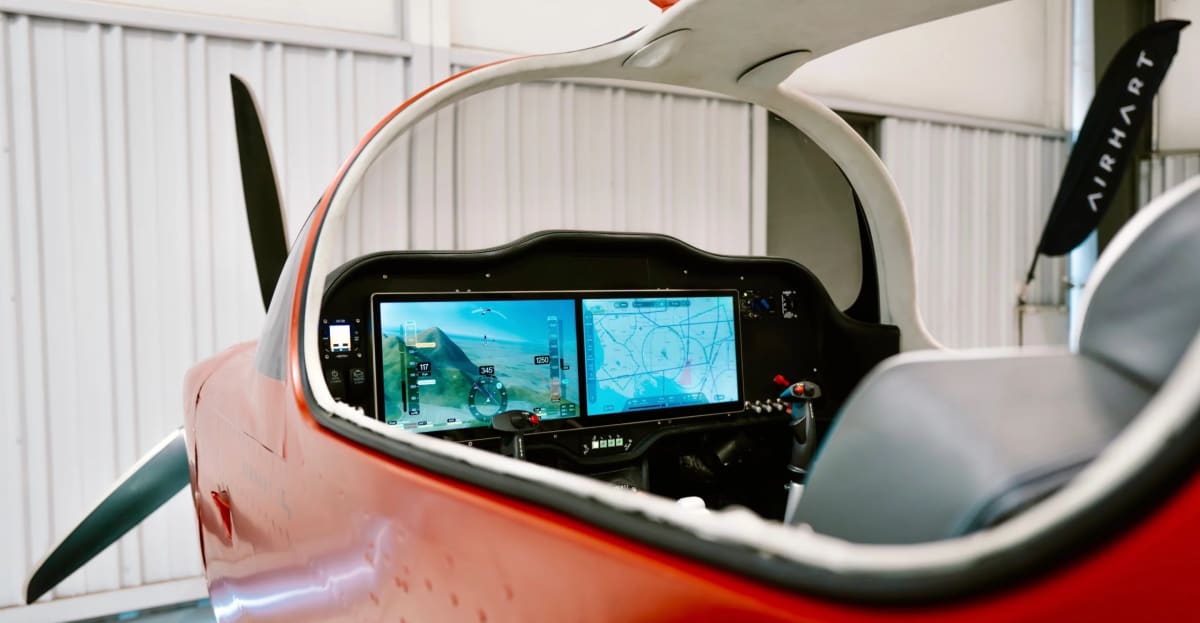
Airhart Aeronautics completed test flights of its revolutionary cockpit system in Long Beach this April. The system replaces traditional airplane controls with intuitive, car-like interfaces that even remove the rudder pedals pilots have used for over a century.
"We saw a literal lightness once the burden of micro-tasks is lifted," says Nate Thuli, the company's president. The test flights on their modified Sling aircraft proved the concept works in real conditions, not just on paper.
The system uses massive 14-inch displays, the largest and brightest in small aviation. But the real magic happens behind the screens, where AI acts like a patient flight instructor sitting beside you.
The technology transcribes radio communications so pilots can read rather than just hear air traffic control. Context-aware prompts guide users through each phase of flight. Swipe gestures replace finicky buttons, because tapping tiny icons while bouncing through turbulence is nearly impossible.
The company is developing fly-by-wire controls that put a smart computer between the pilot's hand and the aircraft's surfaces. This stabilizes the plane automatically and reduces the constant tiny adjustments traditional flying demands.
Why This Inspires
Thuli draws a powerful comparison to how cars evolved. Twenty years ago, competent drivers needed to master manual transmissions. Today, technology handles those complexities so drivers can focus on safety.
Aviation is following the same path. The cognitive burden of managing airspeed, heading, altitude, and radio calls simultaneously has kept flying exclusive and intimidating. This system shoulders much of that mental load.
The April test revealed practical insights too. The bright California sun made the displays perfectly visible but heated the metal bezels. The team is applying new coatings, the kind of real-world refinement that only comes from actual flight testing.
Airhart's three-phase vision starts with these smart displays, adds simplified fly-by-wire controls, then culminates in an entirely new aircraft design built around accessibility from the ground up. The company is already refining the interface and shrinking the flight computer for production models.
The implications reach beyond weekend pilots. Making aviation more accessible could transform regional travel, emergency response, and how we think about personal transportation.
The skies might not be quite ready for everyone yet, but they're getting closer every test flight.
More Images

Based on reporting by New Atlas
This story was written by BrightWire based on verified news reports.
Spread the positivity!
Share this good news with someone who needs it