California's 1M EVs Could Power Homes and Earn Owners $3,200
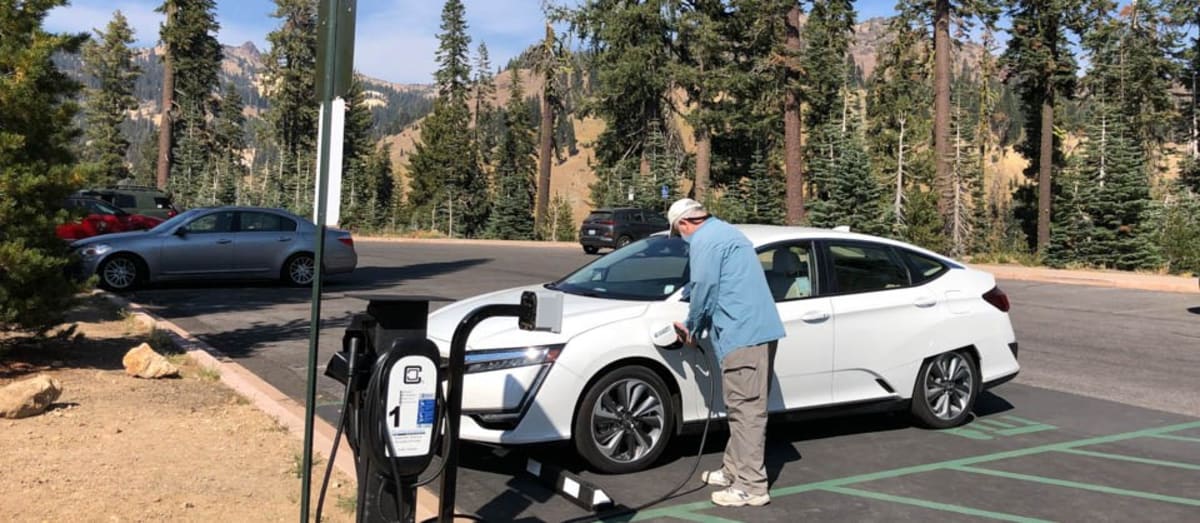
Electric vehicle owners in California can now get paid to send power back to the grid during peak hours. PG&E's expanded program turns parked cars into portable power plants that help the state meet clean energy goals.
Imagine your parked car not only storing energy but earning you thousands of dollars a year while helping power your neighbor's home.
PG&E just expanded a groundbreaking program that lets electric vehicle owners sell energy back to California's grid when demand spikes. The utility announced Monday that new car brands and charging systems are joining the pilot, making this futuristic technology available to more drivers across the state.
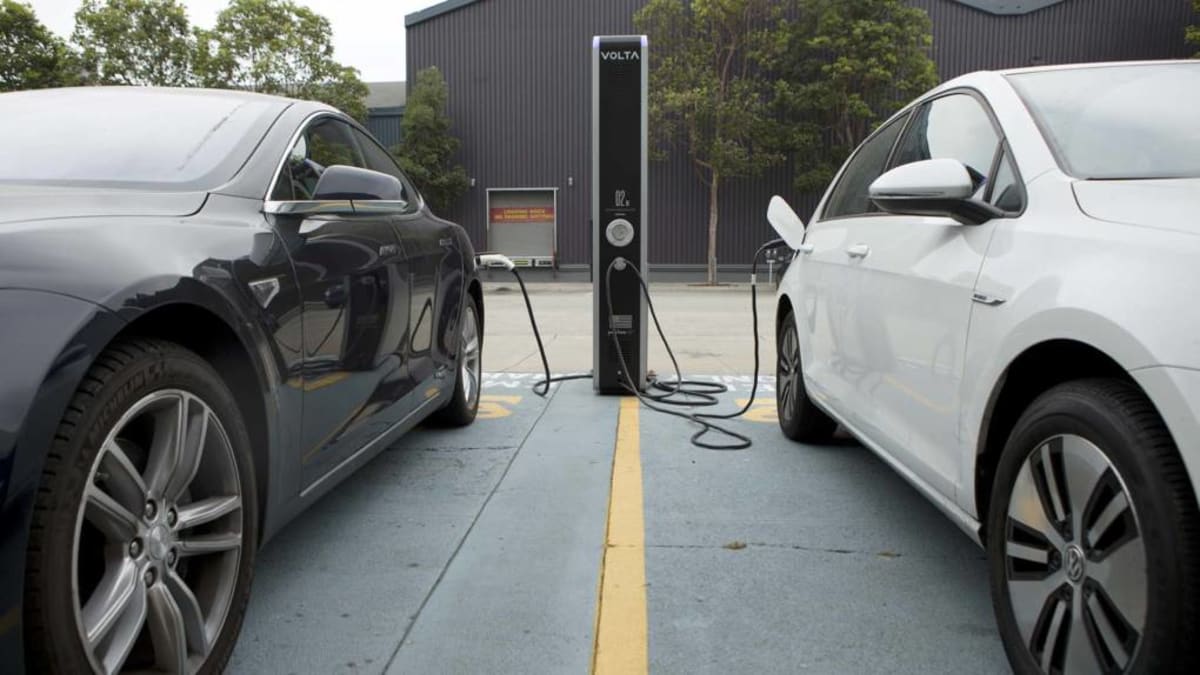
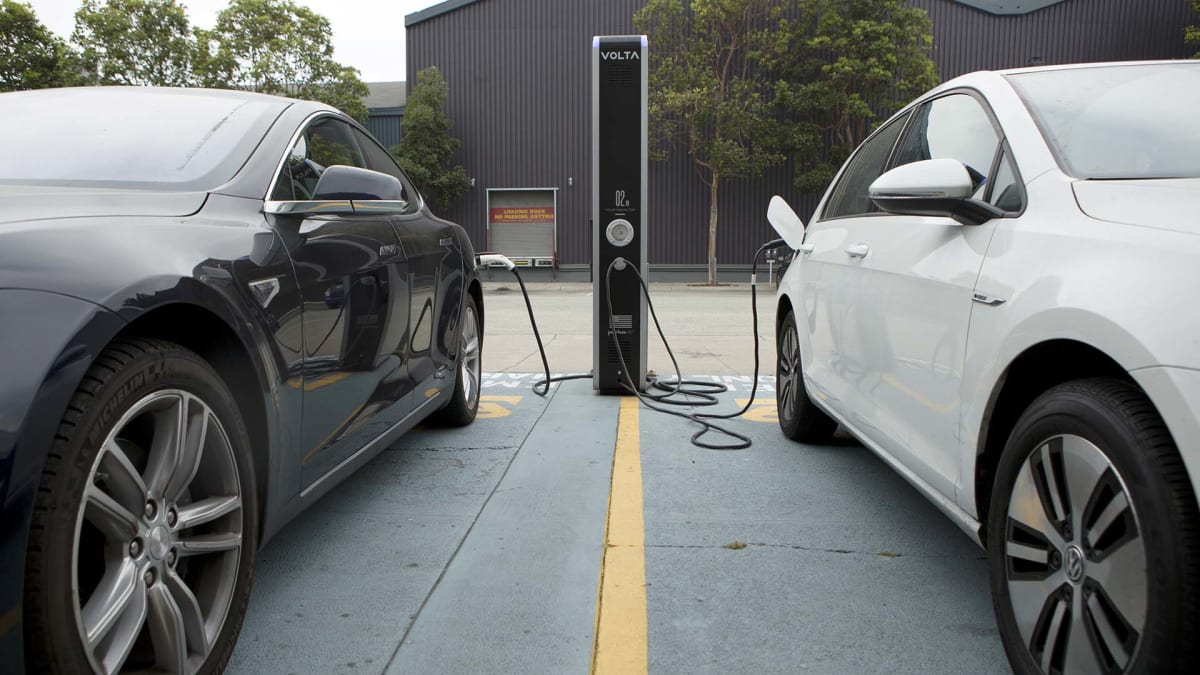
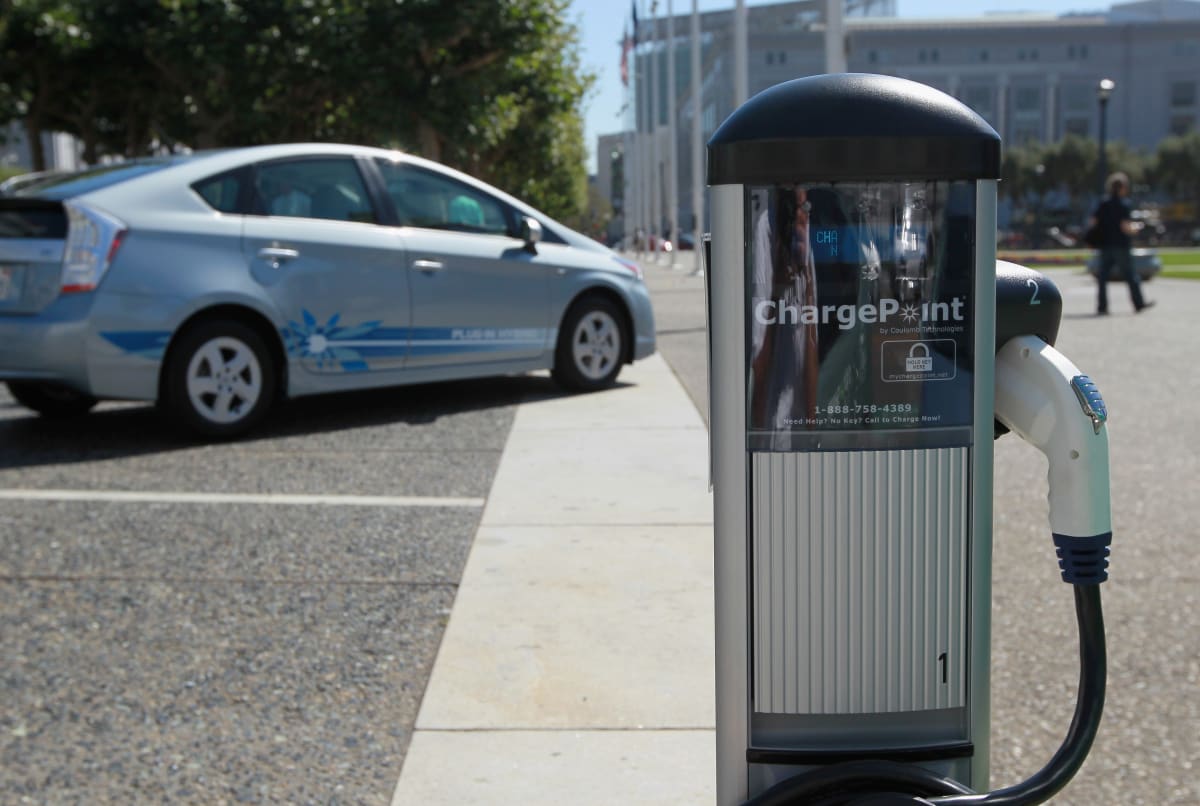
Here's how it works: bidirectional charging allows EVs to store clean energy from solar and wind, then send it back to the grid when electricity prices peak. Your car essentially becomes a portable battery that supports the entire electrical system.
California has over 1 million electric vehicles, more than any other state. If these cars could share their stored power, they'd make a serious dent in the state's energy storage needs. The state requires 52,000 megawatts of storage capacity to hit its clean energy targets, about double what exists today.
The program started small in 2023 with just 51 residential customers. Now Kia, Volvo, Polestar and Nissan are joining, along with new charging equipment from Wallbox, dcbel, PowerFlex and Bidirectional Energy.
The financial benefits look promising. Participants can save about $1,300 yearly by charging when electricity is cheapest, typically midday when solar power floods the grid. They can earn another $3,200 annually by selling power back during expensive evening hours between 6 p.m. and 10 p.m.
The upfront costs remain significant. Bidirectional charging systems range from $9,000 to $13,800, though rebates help soften the blow. PG&E offers $2,500 to all participants, with an extra $1,500 for the first 250 people who sign up. Only 51 spots of those 250 have been claimed so far.
The utility and equipment makers are working to simplify the complicated interconnection process required by California regulators. Companies like dcbel promise white glove service, handling installation, permits and inspections that typically take three to five months.
The Ripple Effect
This technology represents more than personal savings. Every participating vehicle becomes a community resource that utilities can tap without owning, helping manage the grid and integrate more renewable energy sources.
The smart systems handle everything automatically. If you plug in after work during peak pricing, your car powers your home instead of drawing from the expensive grid. Later at night when prices drop, it switches to charging mode. You never have to think about it.
California expects 8 million electric vehicles on its roads by 2035. As more drivers join programs like this, those millions of parked cars transform into a massive distributed energy network that makes clean power more reliable for everyone.
Your next car might not just get you to work; it could help power an entire state's clean energy future.
More Images
Based on reporting by Google News - Electric Vehicle
This story was written by BrightWire based on verified news reports.
Spread the positivity!
Share this good news with someone who needs it