California's Parked EVs Could Power 9GW of Grid Storage
California's electric vehicles could soon help power the grid when demand spikes, turning millions of parked cars into a massive energy storage system. A new report shows just 10% of the state's EVs could deliver one-third of California's 2036 storage goals.
Millions of electric vehicles sitting in California driveways could become one of the state's largest energy storage systems, helping keep the lights on during peak demand without building expensive new power plants.
A new report from GridLab, Kevala, and Energy and Environmental Economics reveals that enrolling just 10% of California's projected EVs in vehicle-to-grid programs by 2036 could supply around 9 gigawatts of power for 12 hours. That's 108 gigawatt-hours of storage, enough to meet more than one-third of the state's long-duration energy storage target.
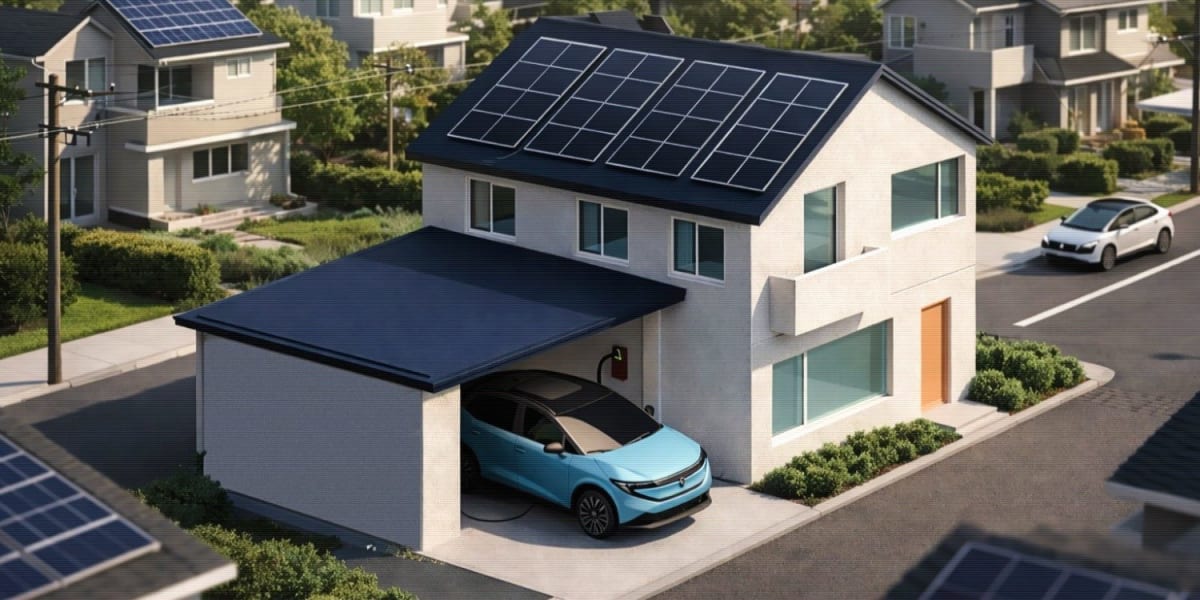
The technology works beautifully in its simplicity. Compatible EVs can send power from their batteries back to the grid when electricity demand is high, then recharge when power is cheaper and cleaner, like during midday when solar panels are producing at their peak.
California already has the equipment it needs. The bigger challenge is making it easy and worthwhile for people to participate.
Right now, different utilities have different rules, payment structures, and enrollment requirements. It's confusing and frustrating for EV owners who want to help but face a maze of red tape.
The report calls for standardized programs across California with a crucial twist: pay people for the measurable value their EVs provide, not just for signing up. When people can see the real financial impact of their participation, they're more likely to join and stay engaged.
The proposal also recommends paying participants slightly less than what utilities save, leaving some savings for customers who don't own EVs. This affordability guardrail addresses concerns that incentive programs might unfairly shift costs onto people who can't afford electric vehicles or home batteries.
The Ripple Effect
Vermont's Green Mountain Power already shows how this works in practice. Their virtual power plant program lowers electricity prices for households with battery storage and for all customers across the board.
A 2024 study estimated that virtual power plants using existing technology could meet more than 15% of California's peak electricity demand and save utilities and customers $550 million annually. Those savings represent real relief for families and businesses struggling with high energy costs.
Even simpler approaches can help immediately. Instead of millions of EVs charging during expensive evening peak hours, utilities can schedule charging during lower-cost periods overnight or midday when renewable energy is abundant.
The beauty of this approach is that California doesn't need to build more infrastructure to solve its energy storage challenge. The solution is already parked in garages and driveways across the state, waiting to be unlocked.
More Images


Based on reporting by Electrek
This story was written by BrightWire based on verified news reports.
Spread the positivity!
Share this good news with someone who needs it