California's Smart Pricing Could Cut Peak Demand by 8.75 GW
California homes and businesses could slash peak electricity demand by up to 8.75 GW by 2030 just by using smart thermostats, EV chargers, and other devices that respond to electricity prices. The best part? Customers would save more money on their electric bills than the equipment costs.
Imagine if your water heater automatically warmed up during sunny afternoons when solar power is abundant and cheap, instead of during expensive evening hours when the grid is strained. That simple shift could transform California's electricity system while putting money back in your pocket.
A new study from Lawrence Berkeley National Laboratory shows that six types of smart, price-responsive equipment could reduce California's peak electricity demand by up to 8.75 GW by 2030. That's enough power to serve roughly 6 million homes during the hottest summer afternoons.
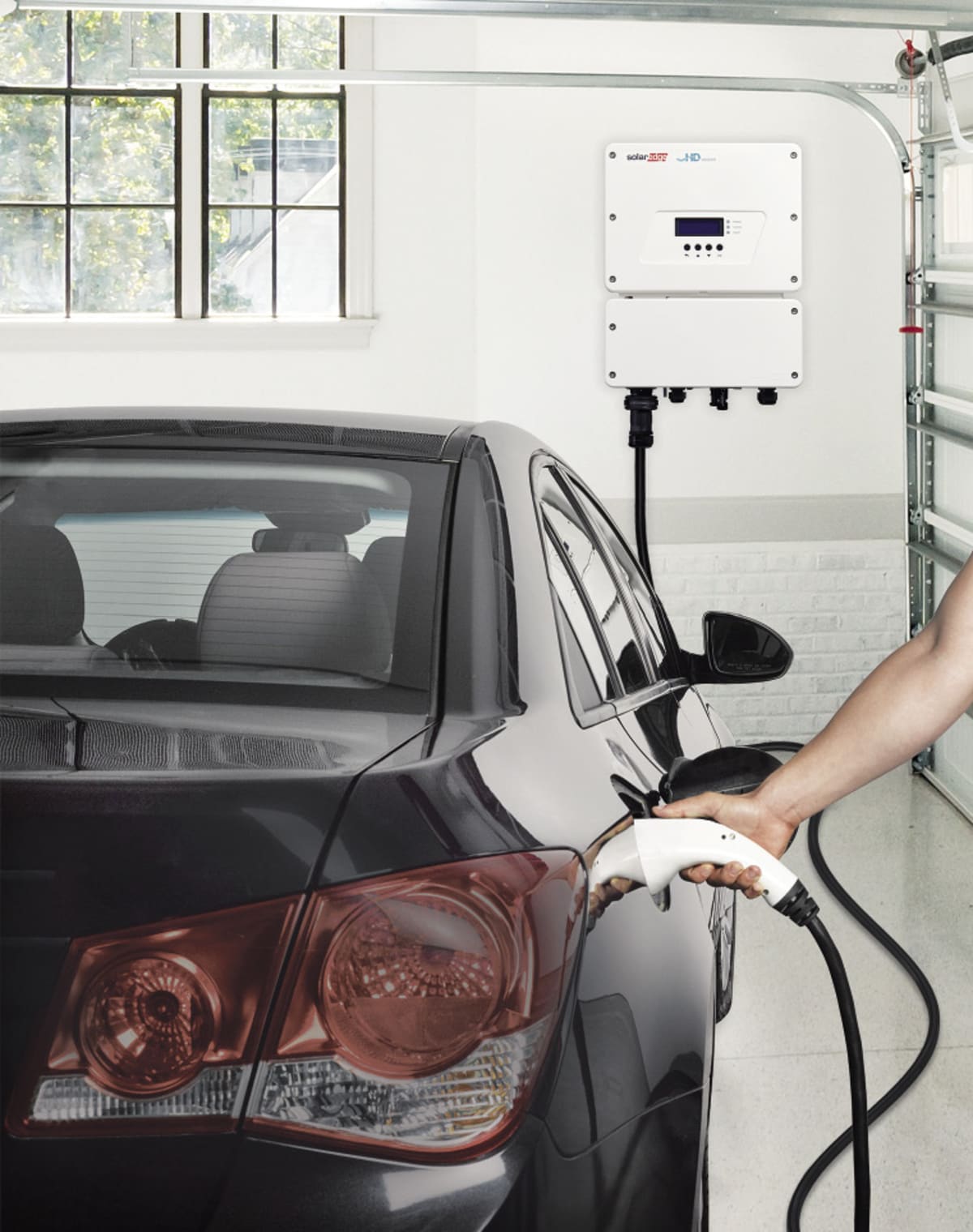
The equipment isn't futuristic technology. We're talking about smart thermostats, electric vehicle chargers, water heaters, and pool controls that automatically shift energy use to times when electricity is cheaper and cleaner. These devices charge your car or heat your water when solar generation floods the grid with low-cost power.
California utilities and community choice aggregators will be required to offer dynamic pricing options to customers by 2027. Under this system, electricity costs less when supply is high (think sunny afternoons) and more during peak demand hours.
The financial case is compelling. For electric vehicle charging and water heating, customer savings would "greatly exceed equipment costs" under all pricing scenarios the researchers examined. Smart EV chargers and thermostats would typically pay for themselves in under three years through lower electricity bills.
The Ripple Effect
When thousands of customers shift their energy use in response to price signals, something remarkable happens to the entire grid. The system develops what researchers call a "more renewable-friendly net load shape," reducing emissions and cutting the waste of curtailing solar power when generation exceeds demand.
Lower peak demand means California utilities won't need to build as much expensive infrastructure designed just to serve those handful of highest-usage hours each year. Those avoided costs could eventually lower rates for everyone, even customers who don't use smart equipment.
The state aims to reach 7 GW of flexible load by combining 3 GW from price-responsive appliances with 4 GW from traditional demand response programs. The new study suggests they might exceed that target.
Since California issued a flexible demand standard for swimming pool controls in 2023, manufacturers have already developed 73 models that meet the requirement. The state is now developing similar standards for electric water heaters and EV chargers.
The transition requires customer participation, but the incentives align perfectly: save money while helping integrate more renewable energy into the grid. California's sunny future just got a little brighter.
More Images

Based on reporting by PV Magazine
This story was written by BrightWire based on verified news reports.
Spread the positivity!
Share this good news with someone who needs it