Camarines Norte Puts Climate Education in Classrooms
Coastal communities in the Philippines are breaking the cycle of disaster by bringing climate education directly into local classrooms. Thanks to youth-led advocacy, Camarines Norte is empowering the next generation to guide its clean energy transition.
For generations, families living along the eastern shores of the Philippines faced typhoon season with quiet anxiety and resilient patience. Today, a passionate youth movement is rewriting that story by turning vulnerable coastal towns into informed champions of their own environmental destiny.
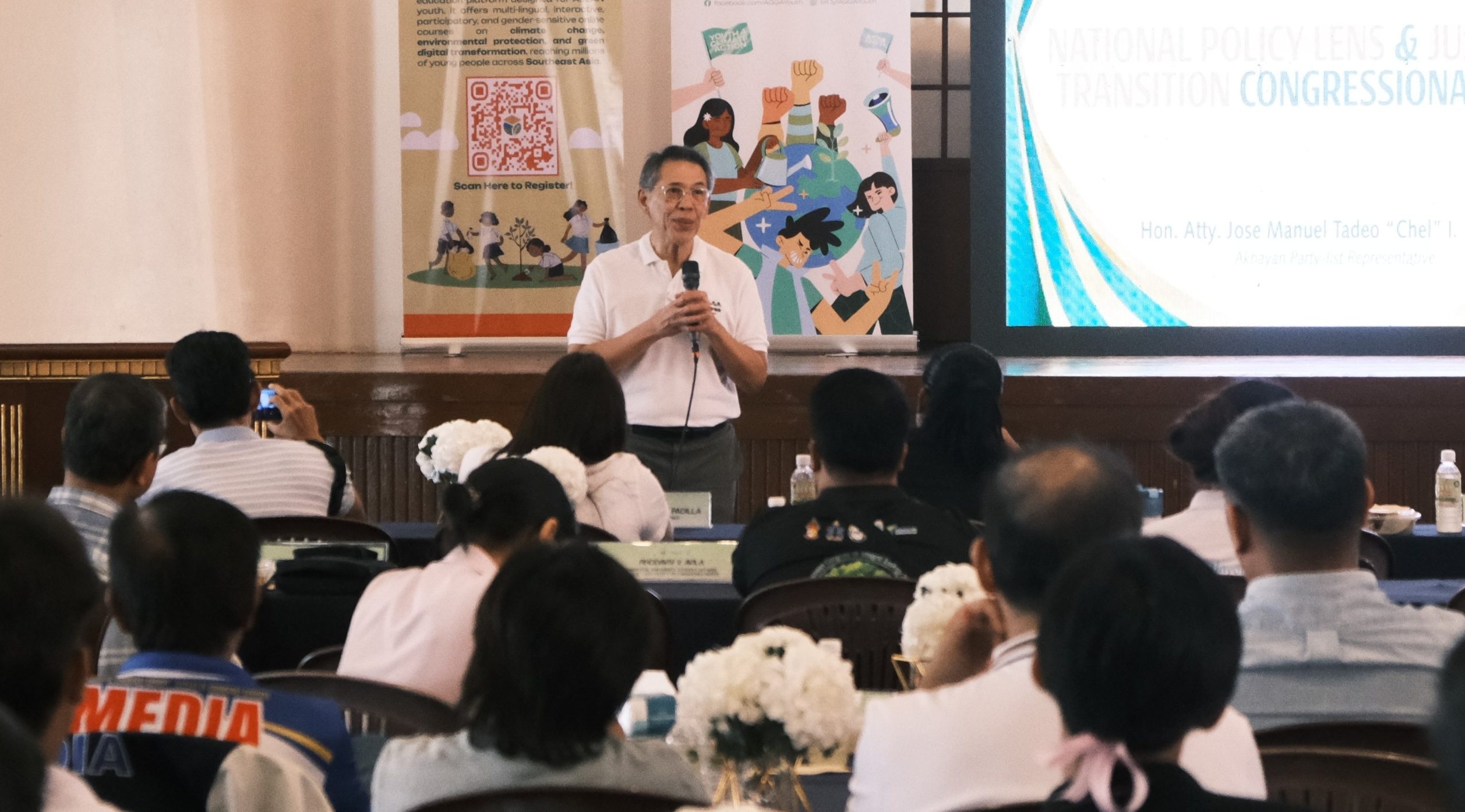
In Camarines Norte, grassroots organizers recently achieved a historic victory by inspiring the provincial government to designate October as Climate Literacy Month. This pioneering policy permanently embeds practical climate education directly into school curricula across the entire region.
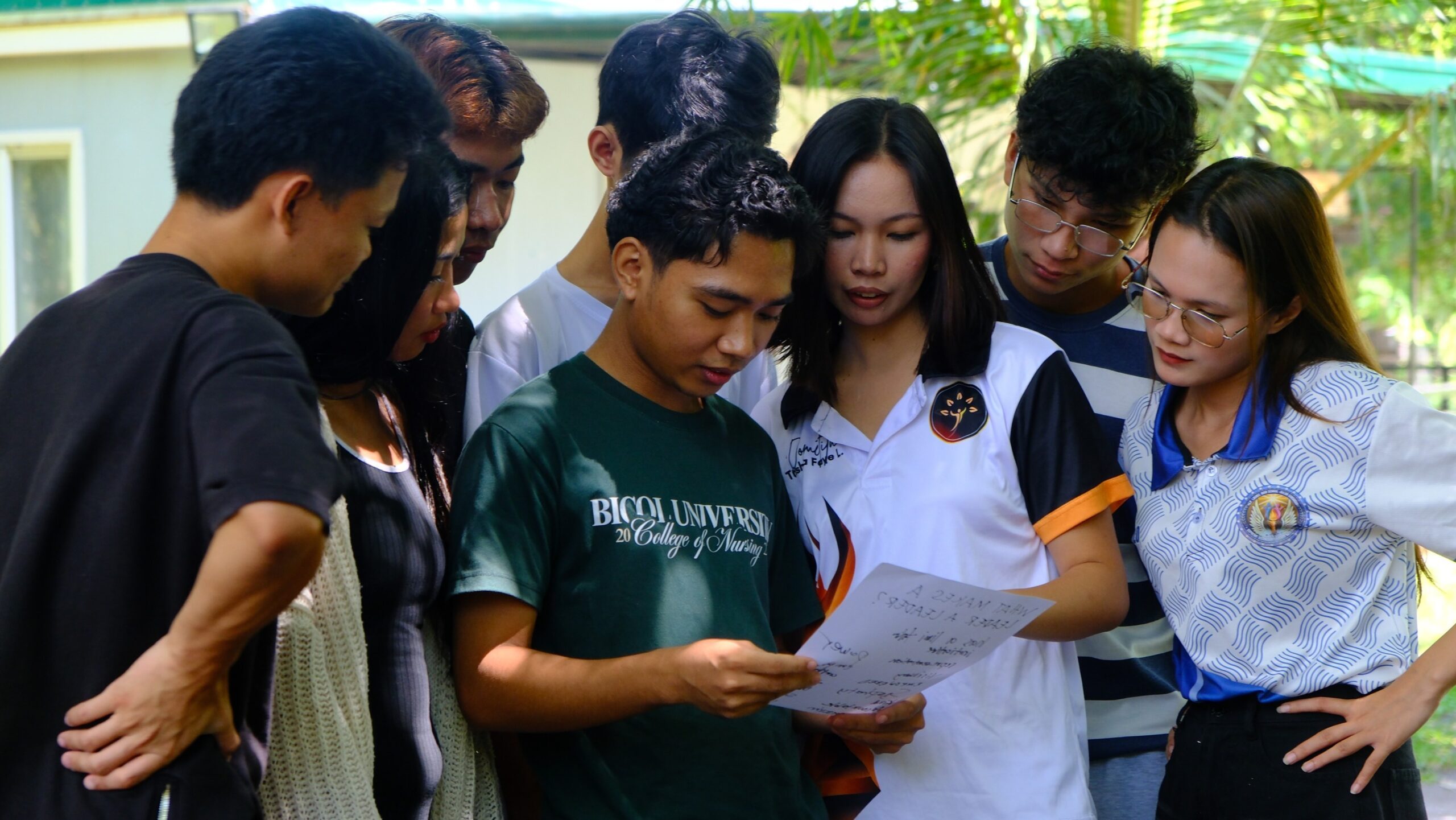
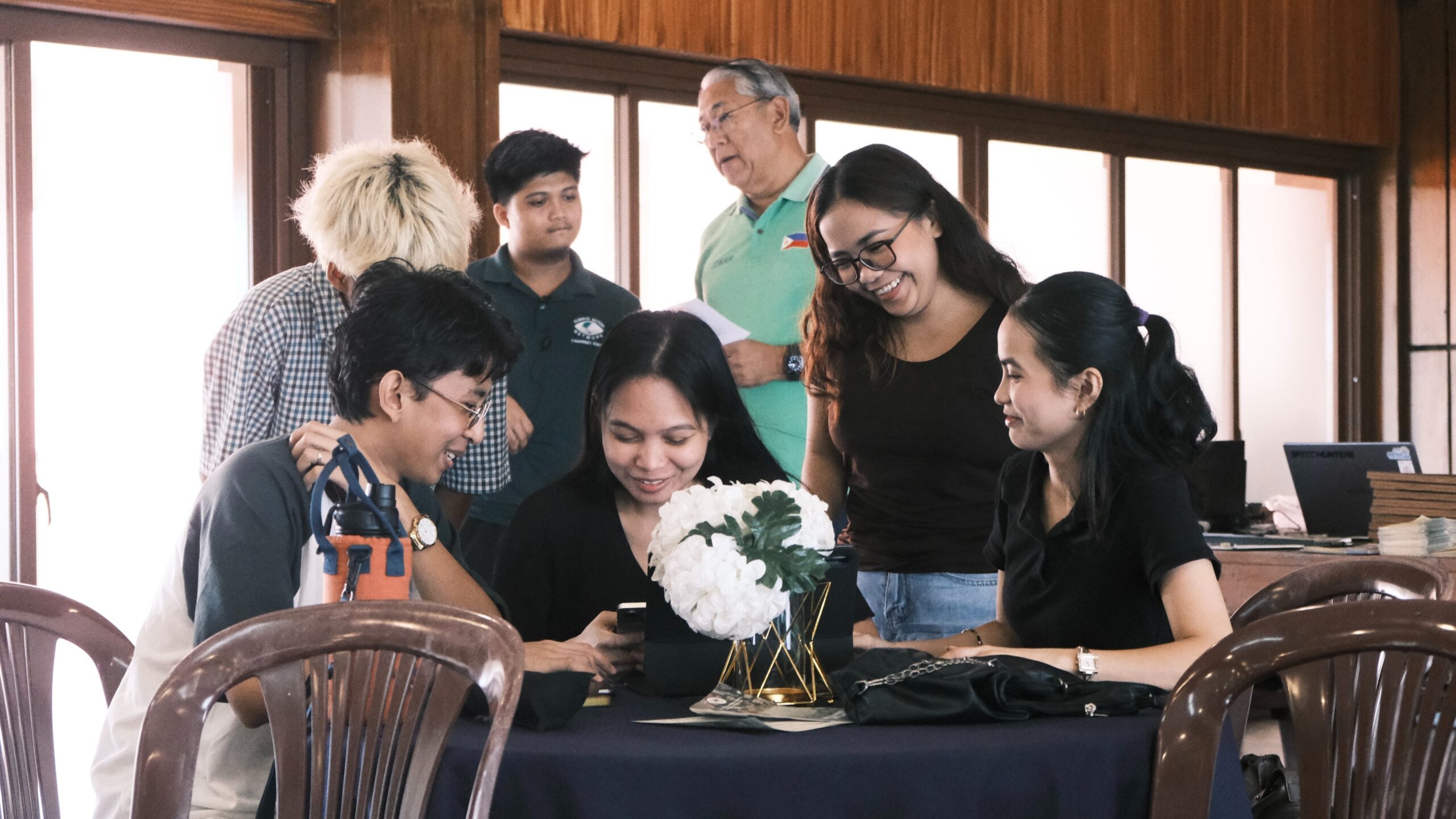
The breakthrough began when the Climate Action Network Camarines Norte joined forces with youth coalition Reboot Philippines to build a diverse grassroots coalition. Together, they gathered teachers, students, and community elders to champion education as the most effective shield against climate disruption.
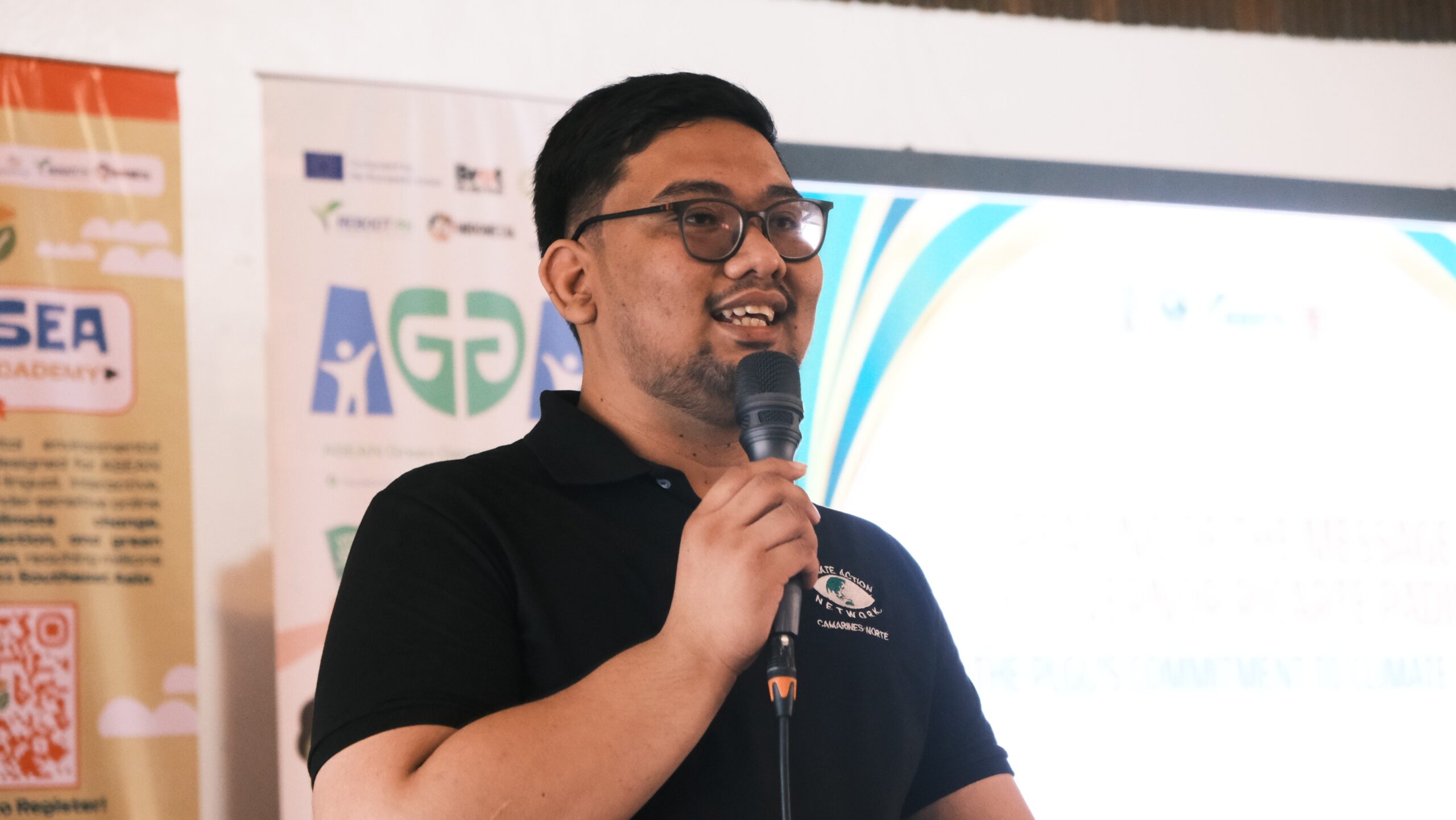
Adonis Salen II, the executive director of the network, recognized that coastal towns needed more than temporary relief packages after storms. He envisioned a forward-thinking school system where every young student learns the mechanics of climate science and the civic tools required to shape local policy.
The timing could not be more vital, as Camarines Norte rapidly emerges as a major hub for renewable energy innovation. Just last month, the province celebrated the opening of a ten-megawatt solar farm in the municipality of Labo, supplying locally generated clean electricity directly to families.
Additional clean power investments are expanding quickly, including a planned offshore wind project designed to generate one thousand megawatts of renewable electricity. As these mega-projects arrive, educated residents are stepping forward to ensure that agricultural lands and coastal fishing grounds remain respected and protected.
Christian Jay Marmol, a youth organizer with Reboot Philippines, stressed that real climate solutions require more than just solar panels and wind turbines. The transition must remain just and community-centered, ensuring that local farmers and fisherfolk participate actively in every stage of development.
The Ripple Effect
As the first legislative action of its kind in the Bicol region, this education mandate unlocks dedicated public funding for ongoing youth-led environmental initiatives. Volunteer networks are already fanning out across rural barangays, translating formal classroom curricula into practical, accessible town-hall discussions for neighborhood families.
Organizers believe this community-first model will serve as an inspiring guide for coastal regions everywhere looking to break the cycle of disaster dependency. When young people possess both deep scientific knowledge and strong civic platforms, they can successfully defend their communities while welcoming clean innovation.
With knowledge in their hands, these coastal communities are stepping boldly into a cleaner, self-reliant future.
More Images

Based on reporting by Rappler Philippines
Play Today’s BrightWire Positive Mini Crossword & Word Game
Keep your mind sharp with our free 5-minute uplifting daily crossword and positivity word puzzle.
Spread the positivity!
Share this good news with someone who needs it