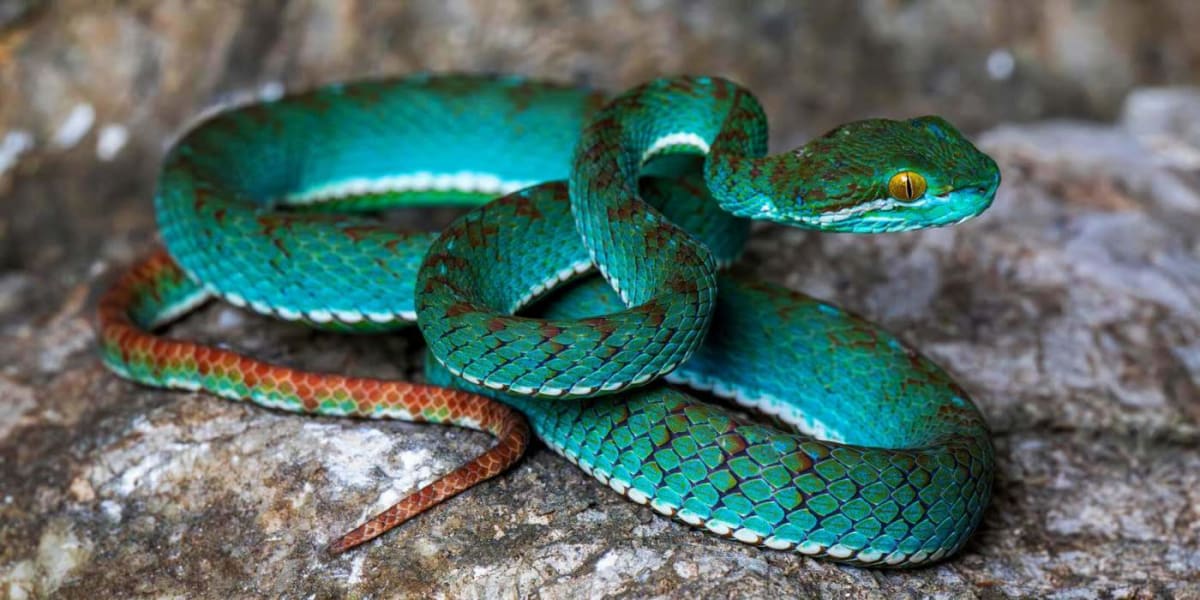
Cambodia Caves Yield Stunning New Viper and 10 Other Species
Scientists exploring Cambodia's limestone caves discovered 11 new species, including a spectacular pit viper and geckos found nowhere else on Earth. The expedition reveals how these isolated cave systems act as nature's laboratories, creating unique life forms.
Deep inside Cambodia's limestone caves, researchers just found creatures that have never been seen before, including a pit viper so dazzling it's hard to believe it's real.
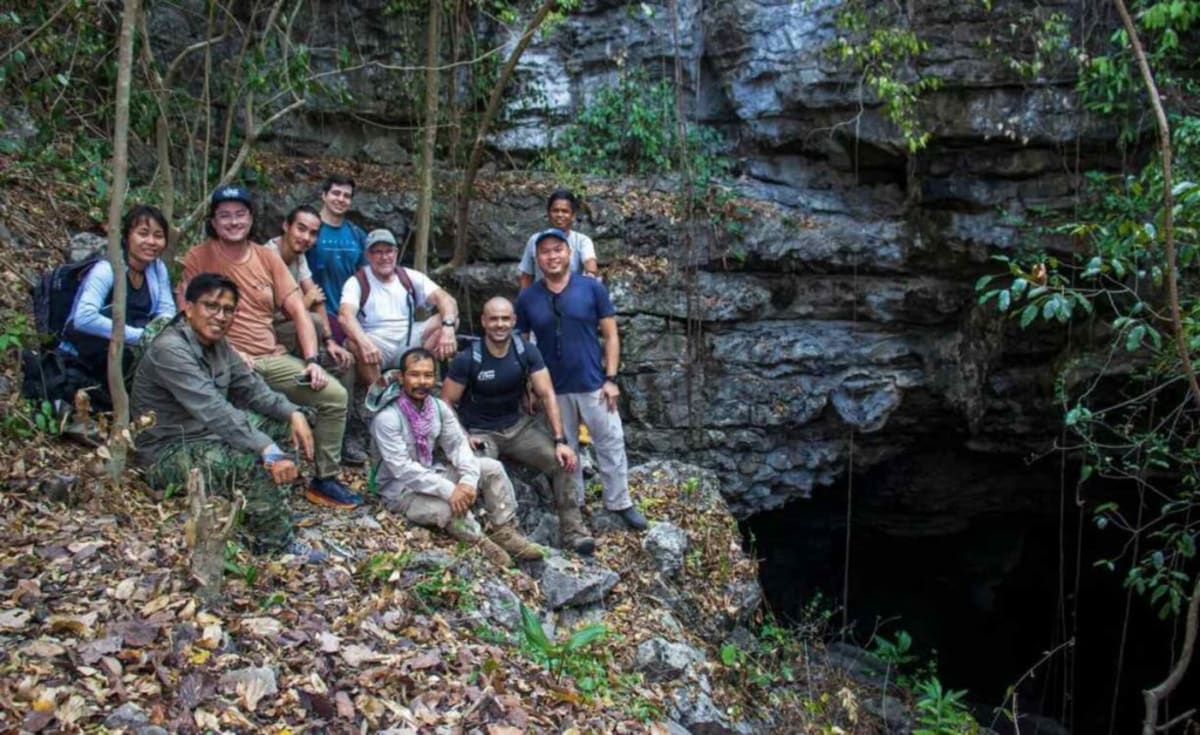
The expedition team explored over 60 caves across 10 hills in Battambang province, western Cambodia. They discovered 11 new species: six geckos, two micro-snails, two millipedes, and one stunning pit viper.
Fauna & Flora International led the survey with Cambodia's Ministry of Environment and field experts. The team also spotted threatened animals in the surrounding landscape, including the Sunda pangolin, Indochinese silvered langur, long-tailed macaque, and green peafowl.
Getting to these discoveries wasn't easy. Scientists first climbed steep forested slopes, then squeezed through crevices and crawlspaces to reach the cave systems deep inside the karst formations.
Dr. Lee Grismer, a biology professor at La Sierra University who joined the expedition, explained why these caves are so special. "Each one of these isolated karst areas act as their own little laboratory where nature is performing the same experiment over and over independently," he said.
The results are species that exist nowhere else. Not just nowhere else in the world, but in no other cave.
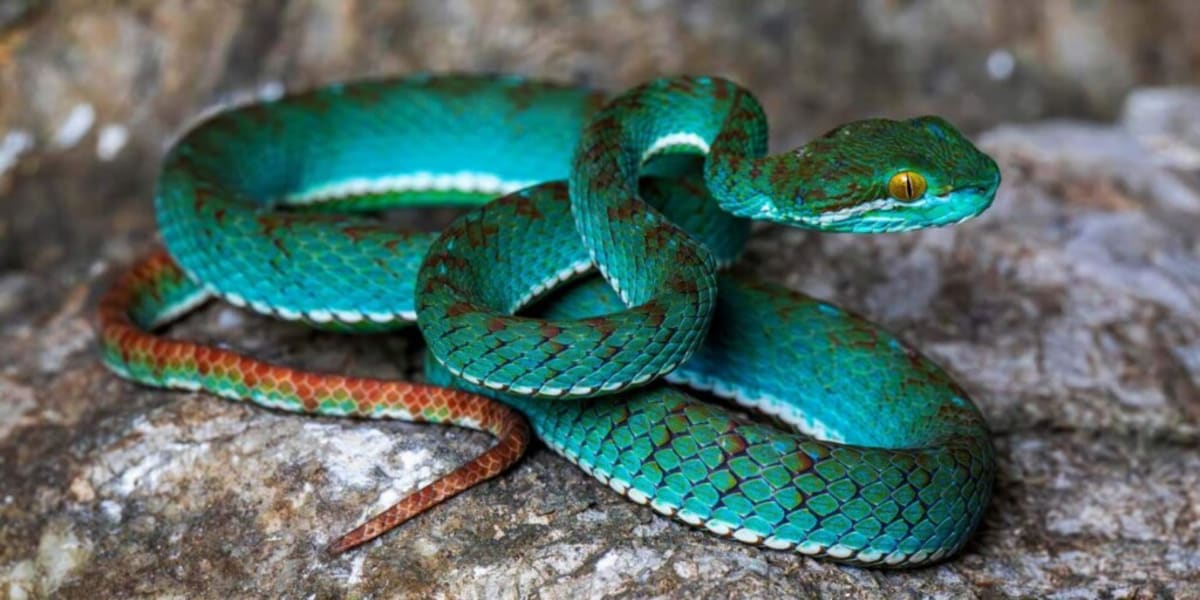
One standout discovery was a new pit viper from the Trimeresurus genus. These highly venomous snakes hunt warm-blooded prey using heat-sensitive pits behind their nostrils, tracking victims through their body heat alone.
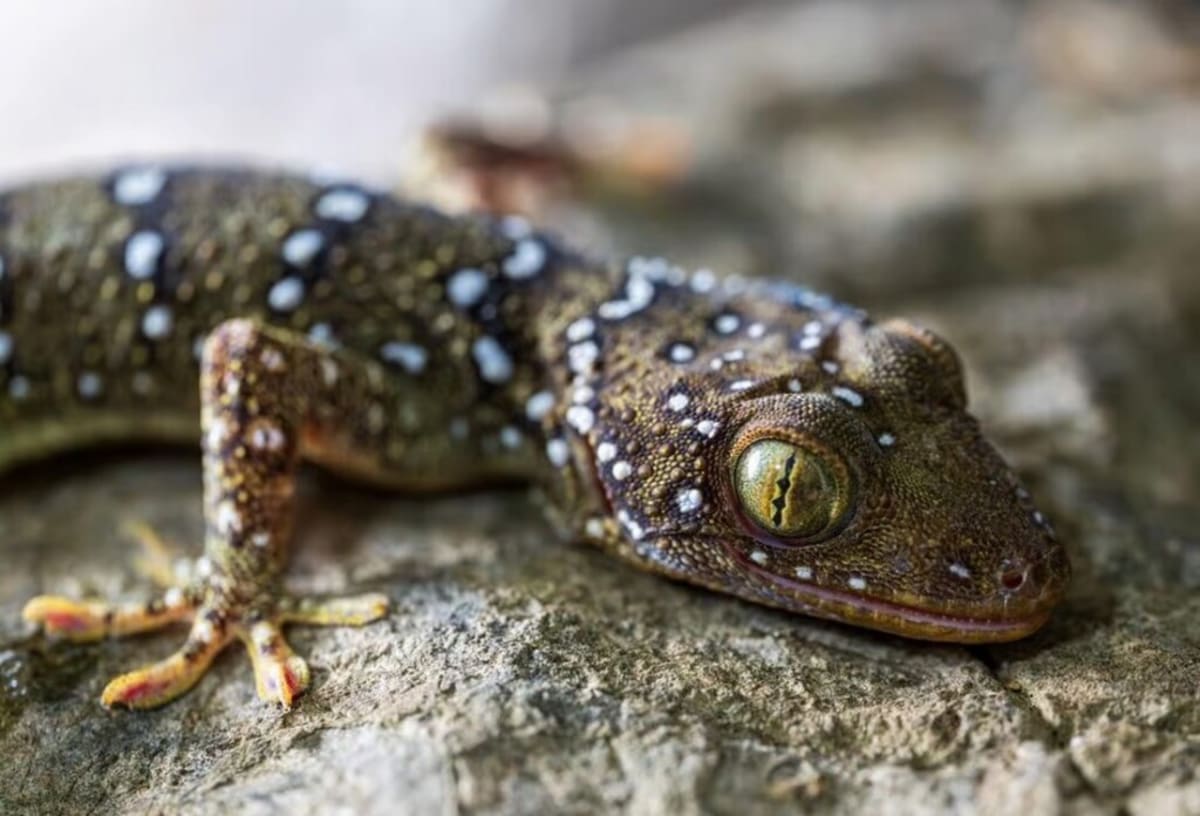
Four populations of a striped gecko were identified as a new species called Cyrtodactylus kampingpoiensis. Because each population lives on a separate karst formation, scientists believe they may actually be four different species on separate evolutionary paths.
Another gecko earned a powerful name: Shiva, after the Hindu goddess of destruction.
The Ripple Effect
The discoveries highlight why protecting these landscapes matters beyond just finding cool new animals. Karst landscapes cover 20 percent of Earth's surface and create unique microclimates where threatened species can survive.
Fauna & Flora International recently released guidelines for sustainable development and management of cave ecosystems in Cambodia. The guidelines combine international best practices with local context, protecting bat colonies, preserving rare species, and ensuring responsible tourism.
"Cambodia's karst areas are a treasure trove of scientific secrets waiting to be uncovered," said Sothearen Thi, Karst Biodiversity Coordinator at Fauna & Flora. "But without sustainable management, we may never find out what these areas truly hold."
The team is working with the Cambodian government and local partners to increase protection of these landscapes, with sustainable management as the top priority.
The discovery proves that our planet still holds countless mysteries, waiting in hidden places for curious scientists willing to crawl through the dark to find them.
More Images

Based on reporting by Good News Network
This story was written by BrightWire based on verified news reports.
Spread the positivity!
Share this good news with someone who needs it
%2Ffile%2Fattachments%2F2998%2F14147038_376896.jpg)