Scientists Find Lost Koala Species in Australian Caves
A donated skull from a Western Australian cave revealed an entirely new koala species that vanished 28,000 years ago. For over a century, museum fossils were mistaken for modern koalas.
Find uplifting stories about heroes, innovations, and solutions
25 results for "caves"

A donated skull from a Western Australian cave revealed an entirely new koala species that vanished 28,000 years ago. For over a century, museum fossils were mistaken for modern koalas.

Scientists discovered that koala fossils in Western Australia aren't just ancient relatives—they're an entirely different species that lived until 28,000 years ago. The extinct koala had mysterious face grooves and a slimmer build than today's cuddly icons.

Scientists discovered that ancient builders mixed cannabis hemp into the plaster of India's Ellora Caves, creating a preservation recipe that kept the UNESCO World Heritage Site pristine for 1,500 years. The finding could revolutionize how we build sustainable, durable structures today.

The world's most famous biblical manuscripts are back on view at Washington DC's Museum of the Bible with a fresh rotation of 2,000-year-old fragments. Discovered in desert caves in 1947, these ancient texts rewrote what scholars knew about the history of the Bible.

Scientists in Cambodia found a translucent microsnail smaller than a pinhead that decorates its shell with soil in star-shaped patterns. The discovery is one of 11 new species found in the country's limestone caves, highlighting hidden biodiversity in Southeast Asia.

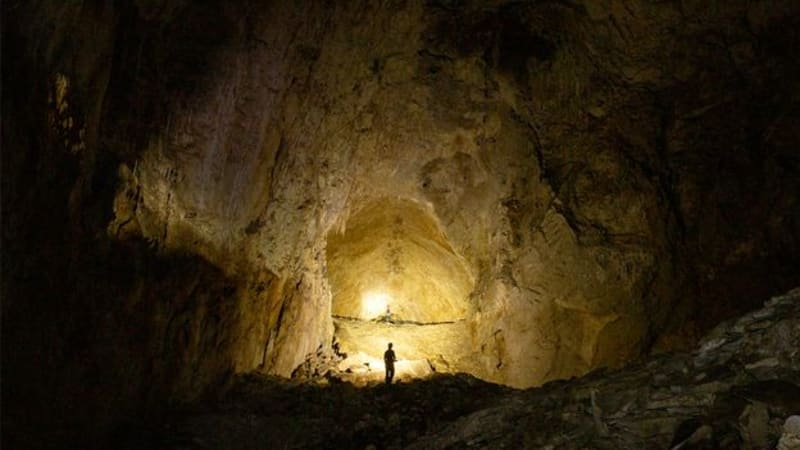
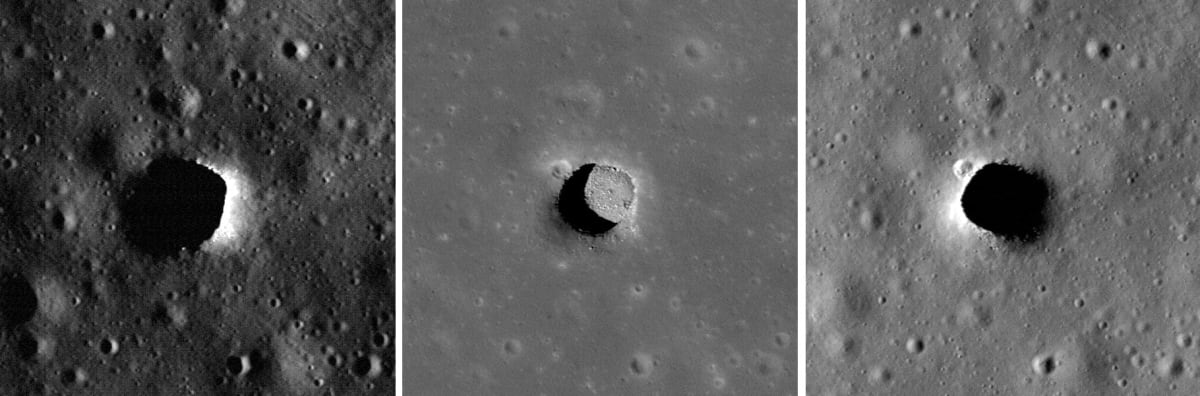
Researchers are exploring extreme cave environments on Earth to help locate life on Mars, icy moons, and beyond. These underground worlds could be the key to discovering we're not alone in the universe.

A small Vietnamese airport is transforming into an international hub by 2050, unlocking one of Southeast Asia's most beautiful hidden regions for travelers worldwide. The upgrade will connect millions to pristine caves, beaches, and UNESCO sites while boosting the local economy.

A robot archaeologist is learning to uncover ancient artifacts in Philippine caves without damaging them. The AI-powered ArchaeoBot combines machine learning with robotic precision to help researchers discover what human eyes might miss.

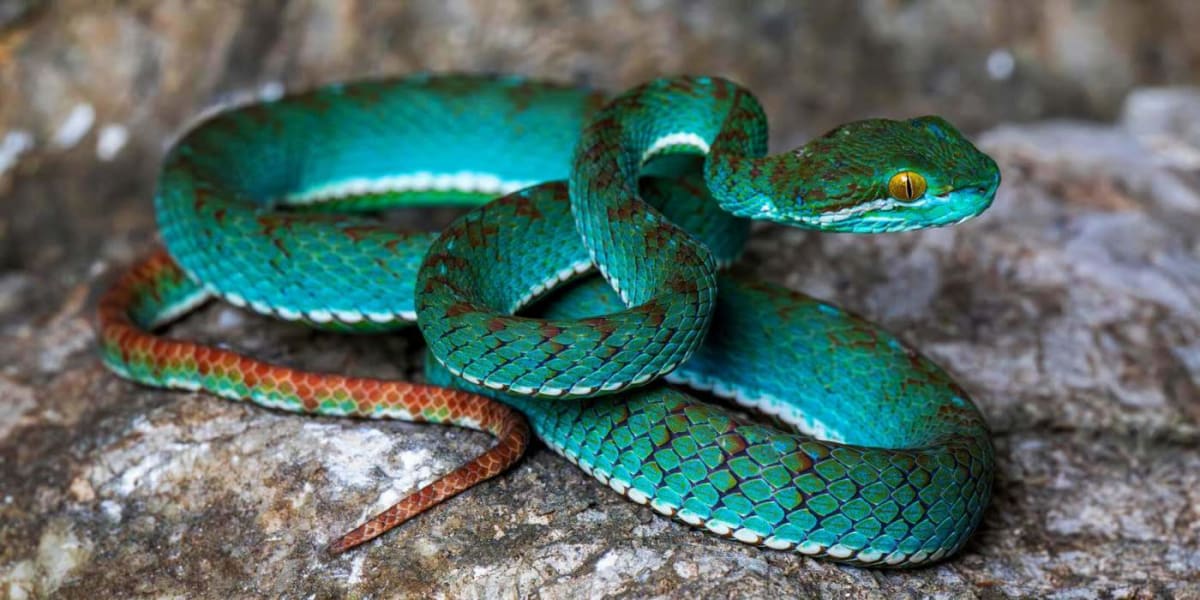
Scientists exploring Cambodia's limestone caves discovered 11 new species, including a spectacular pit viper and geckos found nowhere else on Earth. The expedition reveals how these isolated cave systems act as nature's laboratories, creating unique life forms.
Ancient stalagmites in Morocco and DNA from mummified herders prove the Sahara Desert was once a lush, rainy landscape supporting human life for thousands of years. This discovery rewrites what we know about North African history and shows how dramatically climates can shift.

Researchers exploring Cambodia's limestone caves discovered 11 new species, including a stunning turquoise pit viper that's capturing global attention. The findings prove these unique cave systems still hold countless scientific secrets waiting to be uncovered.

Scientists discovered proof inside Moroccan caves that the Sahara Desert was once a lush, green landscape fed by thousands of years of steady rainfall. Tiny rock samples reveal how ancient rainfall patterns transformed a barren wasteland into thriving grasslands that supported entire civilizations.

In Kenya's coastal caves, scientist David Wechuli and local communities are working together to protect thousands of bats while discovering how these misunderstood creatures help forests thrive. Their research is turning cave systems into thriving conservation hubs that benefit wildlife and people alike.

Ancient ivory sculptures discovered in German caves reveal that our Paleolithic ancestors were encoding complex information in carved symbols tens of thousands of years before we thought writing existed. The statistical fingerprint of these mysterious marks tells a story of human ingenuity stretching back 40 millennia.

Japan just unveiled its first two-story 3D-printed house designed to withstand earthquakes using geometry inspired by natural caves. The innovative home combines robotic construction with earthquake-resistant engineering to meet the country's strict seismic safety standards.
Scientists drilled 3 kilometers into outback Queensland to test salt caves that could power 20 million homes daily. The underground hydrogen storage system could solve Australia's renewable energy challenge without building massive surface batteries. #

Scientists discovered seven naturally mummified cheetahs in Saudi Arabian caves, revealing that two subspecies once thrived there. The DNA breakthrough is now helping experts plan the return of cheetahs to the Arabian wilderness after 50 years.
A Mexican court ordered construction to stop on a controversial railway section until environmental protections are verified, marking a major win for activists who've fought for years to protect underground caves and aquifers. The ruling follows evidence of corroded steel and concrete leaking into critical water systems.

Deep in China's Shanxi Province mountains, the Ningwu ice caves have stayed frozen solid for over three million years, defying logic and seasons. This natural wonder stretches hundreds of feet underground with walls of ice that never see summer.

Researchers created the first 3D maps of hidden caves that supply water to millions of Grand Canyon visitors each year. The breakthrough helps protect this critical water source as climate change threatens its future.
Showing 20 of 25