Cambodia Hits 63% Renewable Energy, Cuts Import Reliance
Cambodia now generates more than 63% of its electricity from renewable sources, slashing its vulnerability to global oil price shocks while saving money for businesses and families. The Southeast Asian nation's energy transformation offers a blueprint for small countries seeking independence from volatile fossil fuel markets.
Cambodia just proved that small countries can make giant leaps toward energy independence without breaking the bank.
The nation now generates over 63% of its electricity from renewable sources like solar and hydropower, up dramatically from just a decade ago when it imported 64% of its energy. Today, that import dependence has plummeted to around 10%.
The shift means Cambodian families and businesses dodge the worst impacts when global oil prices spike due to Middle East tensions or supply chain disruptions. While other countries face crushing energy costs during crises, Cambodia keeps the lights on with homegrown power.
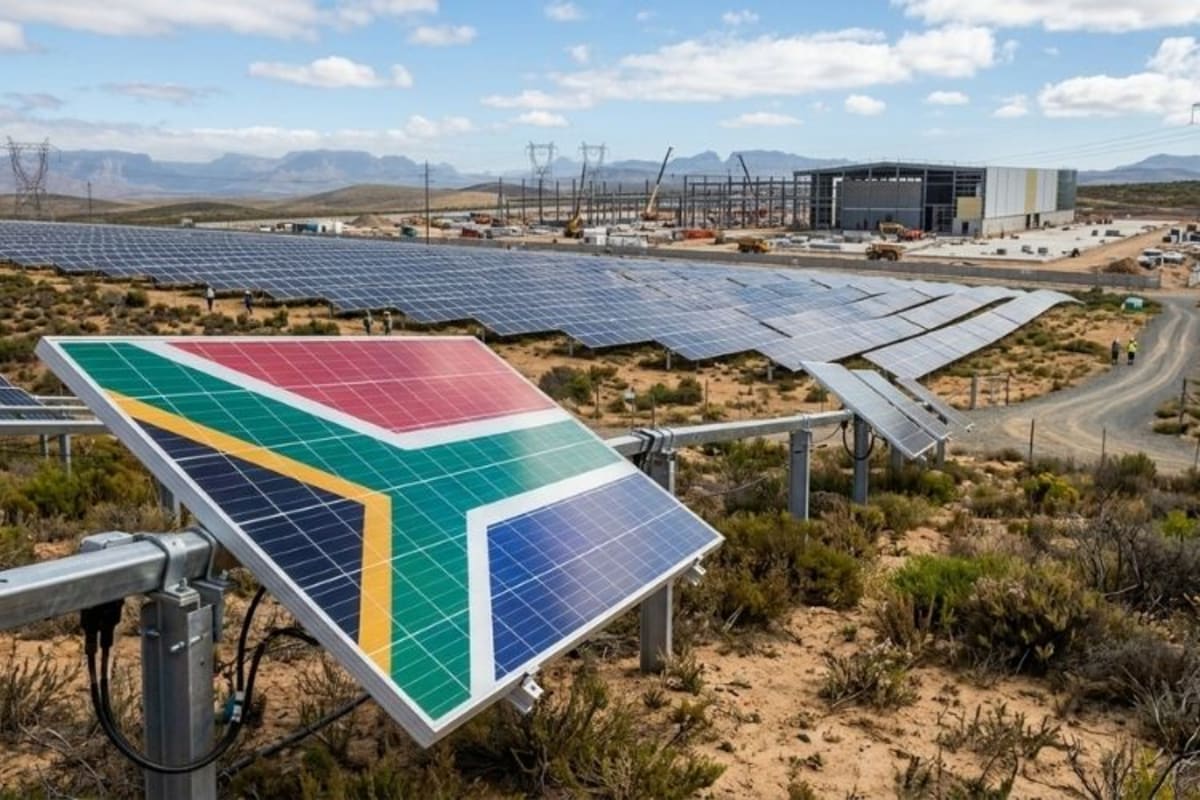
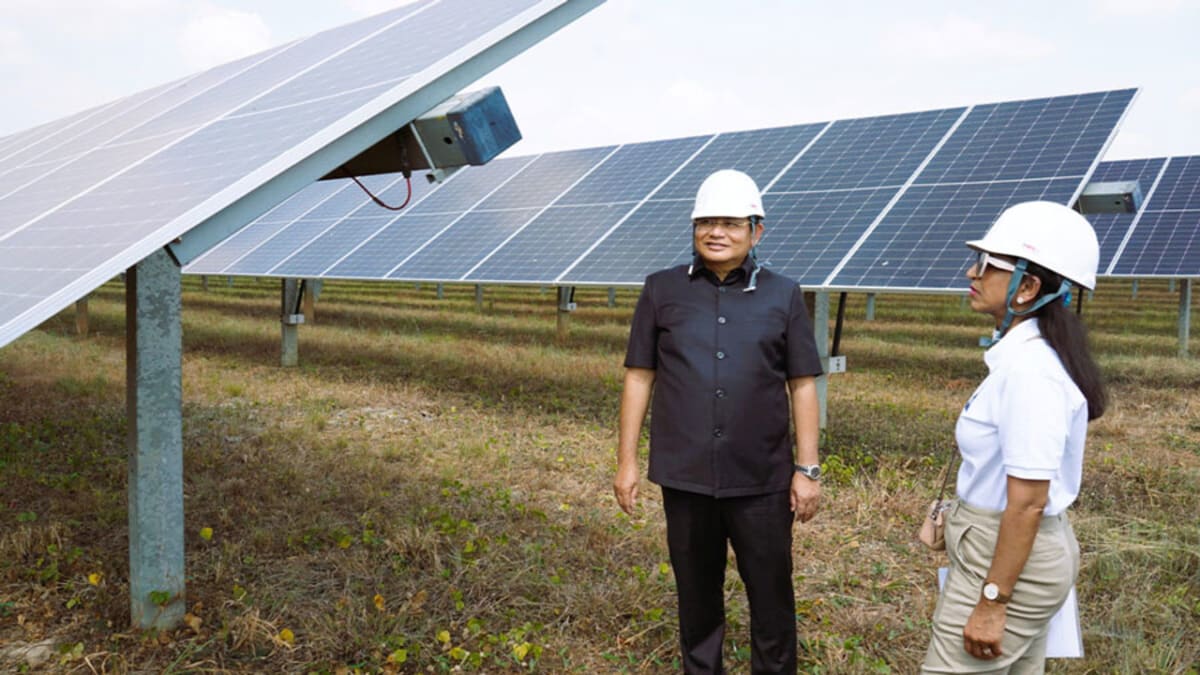
The crown jewel of this transformation is the National Solar Park in Kampong Chhnang, a 100-megawatt facility that began full operations in late 2024. The solar park now supplies about one-quarter of Phnom Penh's electricity at record-low rates for the region.
"Cambodia is already ahead of the curve," said Yasmin Siddiqi, Asian Development Bank country director for Cambodia, at the launch of the bank's latest economic outlook report on April 10. The renewable energy mix acts as "a safeguard measure" during global crises.
The solar park alone will cut nearly 150,000 tonnes of carbon emissions annually. That's the equivalent of taking tens of thousands of cars off the road while simultaneously lowering electricity bills.
Cambodia isn't stopping there. The government aims to push renewable energy to 70% by 2030 and just scrapped import duties on electric vehicles, dropping tariffs from 35% to zero starting April 1.
"Electric vehicles offer a cost-saving alternative while allowing Cambodia to tap into its growing clean energy supply," said Mines and Energy Minister Keo Rottanak. The country registered more than 9,000 EVs by 2025, with brands like BYD and Tesla leading adoption.
The government's ambitious goal targets 40% of cars and 70% of motorcycles running electric by 2050. National electrification has already reached nearly 96% of the population.
The Ripple Effect
Cambodia's energy revolution extends beyond its borders. As the country builds out renewable capacity, it's positioning itself as a connector in the ASEAN power grid, where countries trade electricity across borders.
This role could transform Cambodia from energy importer to regional energy partner, opening new economic opportunities through cross-border cooperation. Other Southeast Asian nations watching fuel prices swing wildly are taking notes.
The country's geographic blessing of multiple borders with Vietnam, Thailand, and Laos provides backup trade routes when disruptions strike. "If one corridor faces disruption, there are opportunities to redirect flows through others," Siddiqi explained.
A new solar generation and energy storage project launching later this year will strengthen the grid even further. The public-private partnership model behind the National Solar Park is already being studied as a template for other developing nations.
From vulnerable to resilient, Cambodia just showed the world that the clean energy transition isn't just good for the planet—it's smart economics that protects people when global storms hit.
Based on reporting by Google News - Clean Energy
This story was written by BrightWire based on verified news reports.
Spread the positivity!
Share this good news with someone who needs it