Cameroon Registers 17,000 Kids Through 'My Name' Campaign
Thousands of children in Cameroon are finally getting birth certificates through a nationwide campaign bringing registration services directly to remote communities. The shift means kids can now attend school, take exams, and access basic services they were previously denied.
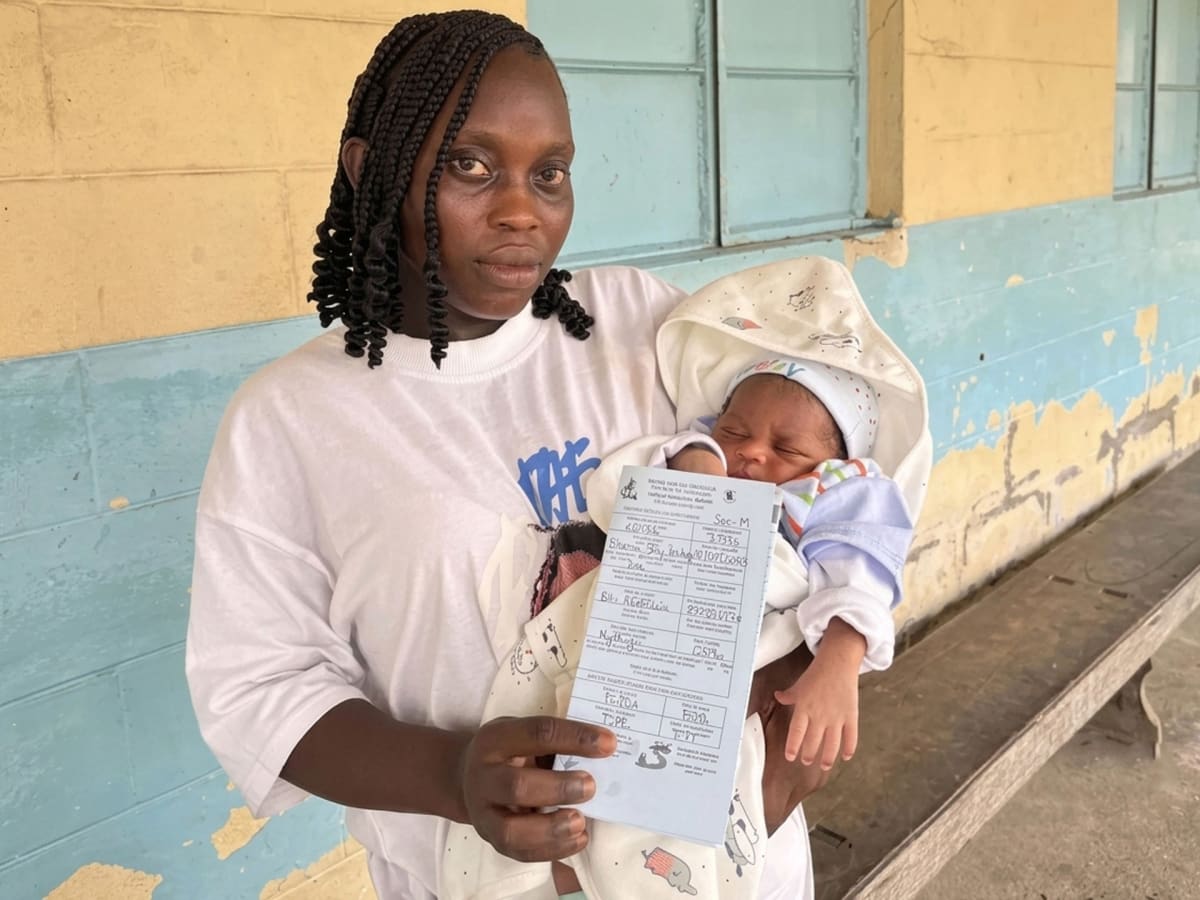
Aissatou Bouba's eldest child was sent home from school years ago for one simple reason: he didn't have a birth certificate. Now, her youngest son received his official papers minutes after birth at a local health facility in northern Cameroon.
Her story reflects a massive change sweeping across the country. More than 17,000 children have gained legal identity through the "My Name" campaign launched in 2024, a partnership between UNICEF and Cameroon's government.
The problem was enormous. About 1.5 million children, roughly 30 percent of primary school students, attend classes without birth certificates. Of the 560,000 births recorded in health facilities in 2023, only 44 percent were officially registered.
The consequences run deep. Kids without documentation can't take public exams or enter secondary school. They can't get national identity cards needed for basic services. In conflict zones, they're more vulnerable to exploitation and recruitment by armed groups.
Local officials decided to bring registration services directly to families. In Tiko, a town in southwest Cameroon, traditional chiefs now help document births in remote areas before sending records to council offices. Thousands of children have received certificates as a result.
Garoua 2 in northern Cameroon took a different approach. The municipality switched from handwritten registers to digital systems, cutting processing time from days to minutes. Mayor Oumarou Sanda won recognition as Cameroon's Citizenship Champion for these efforts.
"People are coming every day to register their children and obtain birth certificates," says Anna Enanga, head of the civil status bureau in Tiko. The shift happened after 360 councils across the country signed a charter in April 2024 committing to strengthen registration systems.
Health facilities now issue the documents needed to establish legal identity right after delivery. Under Cameroon's law, parents can register births free within 90 days. After that, the process becomes complex and costly, requiring court procedures many families can't navigate.
The Ripple Effect
When children gain legal identity, doors open across their entire lives. They can stay in school past primary level. They can sit for the exams that determine their futures. They can travel, work, and access healthcare without barriers.
The campaign also strengthened protection for vulnerable children. Officials can now better trace and monitor kids, making it harder to move them across borders without proper checks. In areas affected by conflict, documentation provides a shield against exploitation.
Local leaders played a crucial role by working with communities to explain why registration matters. Some parents only engaged with the system when children were denied schooling, but awareness is growing about the lifelong importance of that first official document.
Cameroon is proving that closing gaps in civil registration doesn't require massive infrastructure. Sometimes it just takes bringing services to where families already are and making the process simple enough that every child can claim their legal right to exist on paper.
Based on reporting by Al Jazeera English
This story was written by BrightWire based on verified news reports.
Spread the positivity!
Share this good news with someone who needs it