Nigeria's North-West Governors Commit to Poverty Action Plan
Seven governors from Nigeria's poorest region just pledged concrete, time-bound action to lift millions out of poverty. The plan puts children and women first, with real funding and accountability measures to track progress.
Governors from Nigeria's North-West region have committed to specific, measurable steps to reduce poverty for 60 million people, with special focus on the region's most vulnerable children and women.
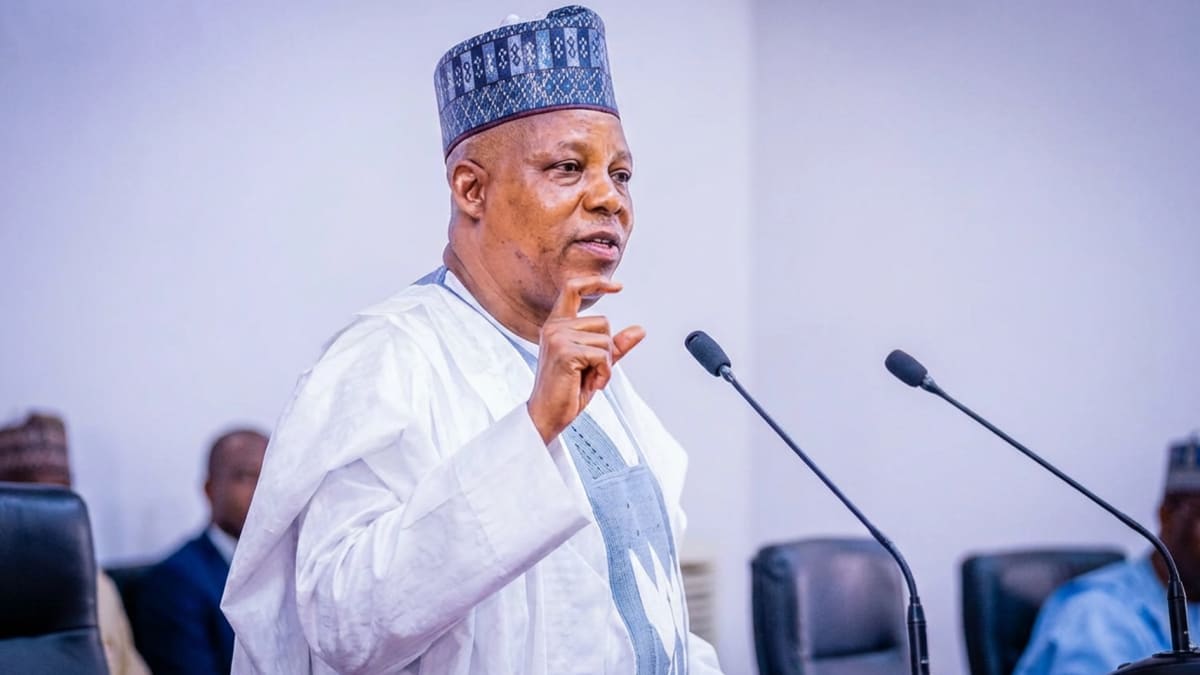
The pledge came after a two-day policy meeting in Kano this June, bringing together Vice President Kashim Shettima, seven state governors, federal ministers, and development partners including UNICEF and the European Union. Rather than another talking session, leaders signed a formal action plan with monitoring systems to ensure promises become reality.
The North-West faces stark challenges. More than half of school-age children aren't attending classes. Families struggle to access healthcare, clean water, and stable income. Women and children bear the heaviest burden in one of Nigeria's poorest regions.
The new roadmap targets these gaps directly. Governors agreed to expand social protection programs that put money in families' hands, improve delivery of essential services like healthcare and education, and increase domestic funding for poverty reduction. Each commitment includes timelines and tracking mechanisms.
Vice President Shettima emphasized that success will be measured by real impact on families, not paperwork. Governor Dikko Radda of Katsina State called it a shift from endless policy discussions to actual implementation.
The Ripple Effect
When 60 million people gain better access to education, healthcare, and economic opportunity, the benefits spread far beyond one region. Children who stay in school today become the teachers, doctors, and entrepreneurs of tomorrow. Families with stable income invest in their communities. Women with access to healthcare can work and care for their children more effectively.
European Union Ambassador Gautier Mignot stressed that adequate financing and accountability will determine whether these promises translate into progress. UNICEF Representative Wafaa Saeed pointed to the urgency: whether millions of children survive, learn, and thrive depends on delivering these results now.
The governors backed their words with structure, adopting both a detailed roadmap and a monitoring framework. Traditional and religious leaders, youth groups, and private sector representatives also joined the commitment, creating broad support across society.
This comprehensive approach tackles poverty from multiple angles rather than relying on single solutions, giving the initiative a realistic shot at creating lasting change for Nigeria's most vulnerable families.
More Images


Based on reporting by Google News - Poverty Reduction
This story was written by BrightWire based on verified news reports.
Spread the positivity!
Share this good news with someone who needs it