Iowa Invests Foster Kids' Survivor Benefits for Their Future
Iowa foster children will now keep their Social Security survivor benefits in investment accounts instead of losing them to state expenses. When they turn 18, they'll have funds for college, a home, or starting their careers.
Thousands of Iowa foster kids just got a financial lifeline that will change what's possible when they age out of the system.
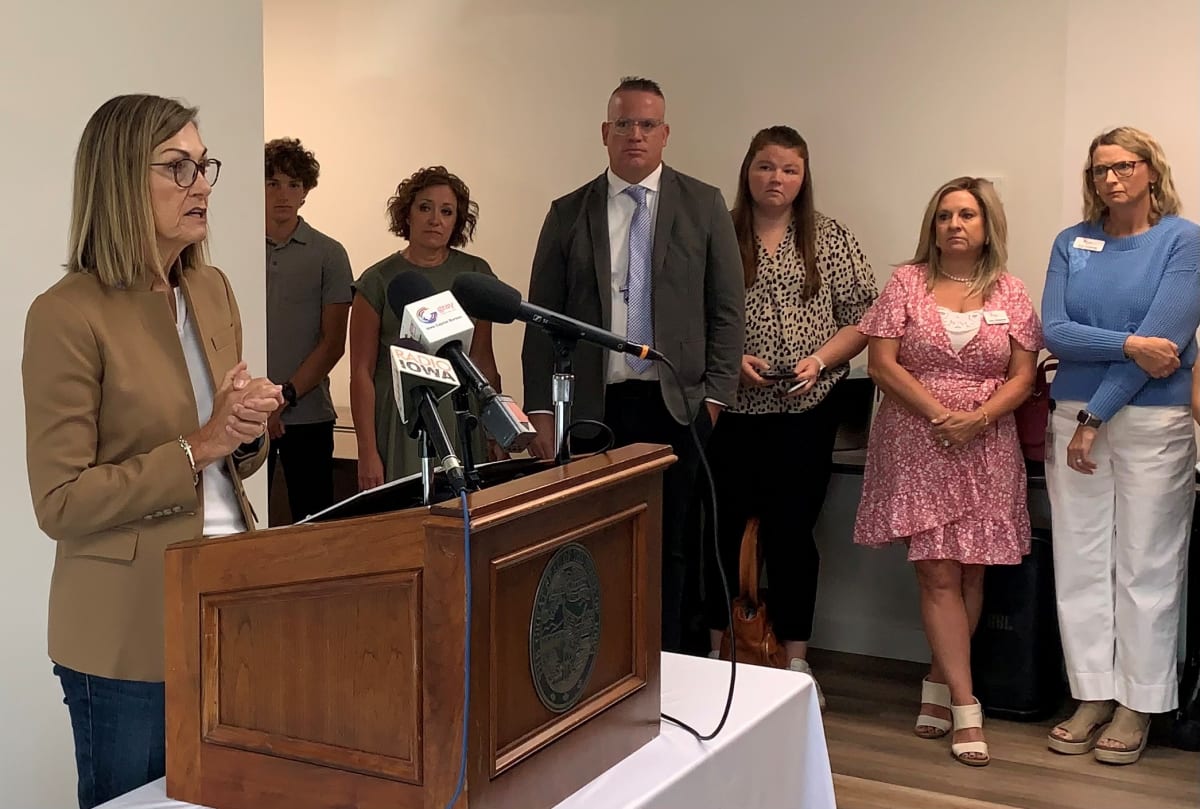
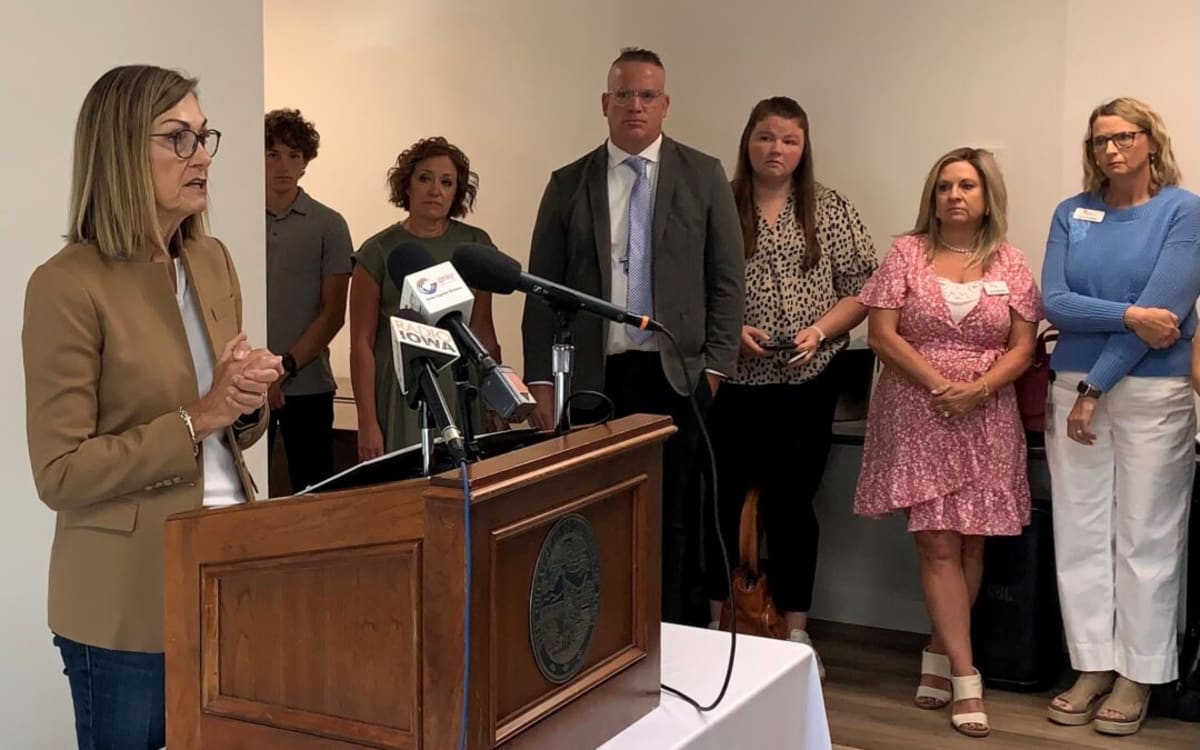
Governor Kim Reynolds announced that Iowa has become the 31st state to invest Social Security survivor benefits on behalf of foster children, rather than using those funds to cover foster care costs. Starting now, money meant for kids who lost a parent will actually reach those kids.
The change means foster children in Iowa can build real wealth before they turn 18. Their survivor benefits will grow in college savings plans, disability accounts, or special "First Home" accounts designed to help them buy their first house.
"Melania really challenged states to think about setting these children up so they could be successful in the future," Reynolds said during the announcement at Foster Squad, an organization supporting foster families. The policy was championed by First Lady Melania Trump as part of her initiative to support vulnerable children.
Previously, Iowa followed the same practice as most states. When a foster child qualified for Social Security survivor benefits because a parent died, those monthly payments went straight to covering the state's foster care expenses. The children never saw a penny.
Now those same dollars will compound over years in investment accounts. A teenager who spent a decade in foster care could leave the system with tens of thousands of dollars for education or housing.
Foster parents won't lose support under the new system. The state confirmed that stipends paid to foster families remain unchanged, meaning the investment accounts won't come at anyone else's expense.
State officials don't yet know exactly how many of Iowa's 3,700 foster children qualify for survivor benefits, but they acknowledge it's a small percentage. Still, for every child who does qualify, the impact could be enormous.
The Ripple Effect
The policy shift addresses one of the cruelest catch-22s in foster care. Young adults aging out of the system face some of the highest rates of homelessness and unemployment in the country. Many have no family safety net and no savings to fall back on.
Now Iowa's foster youth will have options their predecessors never had. They can choose accounts tailored to their dreams, whether that's a 529 college plan, a Roth IRA for retirement, or a down payment fund for their first home.
The change also sends a message about whose money this really is. These benefits exist because a child lost a parent. That trauma comes with a survivor benefit meant to ease their path forward, not to balance state budgets.
With 31 states now protecting these funds, the movement is gaining momentum. Every state that makes the switch puts more foster children on track to break cycles of poverty and instability.
Iowa's foster kids now have something many thought impossible: a financial foundation to build their futures on.
More Images
Based on reporting by Google: survivor story
This story was written by BrightWire based on verified news reports.
Spread the positivity!
Share this good news with someone who needs it