Camp Cranium Helps 475,000 Kids With Brain Injuries Thrive
At Camp Cranium in Pennsylvania, kids who survived severe brain injuries are climbing rock walls, hitting archery targets, and proving what's possible when young survivors get the right support. For 17 years, this camp has celebrated the resilience of children rebuilding their lives after traumatic brain injuries.
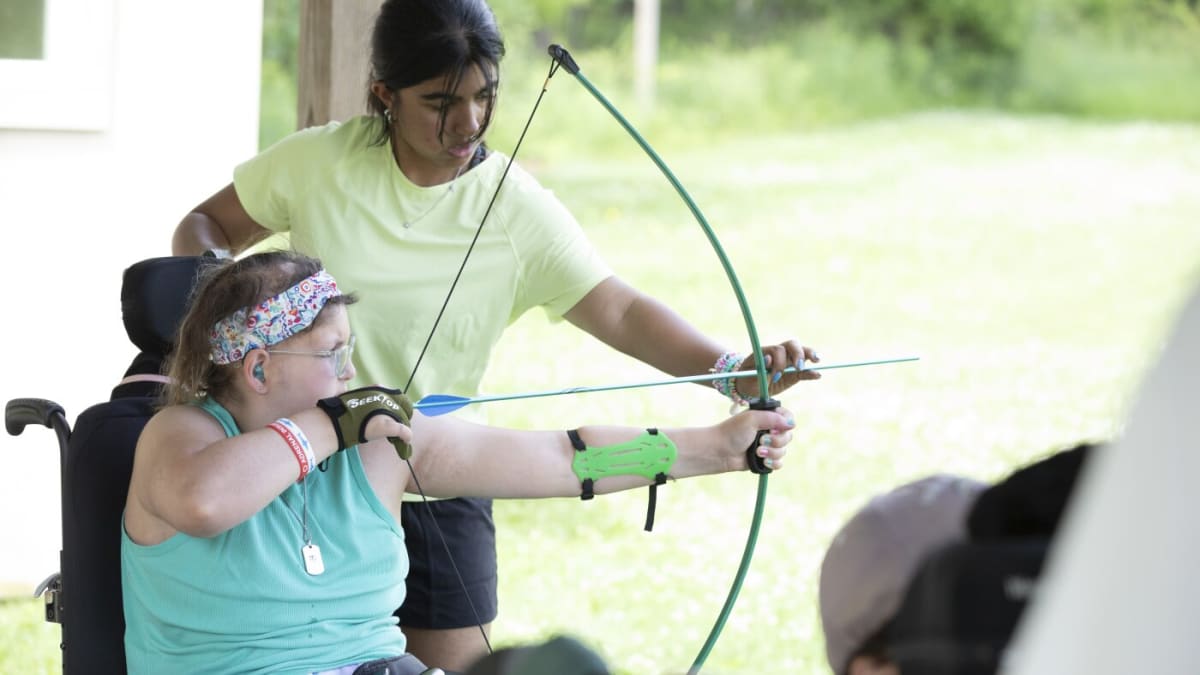
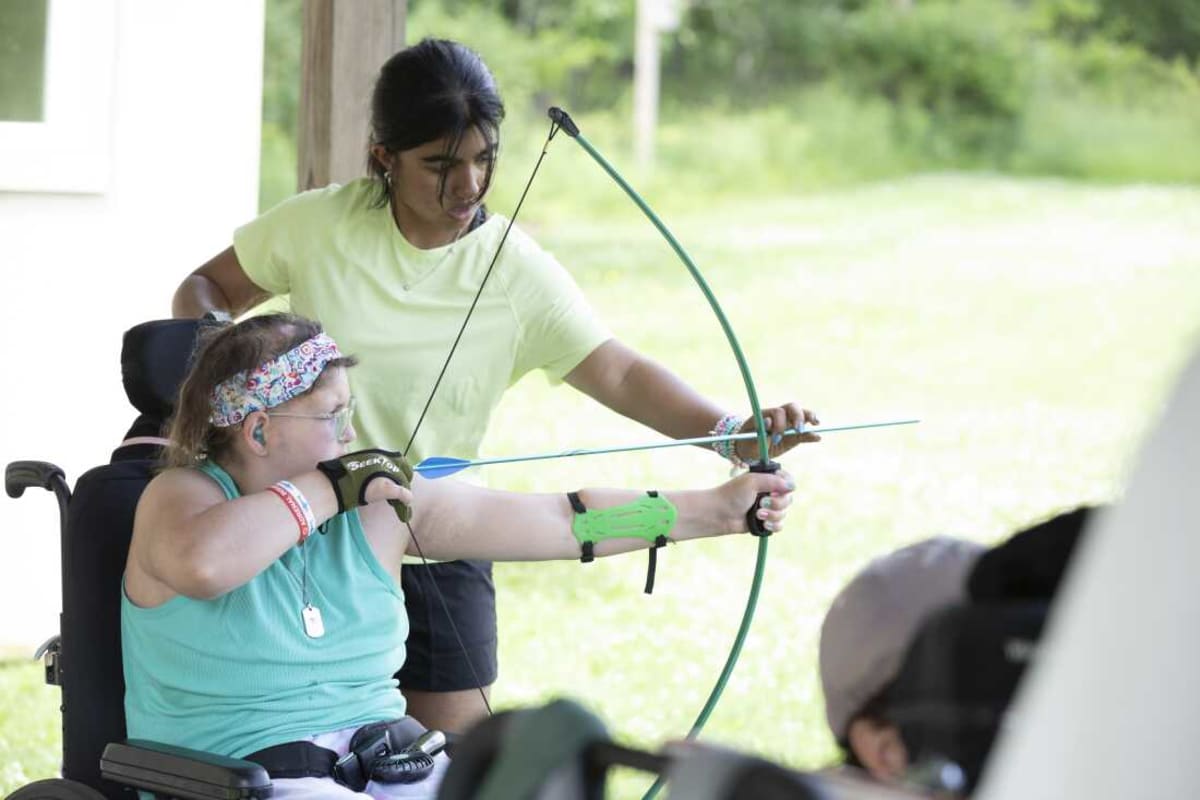
Operations director Drew Meyer wiped away tears as he watched campers strike bullseyes at archery hour. These kids, who once had to relearn how to talk and tie their shoes, were now nailing targets after three hours of practice.
Camp Cranium in Millville, Pennsylvania has welcomed young brain injury survivors since 2008. Campers aged 10 to 21 spend a week swimming, rock climbing, and zipping through the forest, many using wheelchairs or crutches to get around.
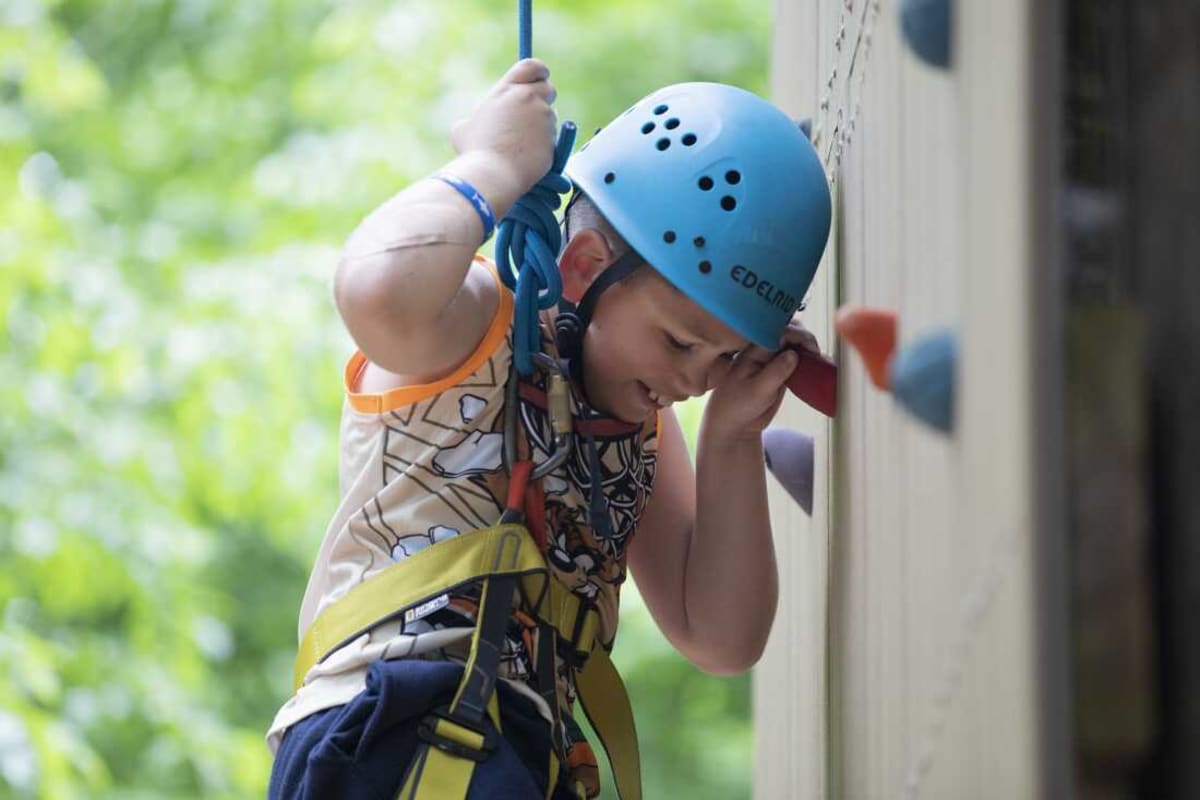
Lucas Hardy beamed as the crowd cheered him on. At 14, he scaled a 30-foot rock wall with the help of a hoist that lifted him from his wheelchair, seven years after a falling tree branch caused his traumatic brain injury at a birthday party.
The camp exists because of remarkable progress over the past 40 years. More children survive brain injuries today than in the 1980s, thanks to seat belt laws and better trauma care funded by federal research investments.
About 475,000 American children experience traumatic brain injuries each year, joining 2.8 million total cases nationwide. Recent research suggests even these numbers undercount the true impact, since brain damage often remains invisible to the naked eye.
Fourteen-year-old Brianna Engleman collected song requests for that evening's dance. A camper since 2018, she now plans to return as a counselor to support other survivors navigating their recovery journeys.
The Ripple Effect
Camp Cranium represents something bigger than a week of outdoor fun. It shows what becomes possible when decades of research investment pay off in survival rates, and when communities rally around survivors with programs that celebrate their capabilities rather than limitations.
Tony Sadowski founded the camp after his son Bryan survived a brain bleed and hemorrhagic stroke at age 6. His family's experience sparked a vision: create a place where kids who've faced the unimaginable can simply be kids again, surrounded by others who understand their challenges.
The improvements in survival rates stem from coordinated efforts across medicine, policy, and public health. Better trauma centers respond faster to injuries, while research has helped doctors understand how to treat brain damage more effectively.
Executive director Rebeccah Wolfkiel of the National Association of State Head Injury Administrators put it simply: "Brain injury can happen to anybody. This community deserves more."
Every arrow that hits its target and every foot that gains purchase on the climbing wall proves what these kids already know: surviving is just the beginning.
More Images

Based on reporting by Google News - Health
This story was written by BrightWire based on verified news reports.
Spread the positivity!
Share this good news with someone who needs it