Scientist Maps Children's Cells to Save Young Lives
Children's bodies respond differently to medicine than adults, sometimes fatally. Now, thanks to one researcher's determination, the world's first comprehensive map of healthy pediatric cells is changing that.
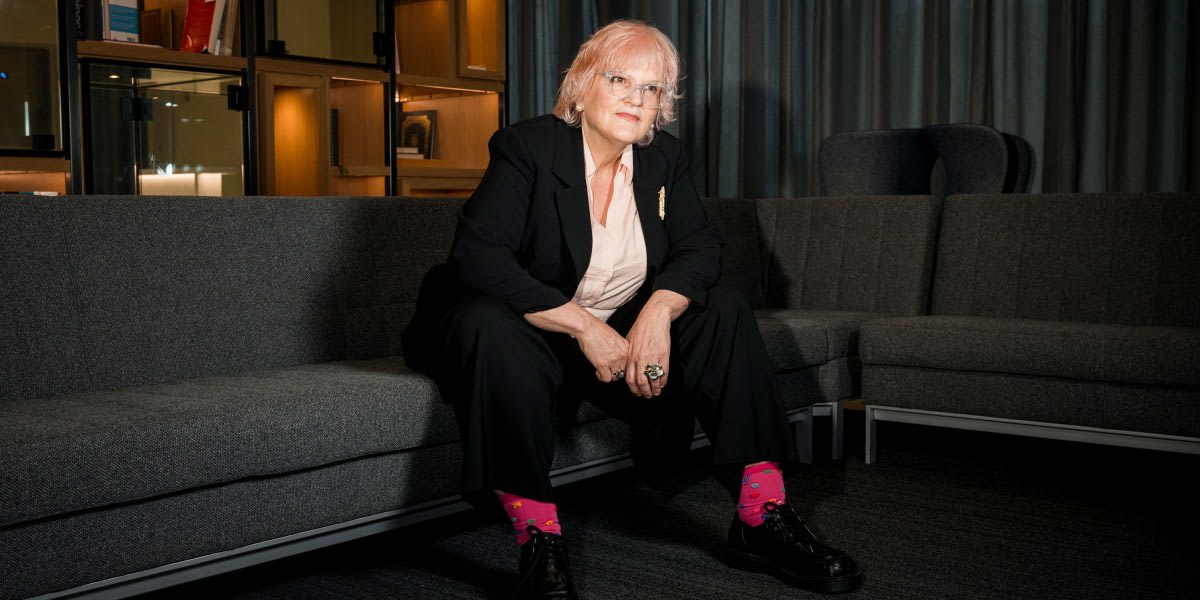
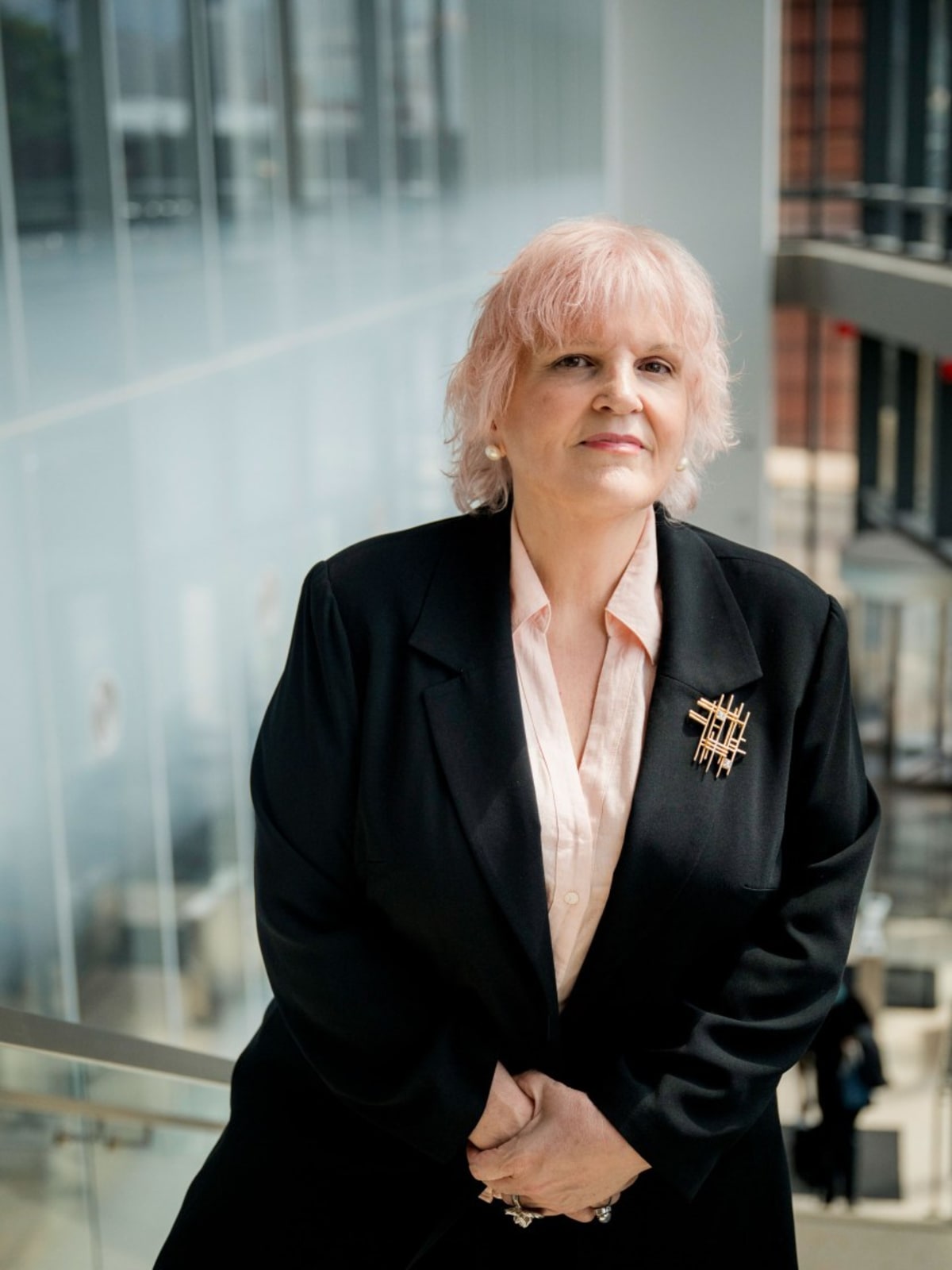
When Deanne Taylor walked into a 2017 presentation about mapping every cell in the human body, she felt excited until she heard one critical detail: the researchers planned to study only adults.
Taylor, director of bioinformatics at Children's Hospital of Philadelphia, immediately saw the problem. For years, she'd watched medical research treat children like miniature adults. They're not.
Children's cells work differently than adult cells, switching genes on and off in unique ways. Those differences can make drugs that help adults severely harm or even kill children. Chemotherapy that fights tumors in kids can also attack their developing hearts, causing lifelong damage.
Taylor refused to let children be left behind again. She joined the Human Cell Atlas project as a volunteer and rallied pediatric researchers from multiple hospitals to contribute. In 2019, she published a paper making the case for studying children's development, putting pressure on funders to pay attention.
It worked. In 2021, the National Institutes of Health awarded $38.5 million to the Developmental Genotype-Tissue Expression Project, or dGTEx. Taylor leads the groundbreaking initiative to create the first complete database of healthy pediatric tissue.
The project collects samples from otherwise healthy children who died, with their parents' consent to donate their bodies to science. Taylor's team maps how genes across all major organ systems express themselves in children, creating a baseline of normal childhood development.
This database will help researchers understand diseases, predict drug effectiveness, and identify the best moments to intervene in childhood illnesses. The information feeds into the Human Cell Atlas, which now includes a pediatric section thanks to Taylor's advocacy.
Why This Inspires
Taylor describes her career path as random, driven by an intensity she now attributes to undiagnosed autism and ADHD. At five years old, she was reading her mom's medical textbooks. By twelve, she'd moved on to physics books from the library.
Her colleagues say she's become the glue holding diverse research projects together. Sarah Teichmann, who cofounded the Human Cell Atlas, praises Taylor's big-picture thinking: understanding that researchers need to see the whole child, not just isolated organs or systems.
Taylor has always been fascinated by why the same illness affects people differently. Two people can carry identical disease genes, but only one gets sick. The answers might lie in how our genes express themselves as we grow.
By ignoring children in medical research, Taylor believes scientists have missed crucial windows to intervene in human disease. After all, every adult started as a child. Understanding how our cells work throughout development could unlock treatments that help people across their entire lifespan.
The database is already changing how researchers approach pediatric medicine, giving them tools to predict which treatments will help young patients and which might cause unexpected harm.
Thanks to one scientist who refused to stay quiet, children finally have a place on the medical research map.
More Images
Based on reporting by MIT Technology Review
This story was written by BrightWire based on verified news reports.
Spread the positivity!
Share this good news with someone who needs it