Campfires May Have Sparked Human Storytelling, Study Finds
New research suggests flickering firelight didn't just warm our ancestors—it may have shaped how humans developed spoken language and our unique love of storytelling. The gentle glow and rhythm of flames created the perfect conditions for tales around the fire.
Scientists have a beautiful new theory about why humans became storytellers, and it all comes down to firelight.
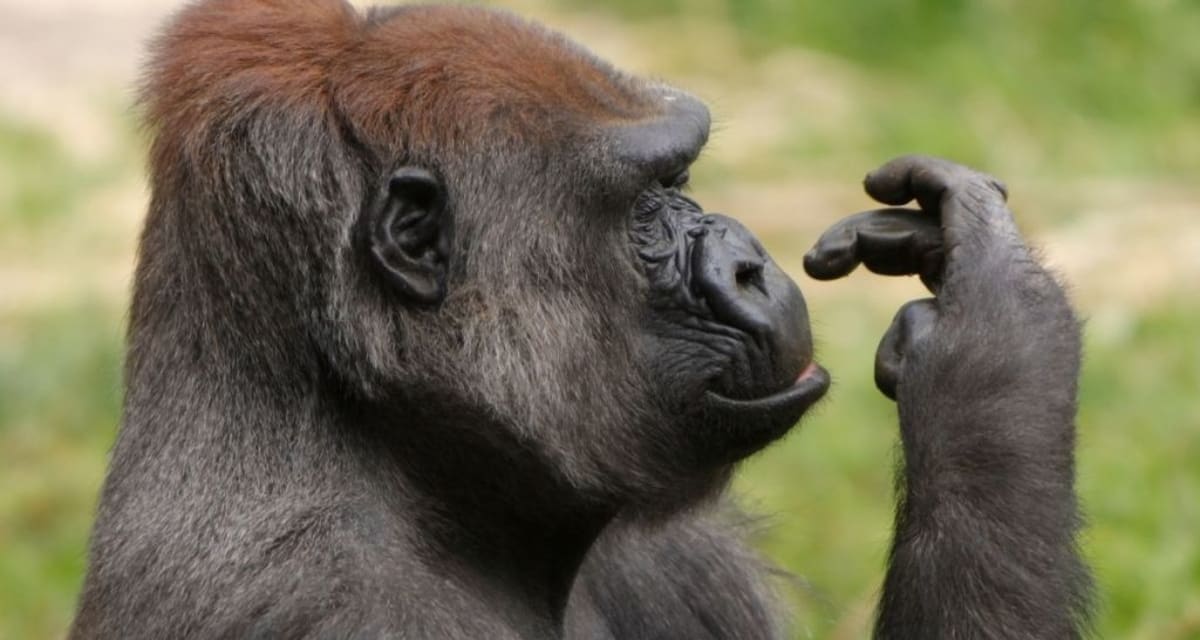
Researchers Catherine Hobaiter and Nathaniel Dominy wondered why humans developed sophisticated spoken language while our closest relatives, chimpanzees and gorillas, rely mostly on gestures. These apes have impressive communication systems with over 140 documented gestures, yet they don't tell stories.
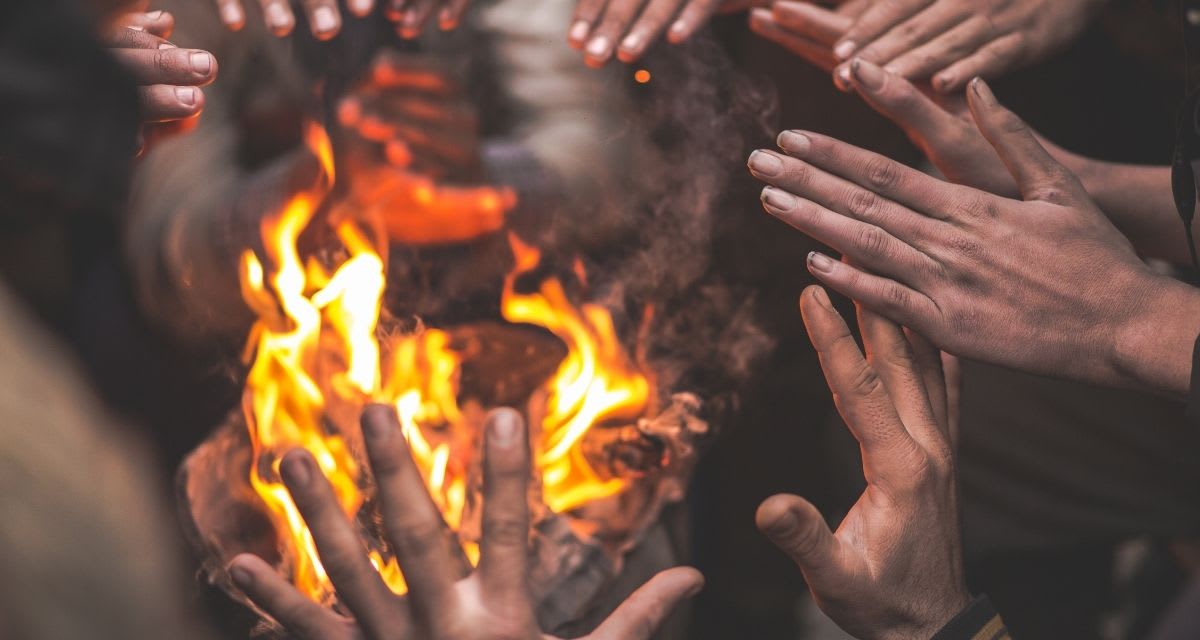
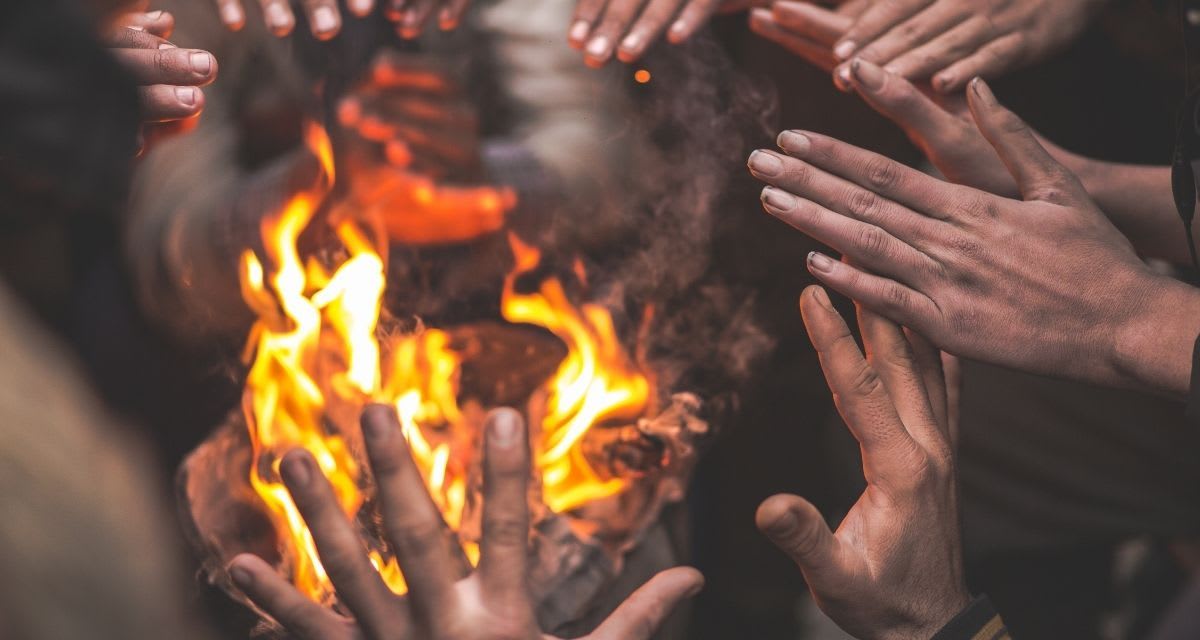
The answer might lie in something as simple as sitting around a campfire. In their study published in the Proceedings of the Royal Society B, the researchers measured how campfires produce light and discovered something fascinating.
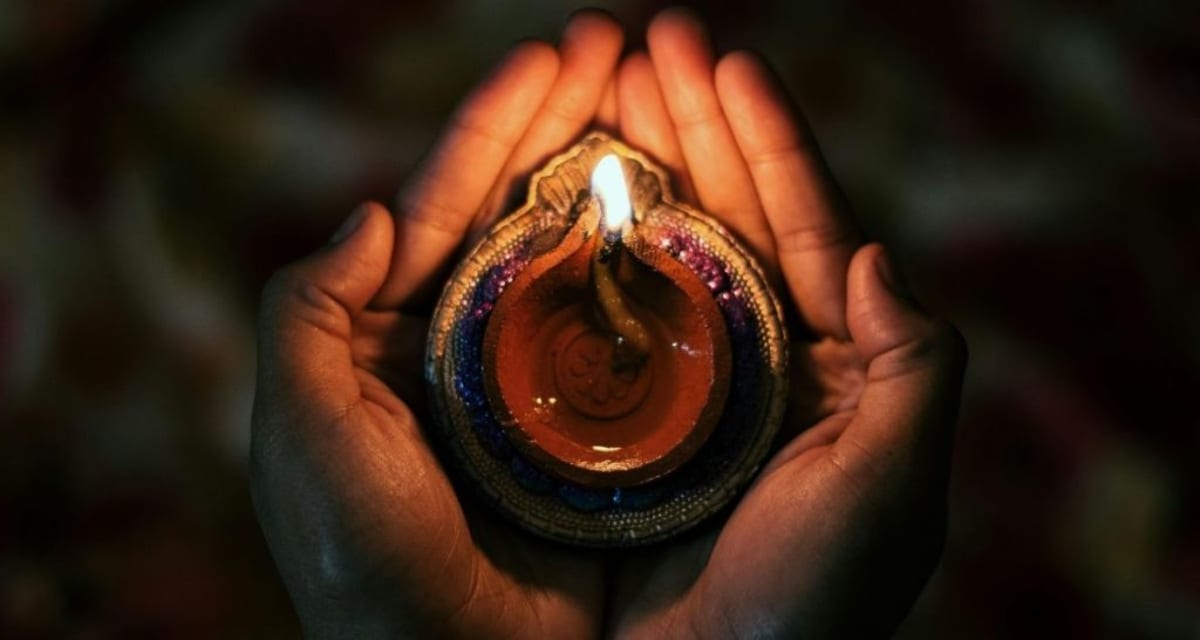
Firelight creates just enough brightness to see hand gestures, but the constantly shifting flames make those gestures hard to follow. Spoken words, however, come through crystal clear.
The benefits go deeper than visibility. Fire gives off blue light that gently lowers melatonin levels, keeping people alert without ruining their sleep later.
This gave our ancestors up to four extra hours for social connection each evening. No survival tasks, no immediate dangers—just time to share stories and connect.
The flickering itself might be significant too. Campfire flames flicker at 1.4 to 2.7 times per second, a rhythm that overlaps with brain patterns linked to attention and memory.
The researchers think watching those same dancing flames together might have synchronized the attention of storytellers and their audiences, making the tales more memorable for everyone gathered around.
Why This Inspires
This research reframes something humans have done for thousands of years as deeply meaningful. We didn't just develop language for practical survival needs like coordinating hunts or warning about danger.
We developed it to share stories, to transport each other to different times and places, to connect in the darkness. That impulse to gather and share narratives remains a defining human characteristic today.
The team proposes future experiments to test whether storytelling has a distinct rhythm matching firelight's flicker and whether people's brains synchronize more strongly around flickering flames. As Hobaiter said, the research explores whether we truly are "the storytelling ape."
In an age where efficiency often trumps connection, this theory offers a gentle reminder of what makes us human—our need to gather, share, and imagine together in the glow of firelight.
More Images

Based on reporting by Upworthy
This story was written by BrightWire based on verified news reports.
Spread the positivity!
Share this good news with someone who needs it