Canada-Brazil $2M Deal Advances Dental Health Research
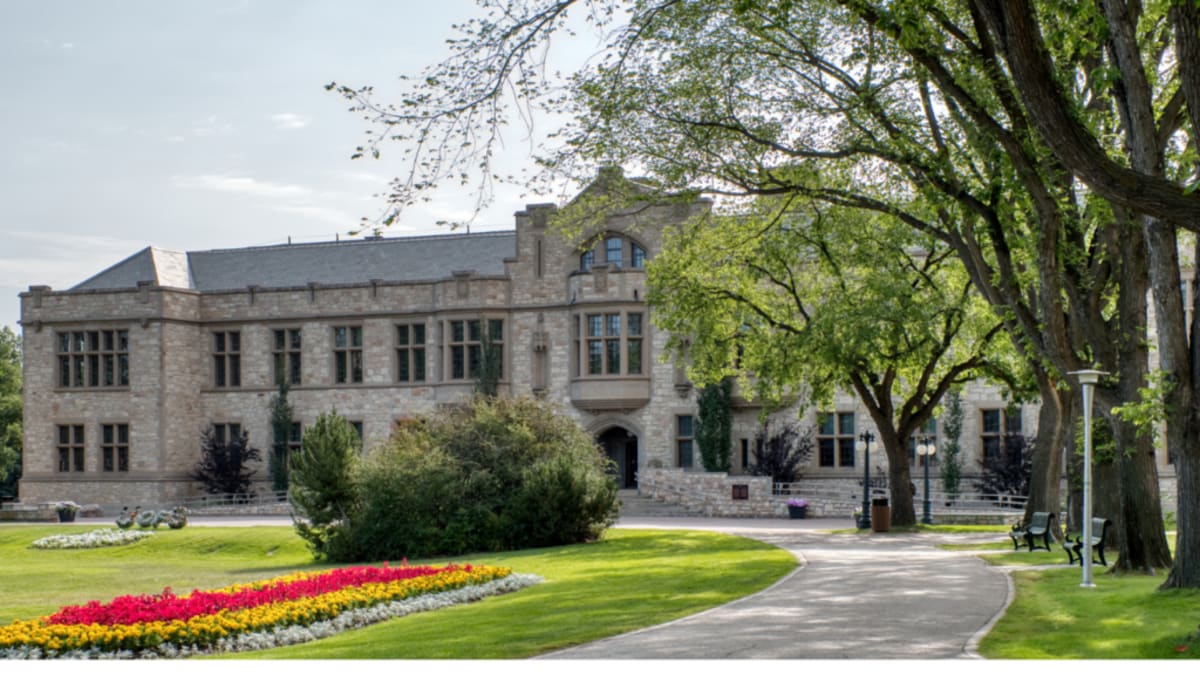
The University of Saskatchewan just landed a groundbreaking $2 million partnership with Brazil to tackle oral health challenges. This five-year collaboration will fund 50 joint research projects between Canadian and Brazilian scientists.
A Canadian dental school just secured an unprecedented international partnership that could transform how we approach oral health worldwide.
The University of Saskatchewan College of Dentistry announced a $2 million research agreement with Brazil's São Paulo Research Foundation (FAPESP). Over the next five years, the partnership will support 50 collaborative studies focused on oral, dental, and craniofacial science.
The deal represents something unusual in academic research. FAPESP typically partners with entire provinces or university systems, not individual colleges. Officials believe this may be the largest agreement of its kind between FAPESP and any Canadian university.
"This unique partnership creates new avenues for international collaboration," said Baljit Singh. "We are excited to work with world-class researchers in São Paulo and collectively develop real-world innovations."
The funding will support 10 research grants each year, starting with the first call for proposals this week. Each project requires a lead researcher from the dental college, at least one collaborator from another USask department, and a principal investigator from a São Paulo institution.
This structure encourages teams to think beyond traditional boundaries. A dentist might work with an engineer, a biologist, and a Brazilian specialist to solve a single problem. That kind of cross-pollination often leads to breakthrough discoveries.
The Ripple Effect
The partnership reaches far beyond the labs in Saskatchewan and São Paulo. Faculty members and students on both continents will gain access to new research networks, equipment, and perspectives they couldn't access alone.
Dean Walter Siqueira said the collaboration positions the college as a leader in international oral health research. The interdisciplinary approach means innovations developed through this partnership could address challenges affecting millions of people worldwide.
Complex health problems rarely respect borders or academic departments. By bringing together diverse expertise from two countries, researchers can tackle questions that might stump any single institution working alone.
The deadline for the first round of research proposals is May 19, 2026, giving teams time to develop strong collaborative projects.
This partnership shows what's possible when institutions invest in global cooperation instead of competition.
Based on reporting by Google News - Brazil Innovation
This story was written by BrightWire based on verified news reports.
Spread the positivity!
Share this good news with someone who needs it


